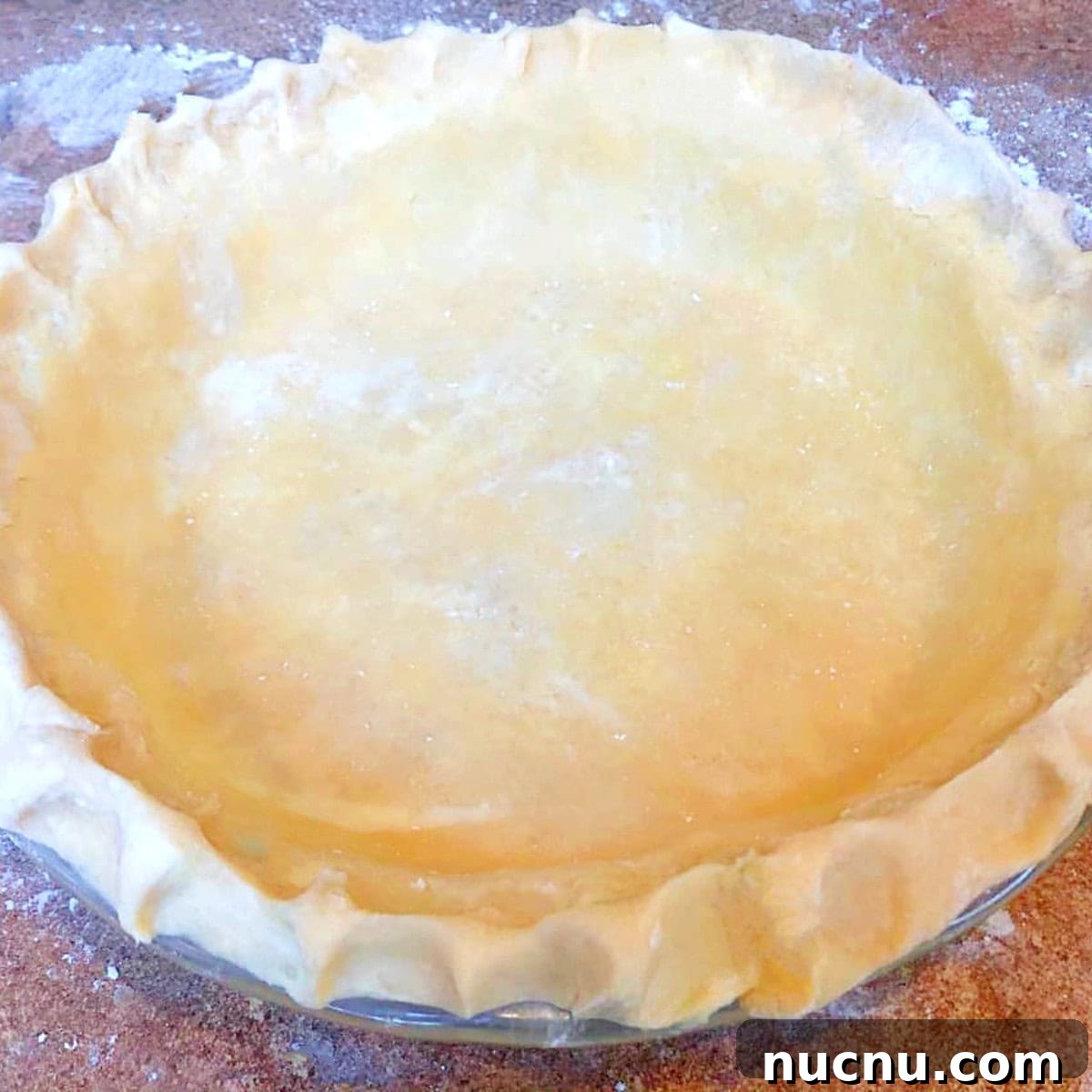
This Easy All-Butter Pie Crust is ideal for beginners or anyone who needs a flaky, reliable crust quickly. It comes together in about 10 minutes of hands-on time and then chills, producing a tender, buttery base for pies, galettes, and savory tarts.
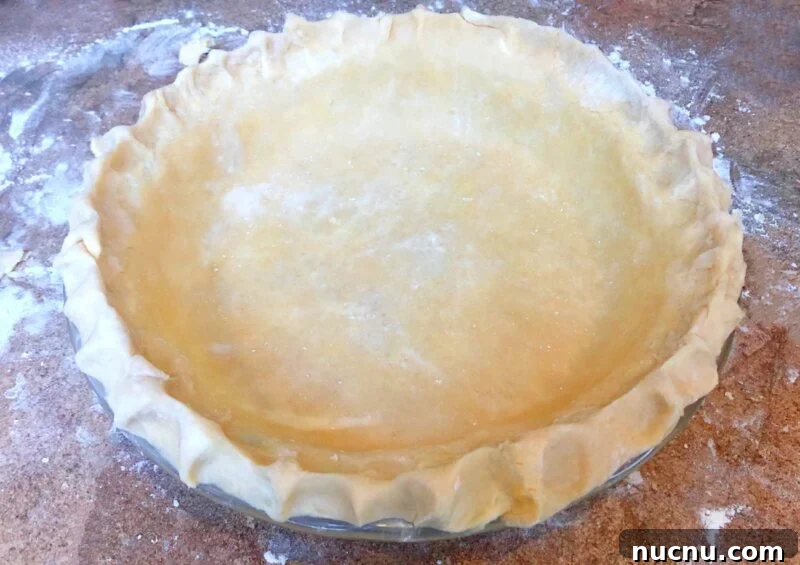
Why I Love This Recipe
This all-butter pie crust is adapted from classic techniques and delivers a consistently flaky crust without a food processor. It’s simple to make, easy to freeze, and works for sweet or savory fillings. Follow the steps below for best results—small details like very cold butter and ice water make the difference.
Ingredients Needed to Make a Basic Pie Crust
- All-purpose flour
- Salt
- Sugar (optional for savory pies)
- Cold unsalted butter (preferably frozen)
- Ice-cold water
How to Make this Easy Pie Crust
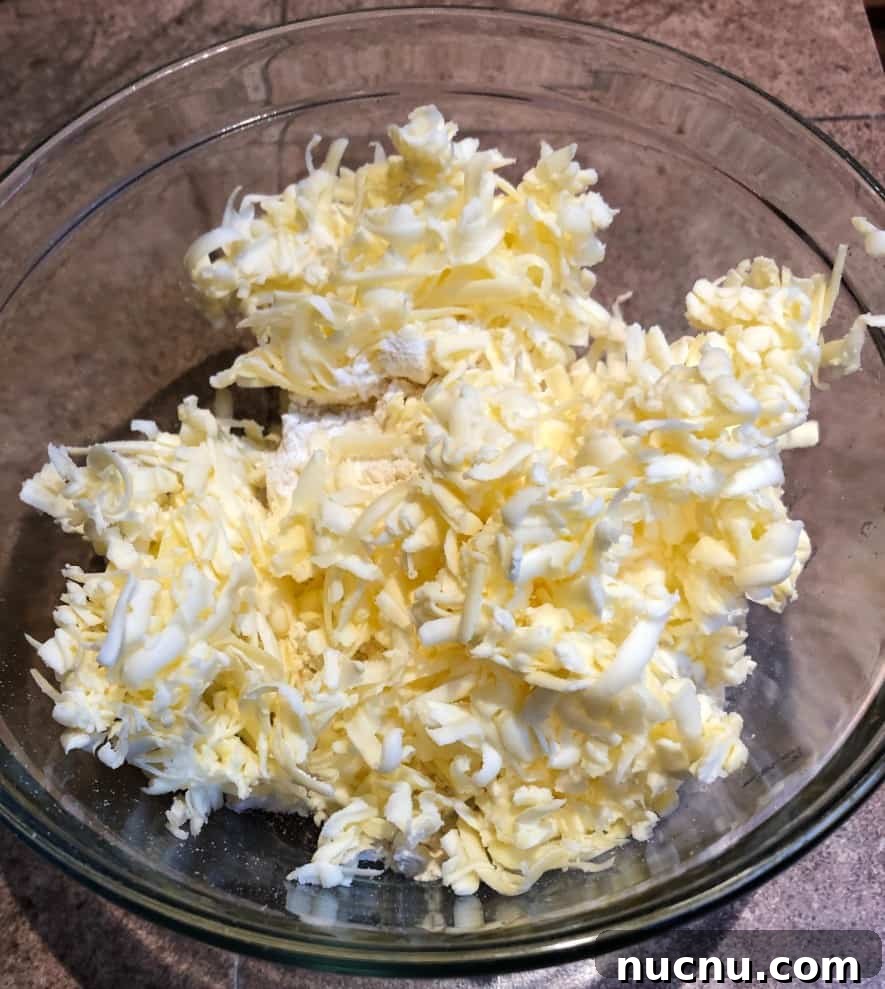
Step 1: Put a glass of water with ice in the fridge so it becomes very cold. Grate or cut the butter into small pieces and keep it chilled until needed.
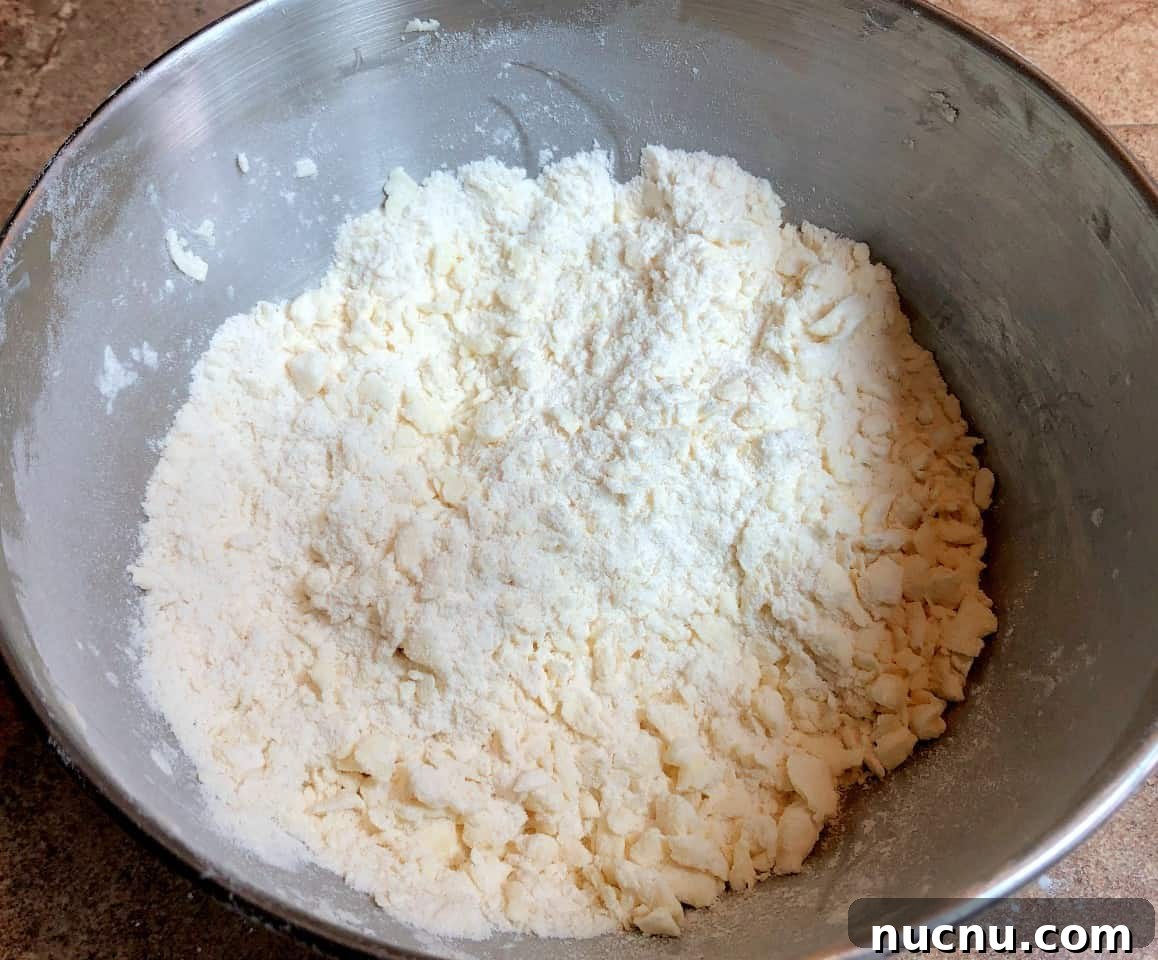
Step 2: Combine the flour, sugar, and salt in a mixing bowl. Add the cold butter and cut it into the dry ingredients using a pastry cutter, fork, or your fingertips. Aim for a coarse, crumbly mixture with some larger butter pieces remaining—those pockets create flakiness.
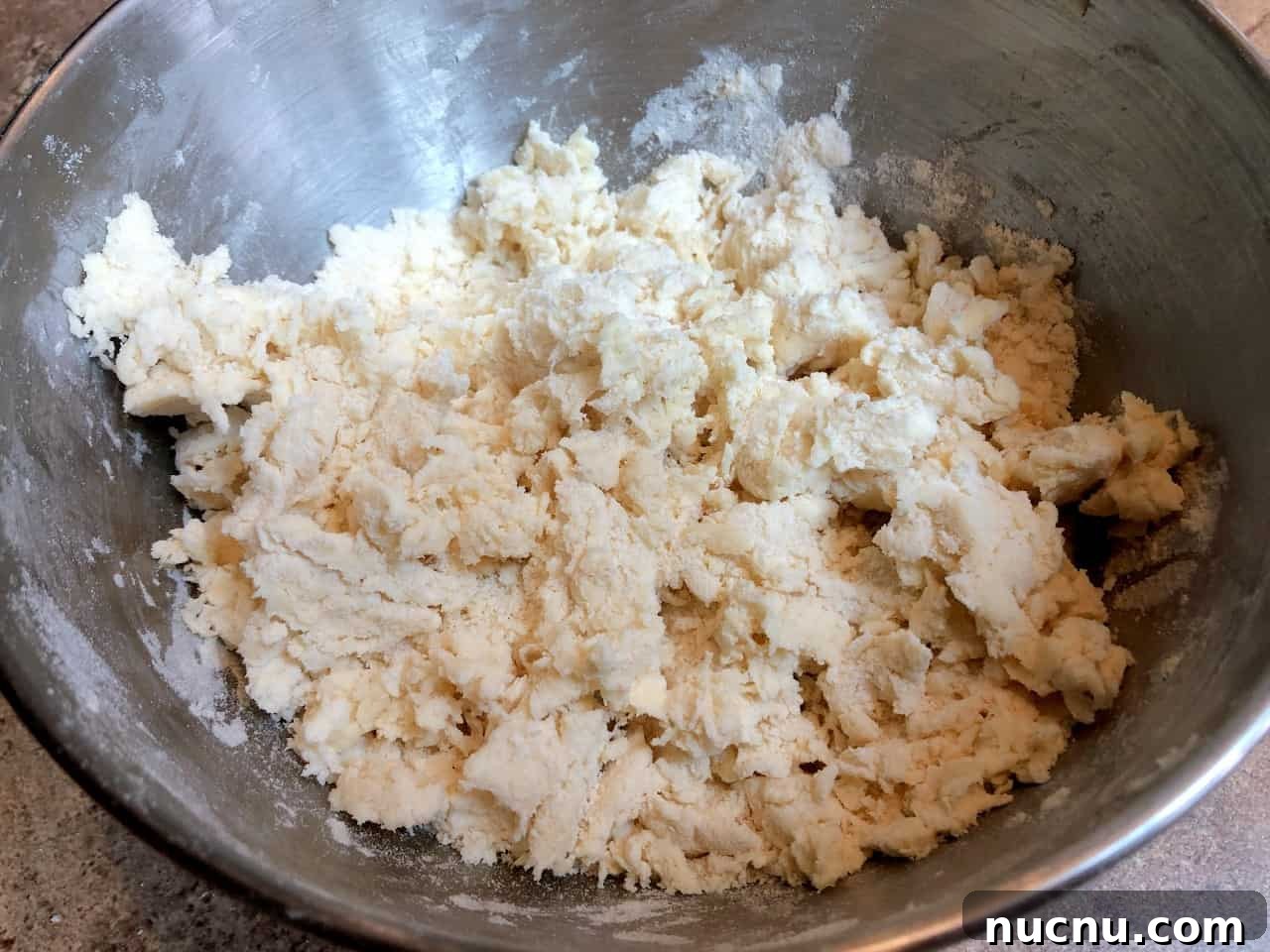
Step 3: Add measured ice-cold water a little at a time and mix gently with a fork or your hands. The dough should come together but remain slightly crumbly; avoid adding too much water.
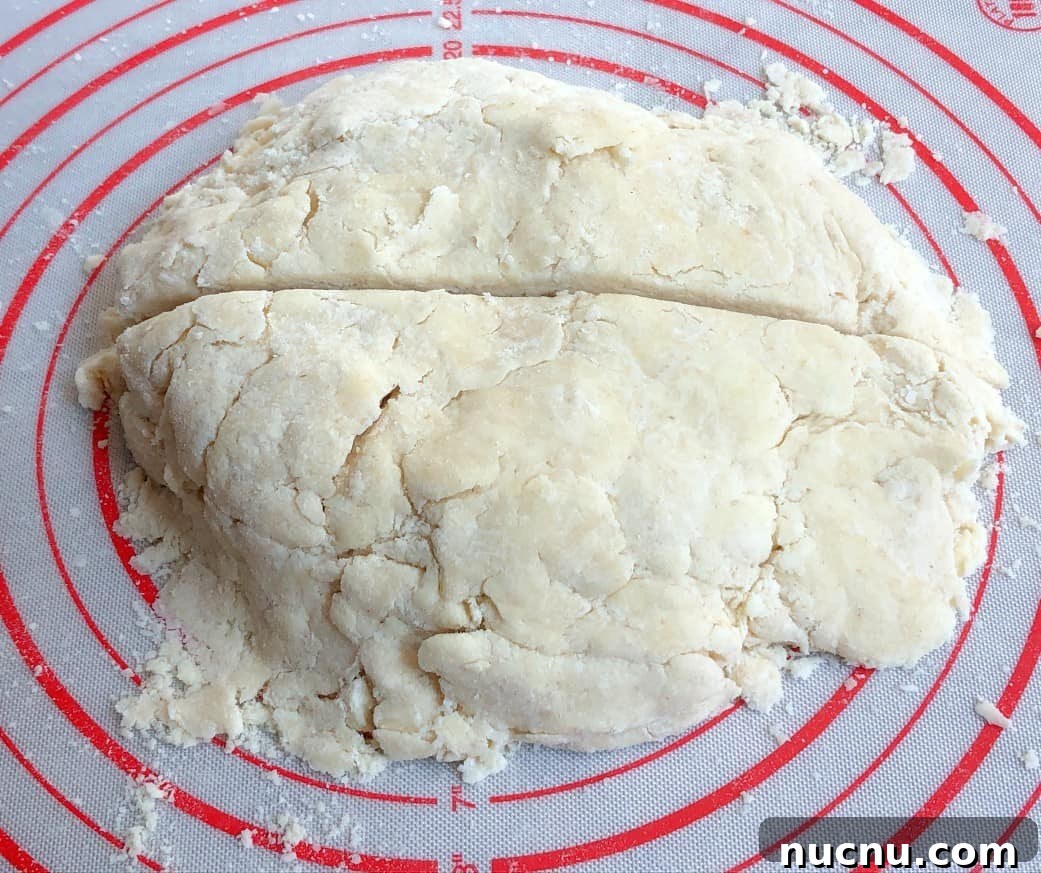
Step 4: Turn the dough onto a lightly floured surface or silicone mat. Divide it into two equal portions and gently form each into a disc. Don’t overwork or press the dough—handle it as little as possible.
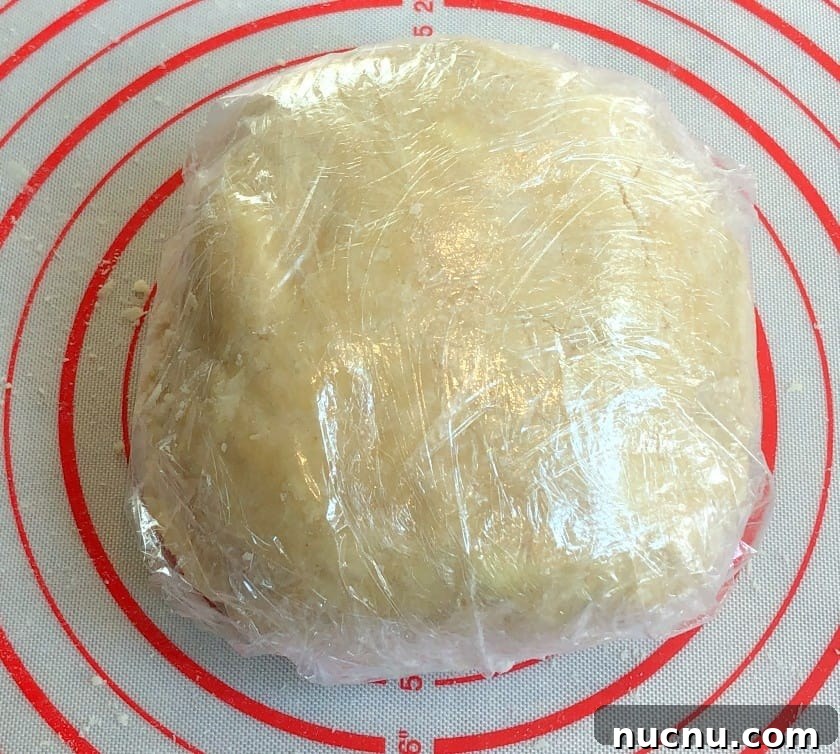
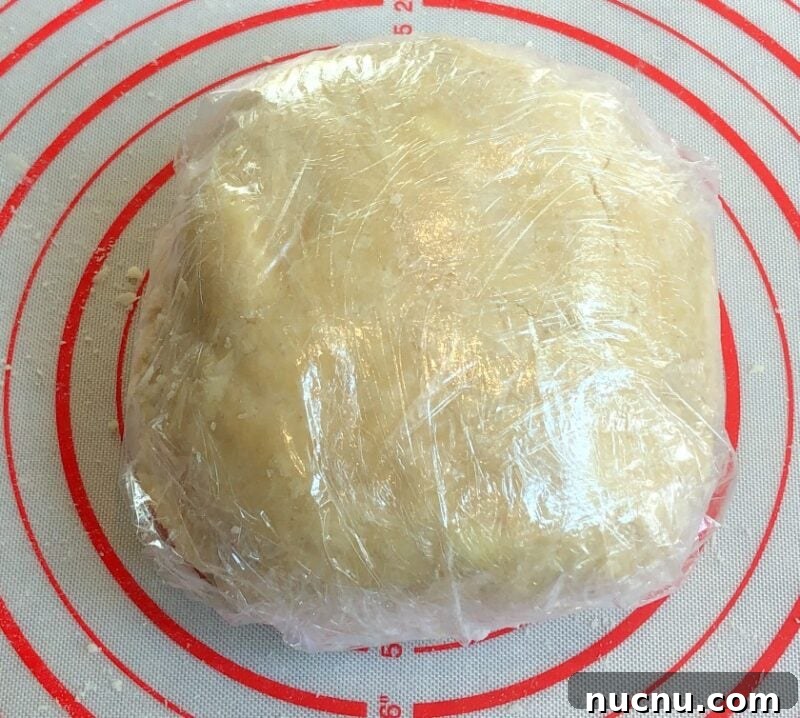
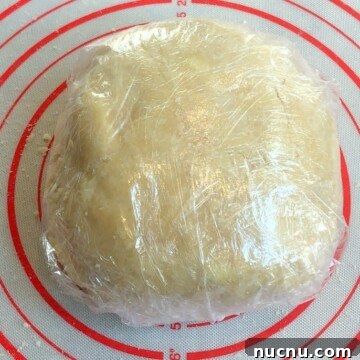
Step 5: Wrap each disc tightly in plastic wrap and chill in the refrigerator for at least one hour. If you only need one crust now, freeze the extra disc in a freezer bag for future use.
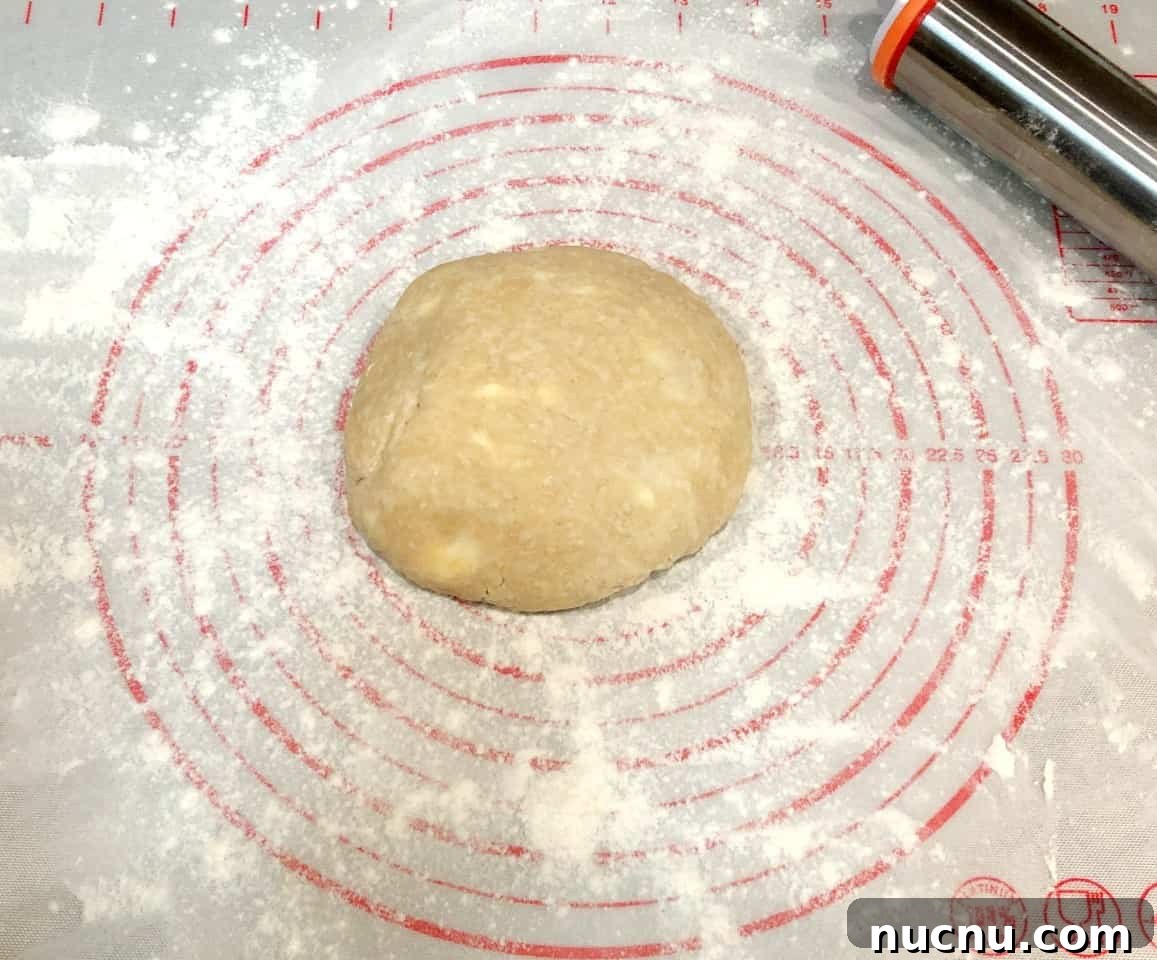
Step 6: When ready to roll, let a chilled disc sit at room temperature for about 10 minutes to soften slightly. Roll it out on a lightly floured surface, rotating and flipping to keep thickness even. Rest the rolled crust 5–10 minutes before shaping and refrigerate until ready to bake.
Expert Tips for Making the Best Pie Crust Ever
- Freeze the butter first. Grating frozen butter creates small, uniform pieces that are easy to cut into the flour and improve texture.
- Always use ice-cold water. Cold water keeps the butter from softening while you mix, which helps produce flaky layers when baked.
- If mixing by hand, rinse your hands in cold water before starting to help keep the butter cold.
- If the butter begins to warm, chill the bowl in the refrigerator for 5–10 minutes and continue once everything is cold again.
- Avoid overworking the dough. Too much handling develops gluten and makes the crust tough and prone to shrinking during baking.
- For savory pies, omit the sugar from the recipe.
How To Bake a Pie Crust
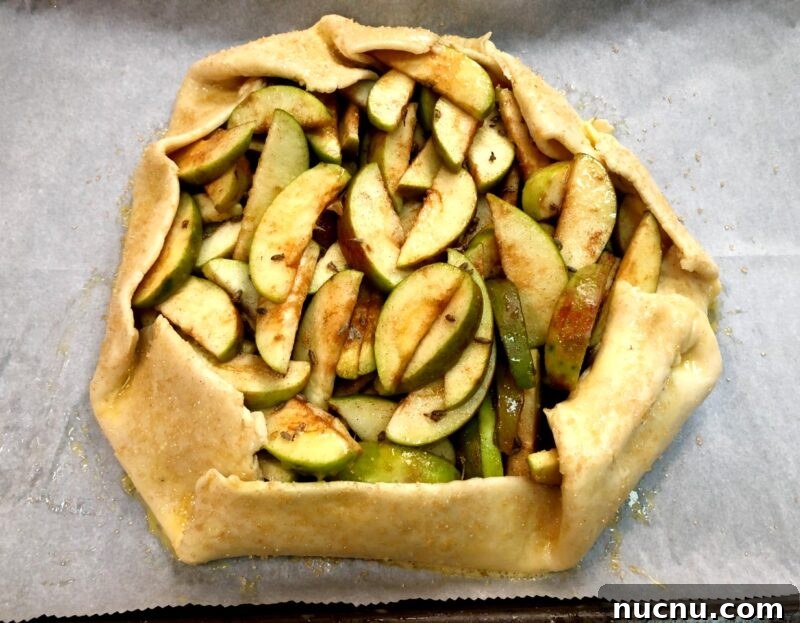
Bake according to your filling’s instructions. Some pies bake the crust and filling together, like chicken pot pie or galettes. Other recipes require blind baking—pre-baking the crust before adding fillings such as cream pies or some fruit pies.
When blind baking, use pie weights or a trusted substitute to prevent the crust from puffing or shrinking. Docking (pricking the bottom with a fork) helps steam escape.
How to Blind-Bake a Pie Crust
Chill the crust for at least 4 hours, or freeze for 30–60 minutes, before blind baking. Preheat the oven to 425°F. Dock the bottom with a fork, line with parchment, and add pie weights. Bake for 15 minutes, then carefully remove the weights and parchment.
For a fully baked crust, return it to the oven for 10–15 more minutes until golden. For a partially baked crust, bake until the bottom just begins to brown (about 7–8 minutes). If your pie is no-bake, let the crust cool completely before adding the filling; if it will be baked again, you can fill while the crust is still warm.
What are Pie Weights?
Pie weights—typically ceramic or metal beads—sit on top of the crust during blind baking to keep it flat and prevent air pockets. They ensure the crust holds its shape while baking.
Pie Weight Alternatives
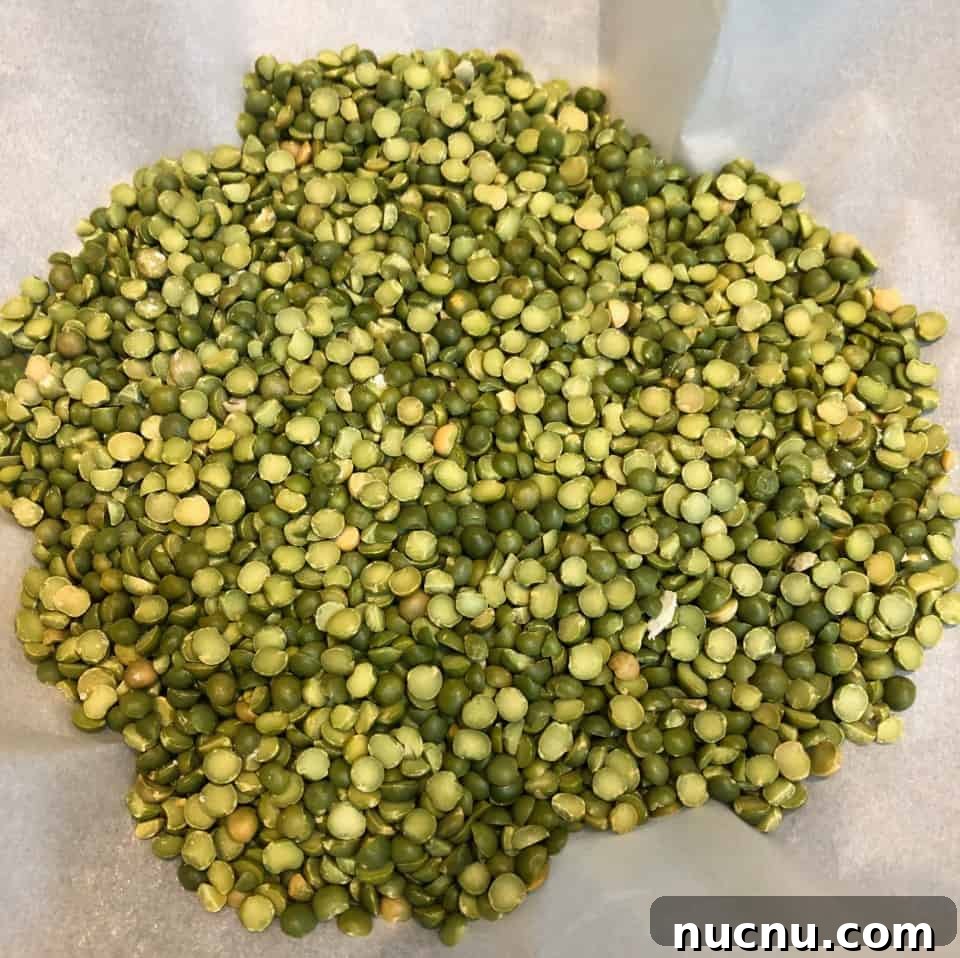
If you don’t have pie weights, use a substitute you likely already have: uncooked beans (not for eating afterward), rice, or sugar. Place them on top of parchment before baking to protect the crust.
Recipes That Use a Pie Crust
- Chocolate Walnut Pie
- Apple Lavender Galette
- Lemon Cranberry Meringue Pie
- Chicken Pot Pie
- Fresh Mango Galette
If you make this Easy Pie Crust, share a photo or leave a review—I’d love to see your results!
Easy Pie Crust Recipe by Hand
Equipment
- Medium mixing bowl
- Cheese grater (optional)
- Pastry cutter or fork
- Plastic wrap
Ingredients
- 2½ cups all-purpose flour
- 1½ teaspoons kosher salt
- 1 tablespoon sugar (optional)
- 1 cup unsalted butter, frozen (2 sticks)
- 8 tablespoons ice cold water
Instructions
- Prepare a cup of ice water so it’s very cold. Grate or cut the frozen butter into small pieces and keep it chilled until ready to use.
- Stir together the flour, sugar (if using), and salt. Add the cold butter and cut it into the flour with a pastry cutter, fork, or your fingertips until the mixture resembles coarse crumbs with some pea-sized butter pieces.
- Add the ice-cold water a tablespoon at a time and mix gently until the dough holds together but remains slightly crumbly.
- Turn the dough onto a lightly floured surface and form into two equal discs with minimal handling.
- Wrap tightly in plastic and refrigerate for at least an hour. Freeze extras for later.
- When ready to use, let the disc sit 10 minutes at room temperature, then roll out on a lightly floured surface. Rest the rolled crust 5–10 minutes before shaping and chill until ready to bake.
Video
Notes
- Freeze the butter and grate it for easy, consistent pieces.
- Use ice-cold water to keep the butter from melting during mixing.
- Keep your hands and tools cool; if the butter softens, chill the bowl briefly.
- Handle the dough as little as possible to retain flakiness and prevent shrinkage.
- Omit sugar for savory pies like chicken pot pie.
Nutrition
Nutrition values are estimates. Verify with your own calculations if needed.