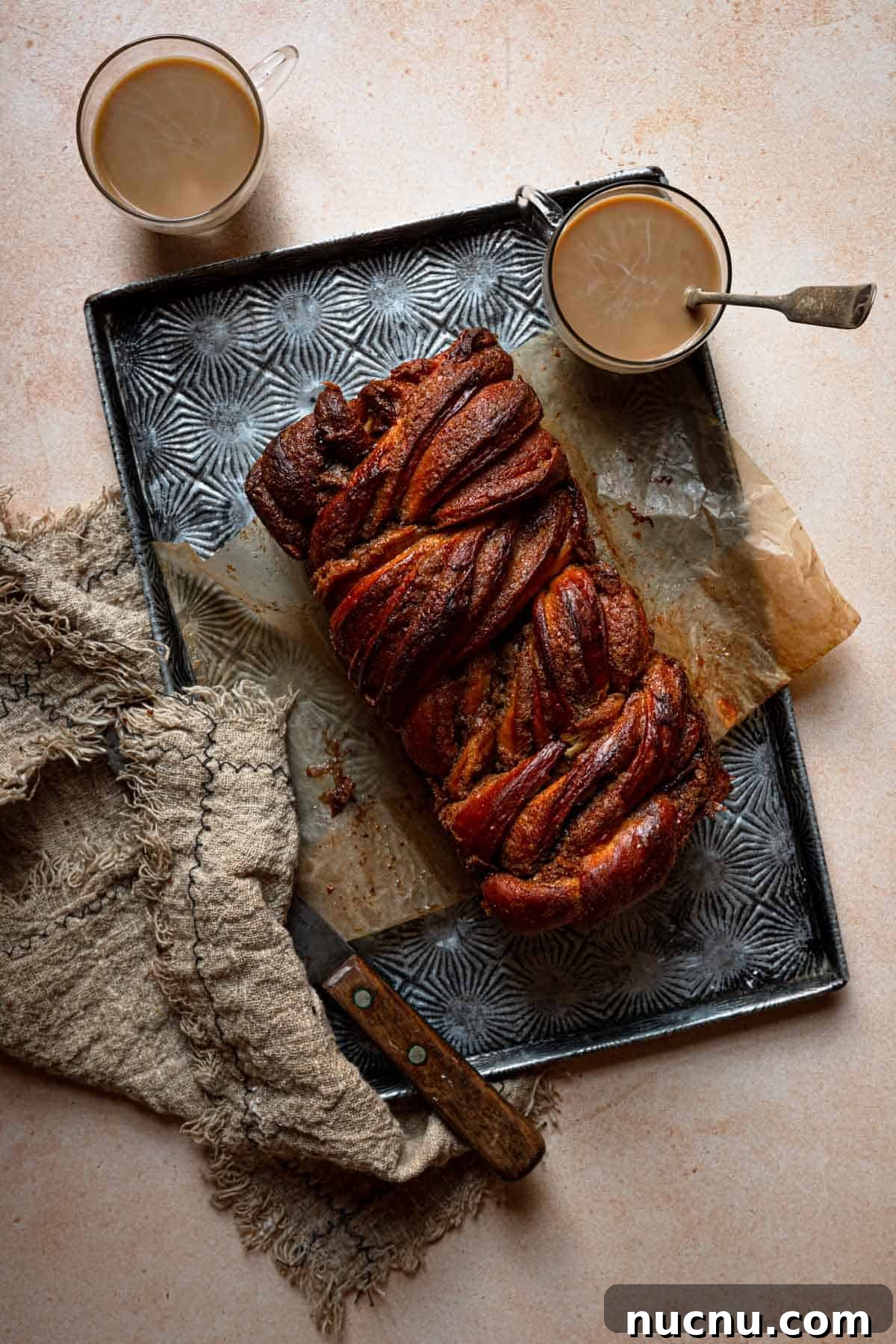
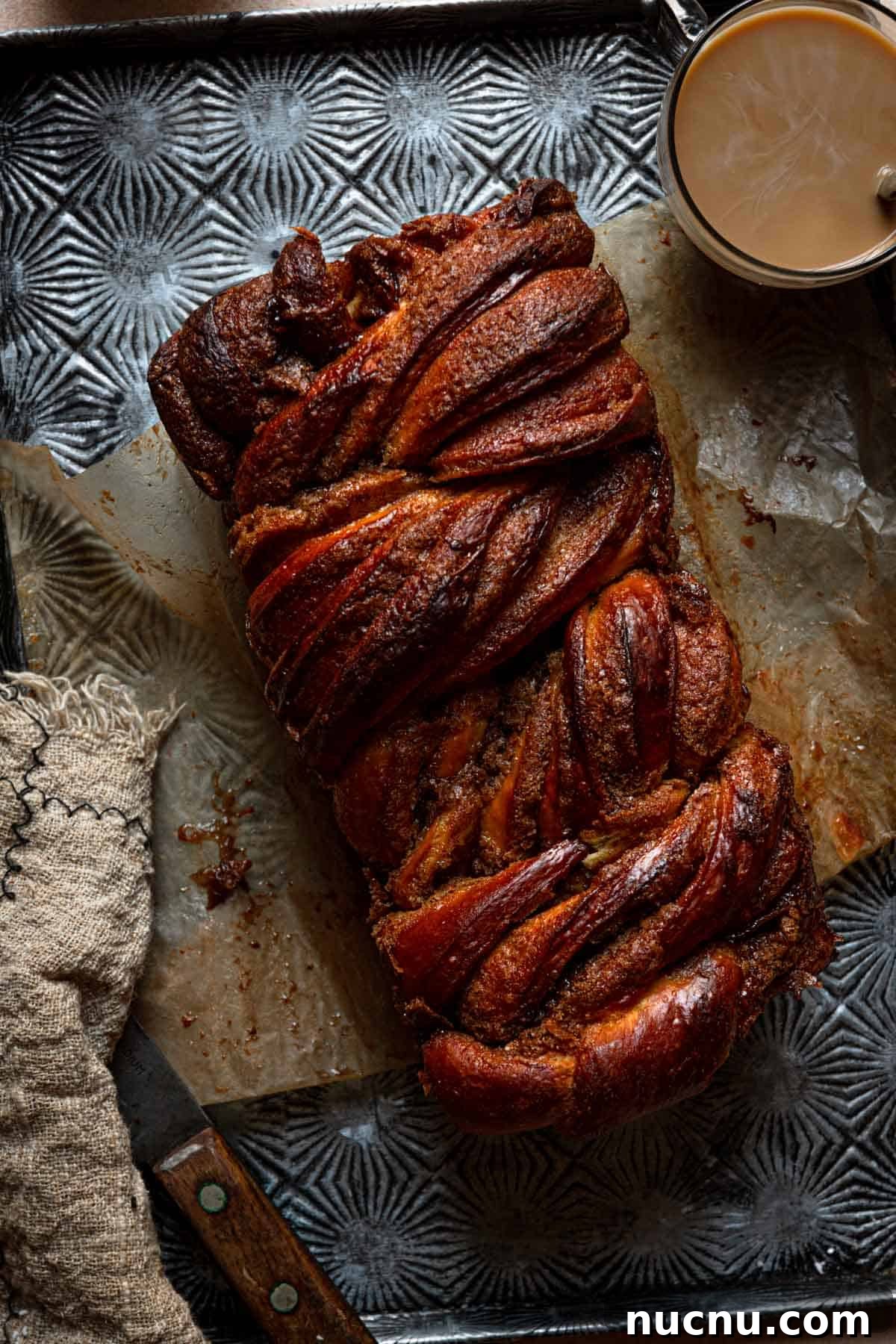
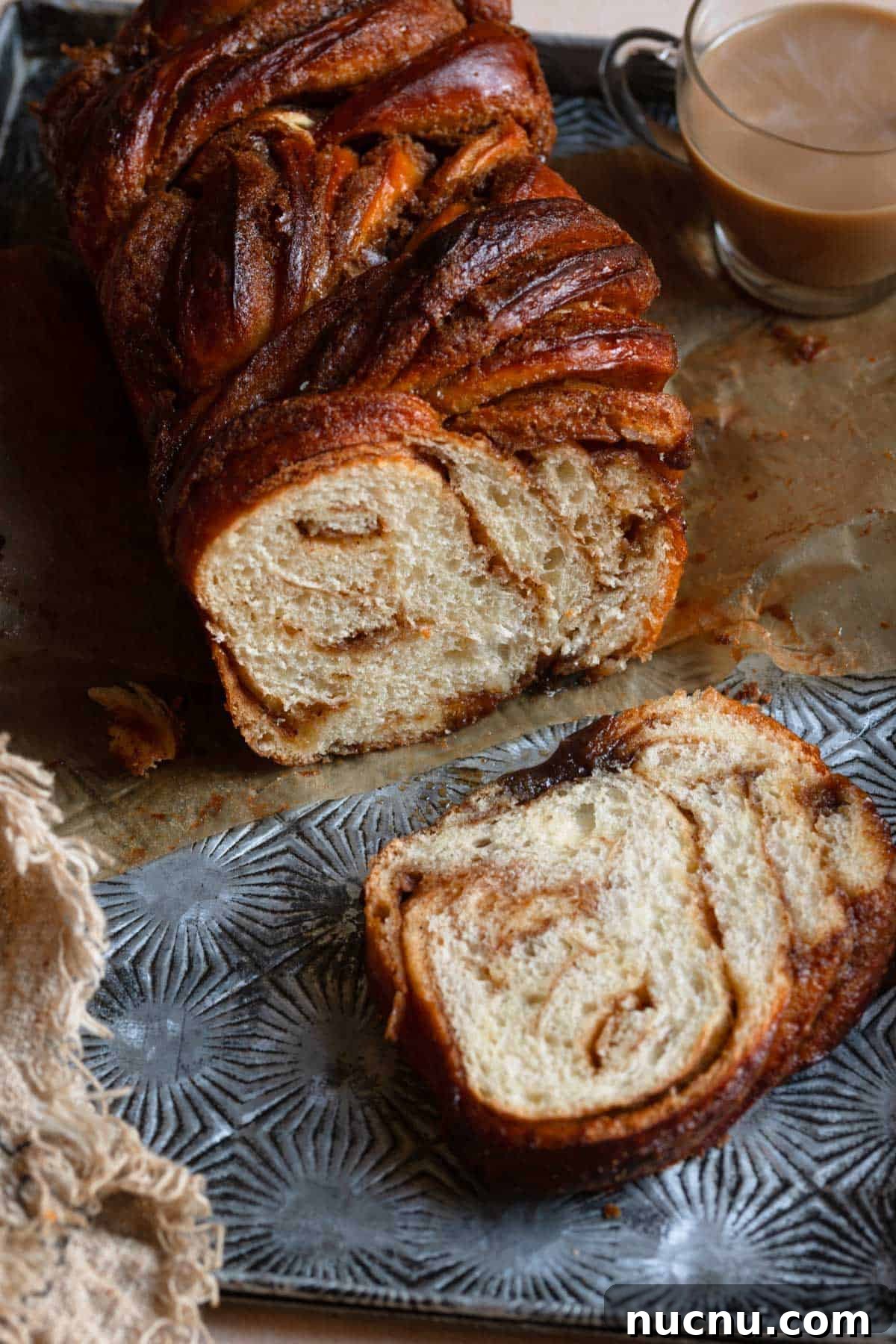
Cinnamon babka is a soft, buttery yeast bread swirled with a warm cinnamon sugar filling. It has a tender, fluffy crumb and caramelized edges—perfect with coffee, as part of a brunch spread, or toasted with a pat of butter. Cozy, fragrant, and nostalgic, it’s hard to resist.
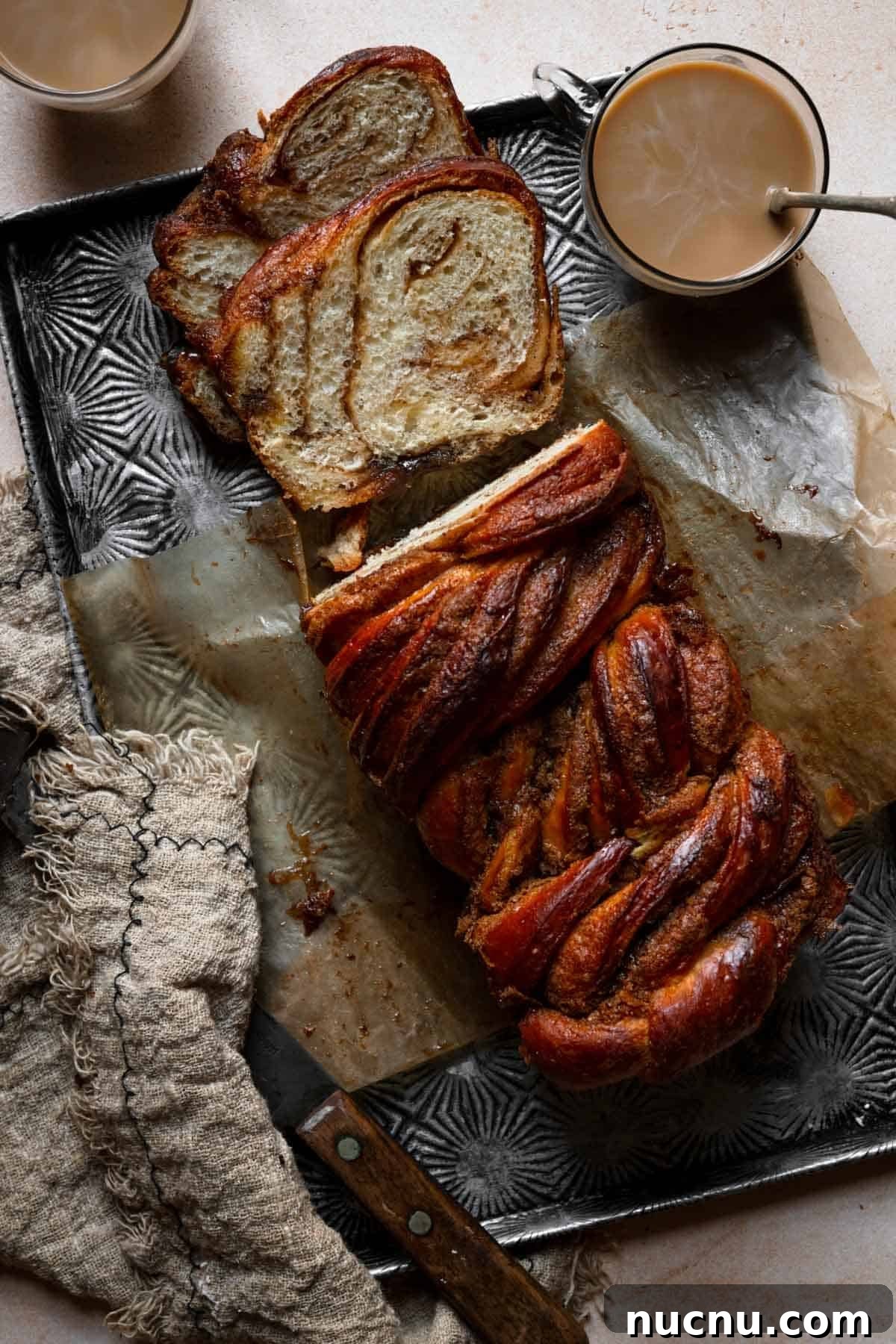
Cinnamon babka likely evolved from enriched challah dough filled with cinnamon and sugar, shaped into a twisted loaf and baked until golden. What began as a way to use leftover bread dough is now a beloved sweet bread that celebrates rich butter, eggs, and a spiced cinnamon ribbon.
This version focuses on keeping the crumb soft and moist, avoiding dry or chewy results. Below are the tested techniques and practical tips to help you achieve a fluffy, tender babka every time.
In short: make a well-enriched dough, use a stable yet spreadable filling, chill when needed for easier shaping, and bake to the right internal temperature. Small details make a big difference.
Making This Recipe
Homemade babka comes together in three main stages: dough, filling and shaping, then baking. Each step matters—paying attention to ingredient temperatures, dough texture, and proofing times will give you the best results.
Step one: Make the Dough
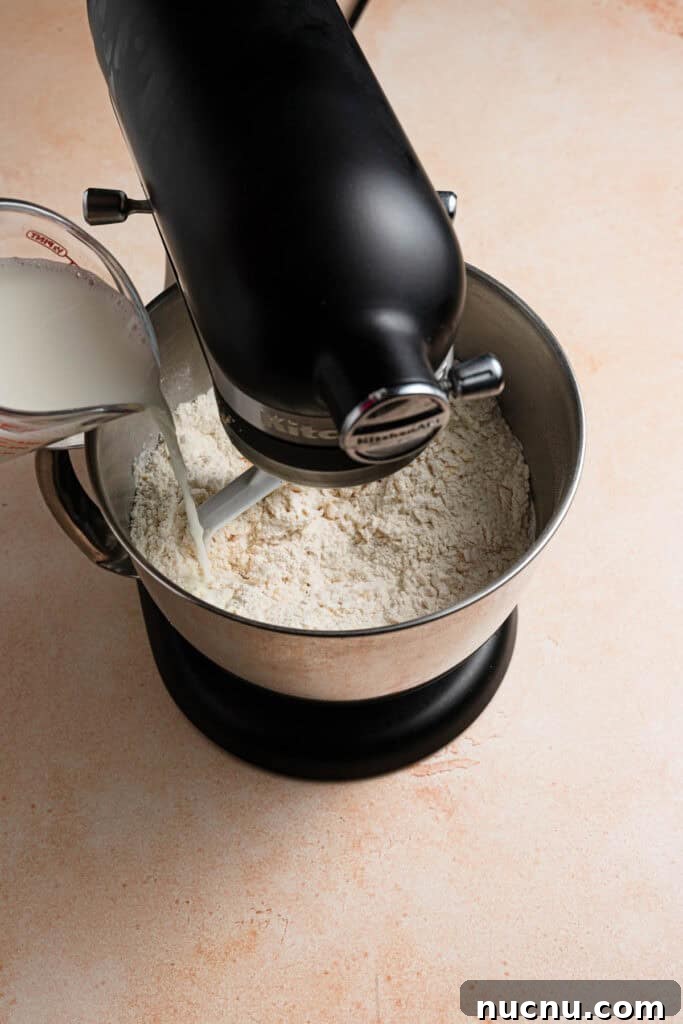
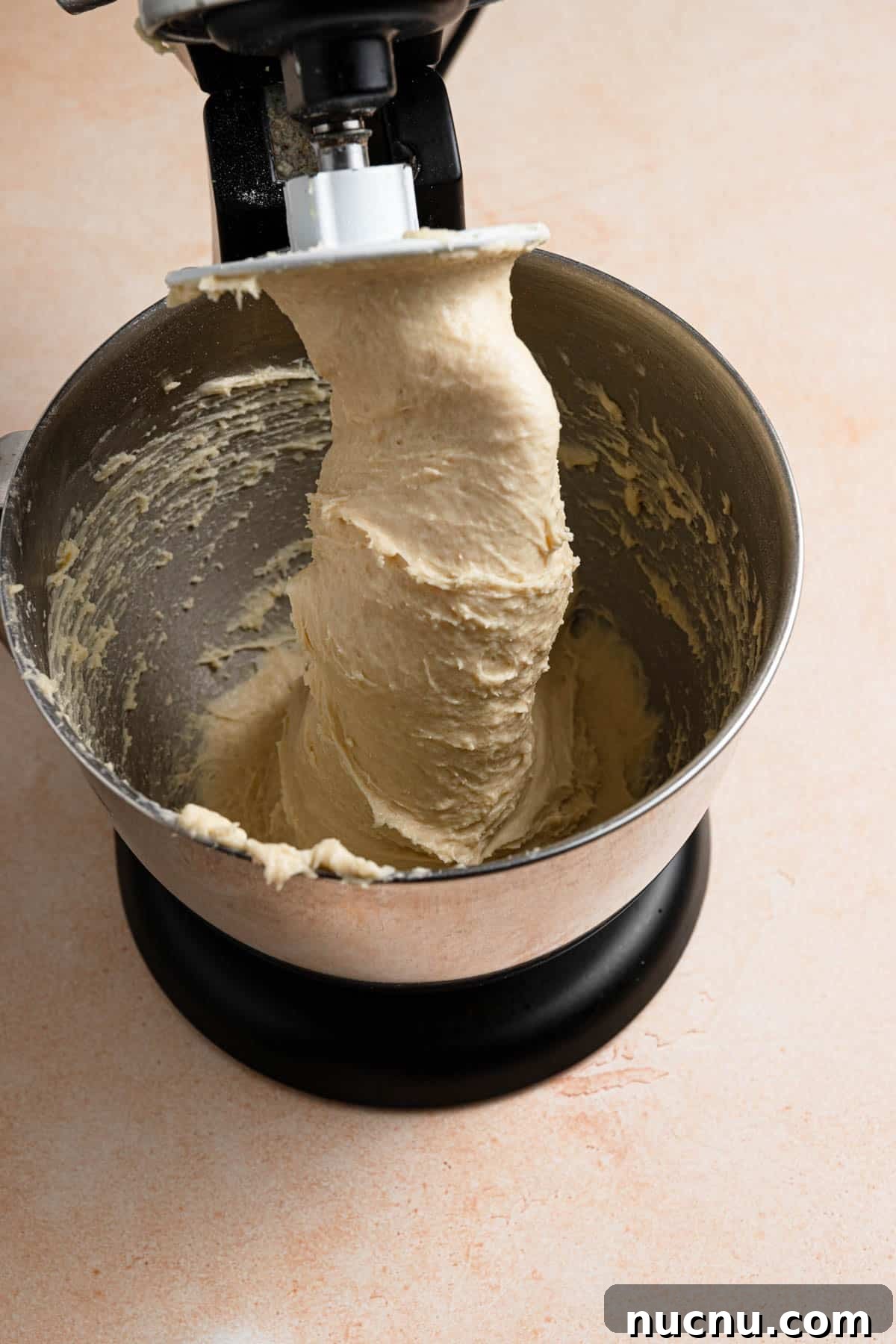
This recipe uses an enriched dough with butter and eggs that’s designed to be straightforward without long proofing. Key points:
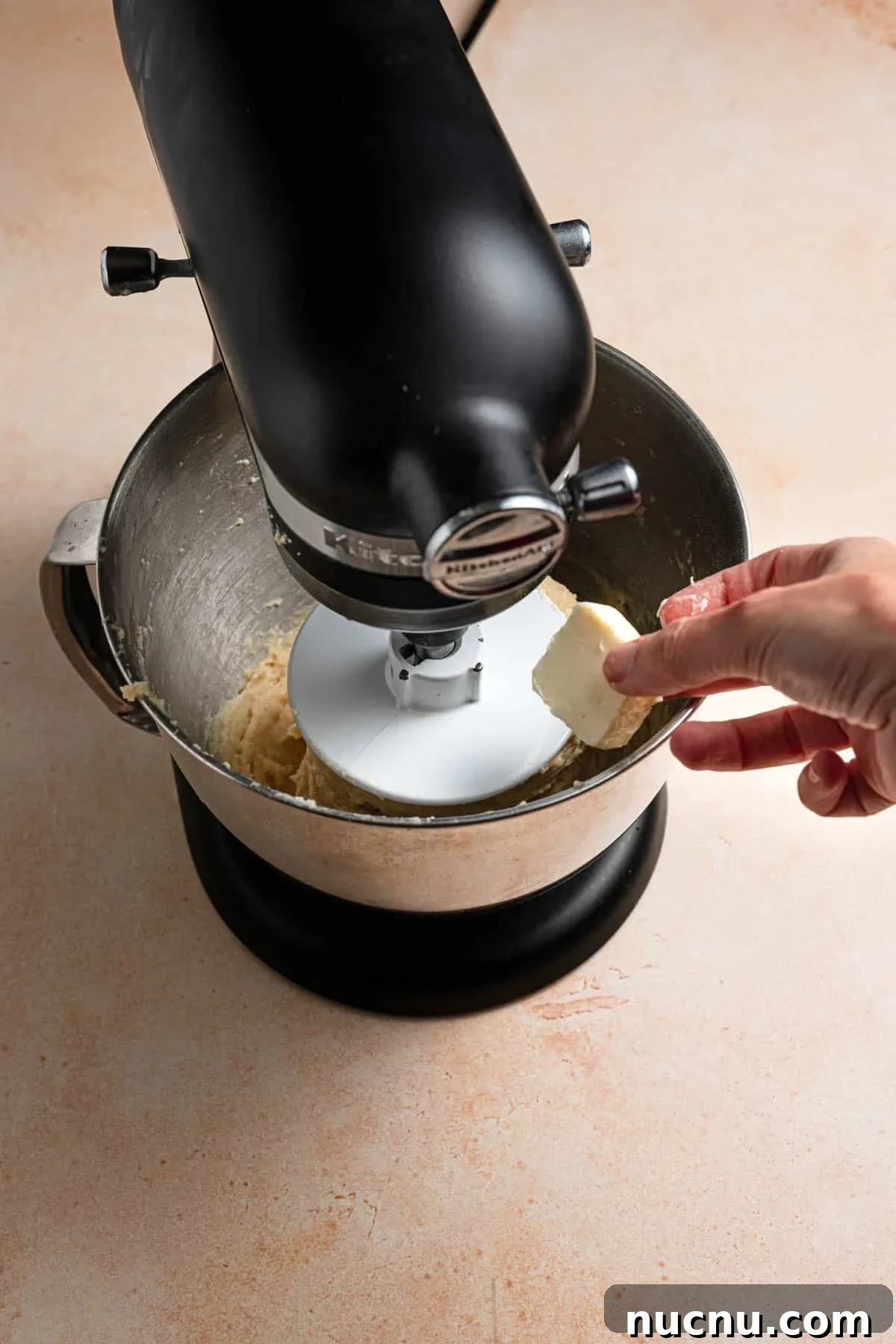
- Ingredient temperature: Use room-temperature eggs and butter so they incorporate smoothly. Cold ingredients can make the dough tight and slow to proof.
- Milk temperature: Lukewarm milk (about 90–100°F / 32–38°C) wakes the yeast without stressing it.
- Don’t overmix: Mix until the dough is soft, elastic, and slightly tacky. Times vary with mixer strength and environment—watch the dough, not a clock.
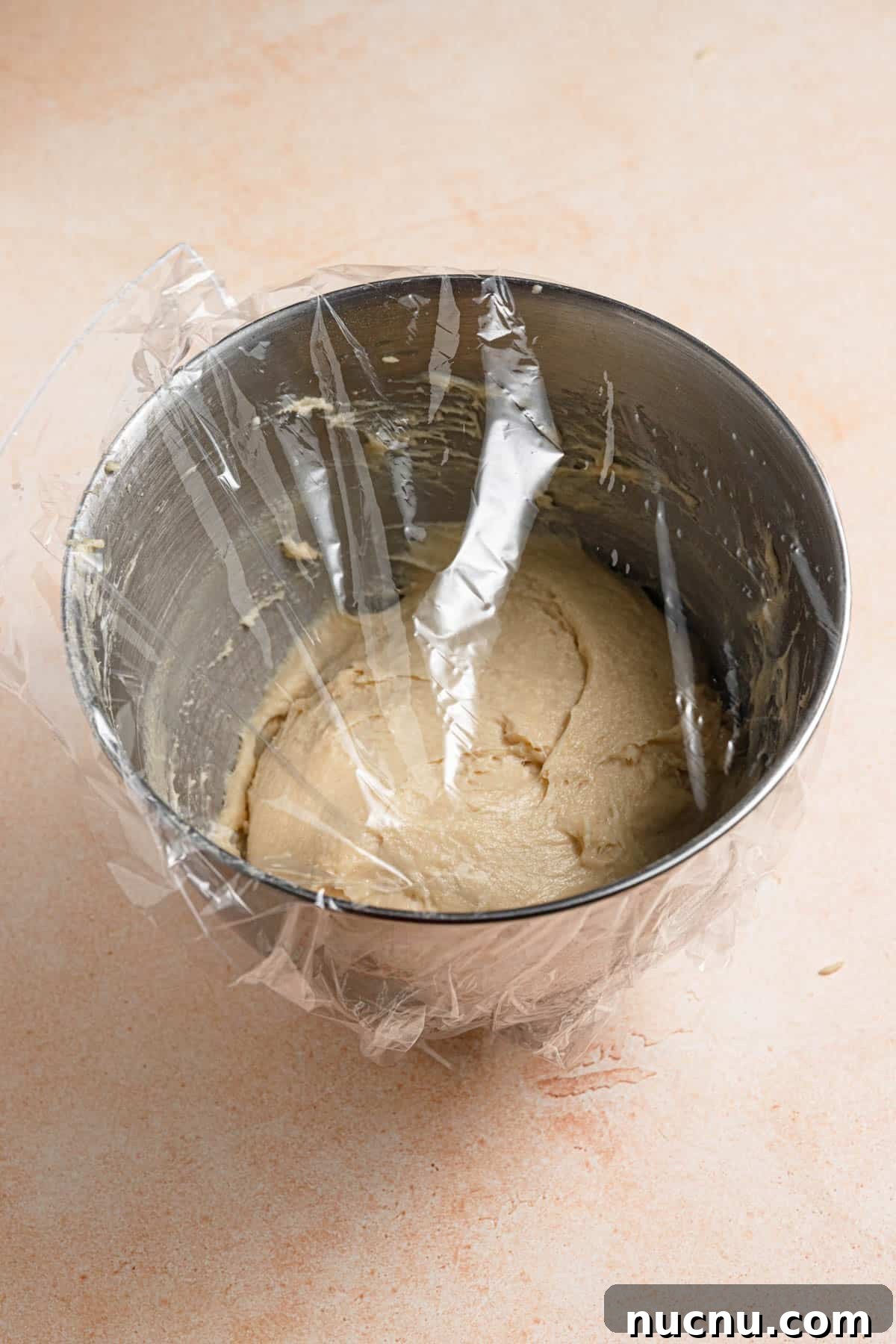
- Proofing: Let the dough rise in a warm spot but avoid over-proofing, which can produce a sour flavor. For overnight plans, see the recipe notes below.
Filling and Shaping
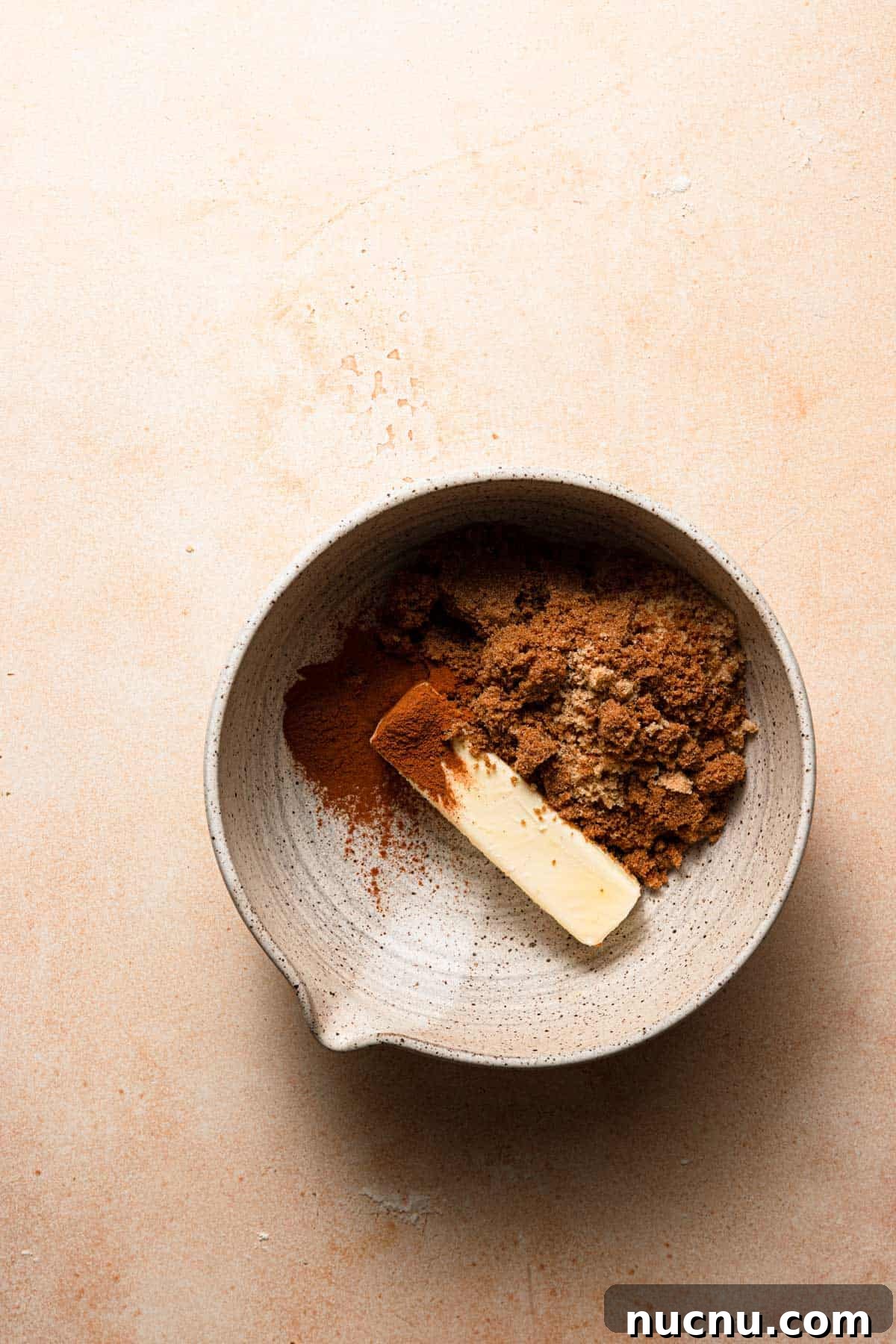
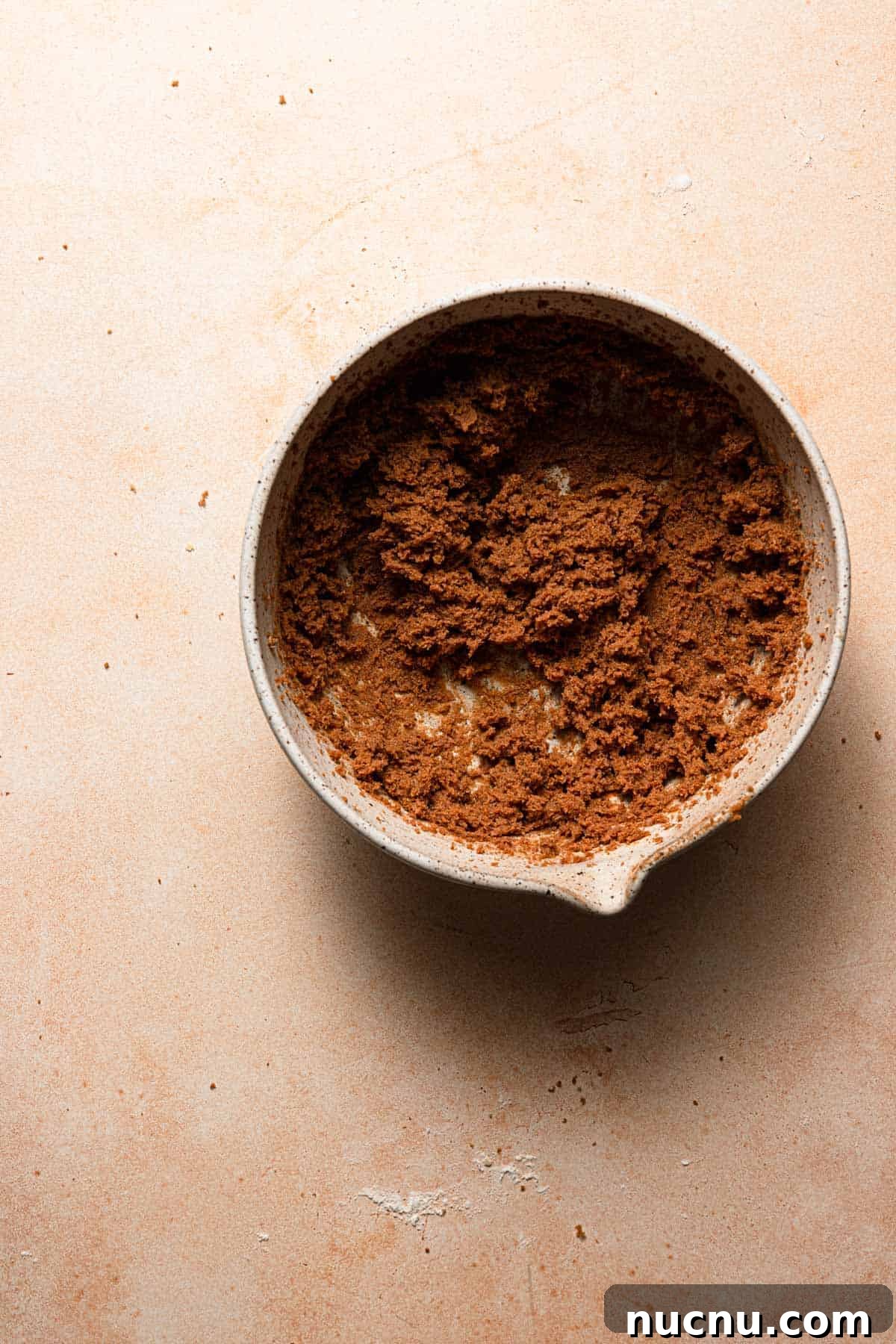
- The filling combines butter and sugars with cinnamon. Replacing a bit of brown sugar with powdered sugar helps thicken the filling because powdered sugar contains a bit of cornstarch, which reduces leaking during baking.
- Chill the dough for 45–60 minutes before shaping. Cold dough rolls and cuts more cleanly and resists springback.
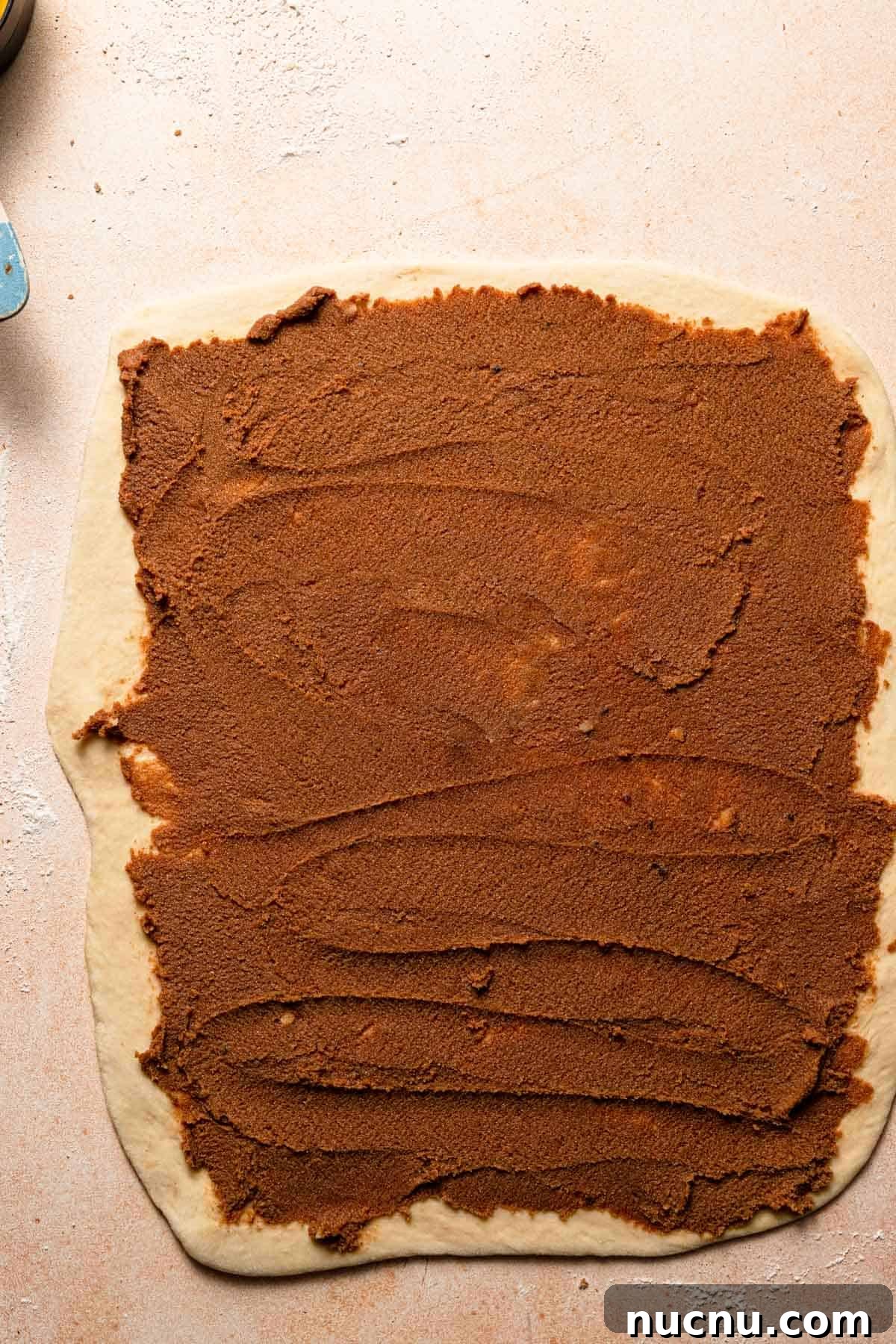
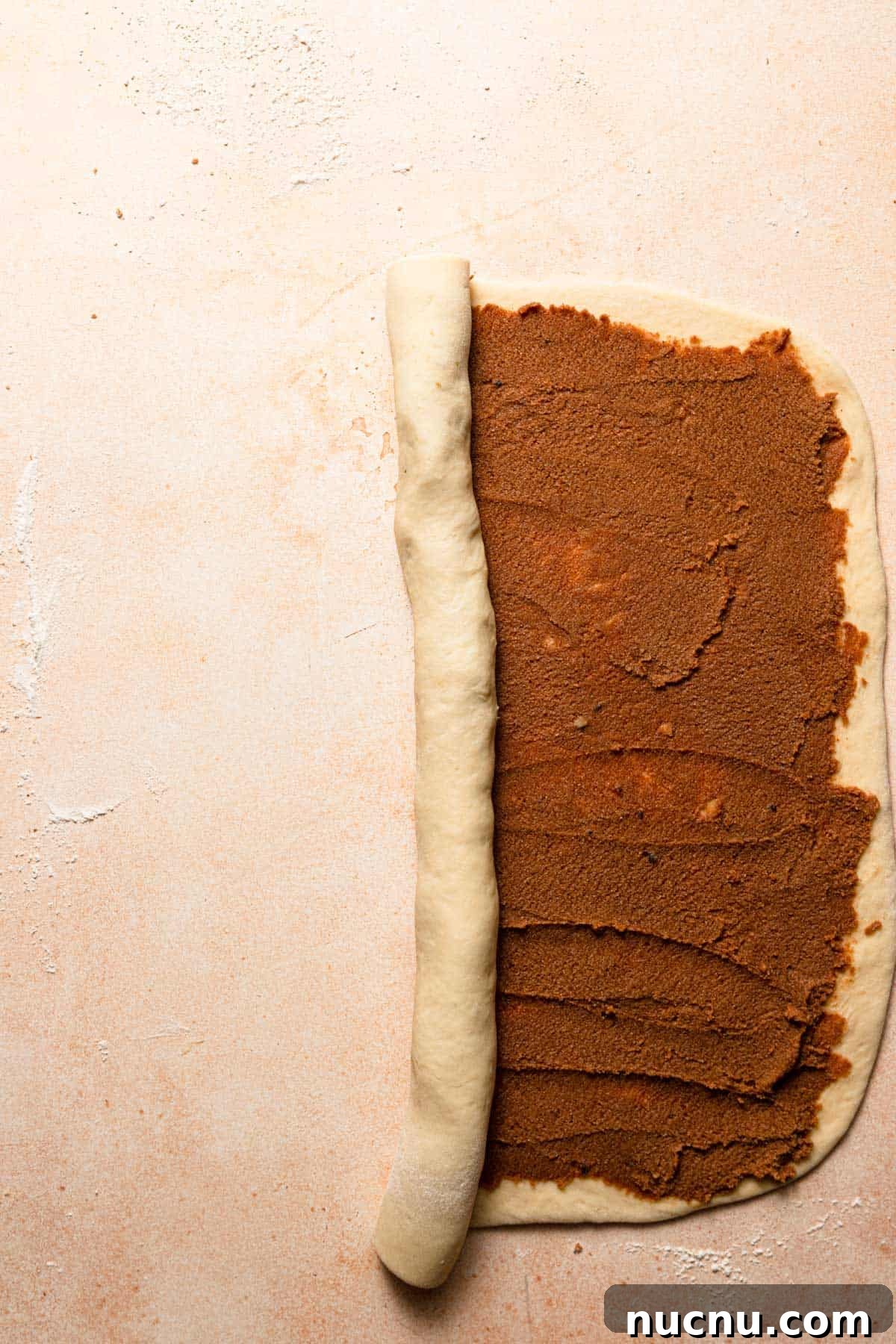
- This recipe can make two or three loaves depending on how you divide the dough. For a standard 8- or 9-inch loaf pan, roll each portion to about 12×16 inches (or 15 inches wide for more swirls) and roll from the long side for the best spiral.
Baking
Bake until the internal temperature reaches about 190°F (88°C). If you don’t have a thermometer, a long skewer inserted into the center should come out without wet, raw dough attached.
Underbaked: The center will be raw and the loaf may collapse as it cools.
Overbaked: The crumb becomes dry and the babka tastes stale.
- Soaking the warm loaves with simple syrup is optional but recommended for extra sweetness, shine, and moistness.
- Make the syrup ahead and refrigerate. Brush it over the loaves as soon as they come out of the oven for best absorption.
Yields and Pan Options
For thinner layers and more swirls, divide the dough into three portions. For a denser, carb-forward loaf, divide into two. Use 8- or 9-inch loaf pans depending on how many loaves you want to bake.
Store, Make Ahead, and Freeze
- Store: Keep babka covered at room temperature for up to 5 days.
- Make Ahead: To prepare dough the night before, reduce the yeast slightly (about 1 1/2 teaspoons), let rise one hour at room temperature, then refrigerate overnight. Shape when ready.
- Freeze: Wrap baked babka tightly in plastic wrap and place in a freezer bag. Freeze up to 2 months. Thaw at room temperature and refresh in a 300°F oven for 10–15 minutes if desired.
Cinnamon Babka | Better than Seinfeld’s!
Ingredients
For The Babka Dough
- 1 Recipe Babka dough (preferably chilled)
- 1 Large egg (for egg wash)
For The Cinnamon Filling
- 3/4 Cup (180g) unsalted butter, room temperature
- 1 Cup (200g) dark brown sugar
- 1/4 Cup (30g) powdered sugar
- 2 1/2 teaspoons ground cinnamon
Optional Toppings (over the filling)
- 1 Cup chopped nuts (walnuts or pecans), or raisins or chocolate chips
For The Syrup
- 1 Cup (240ml) water
- 1 Cup (200g) sugar
Instructions
Make The Dough
- First rise: 90–120 minutes at room temperature. I recommend chilling the dough 30–60 minutes after the first rise to make shaping easier.
- To make dough the night before: reduce yeast to 1 1/2 teaspoons, let rise 1 hour at room temperature, then refrigerate overnight. Shape when ready.
Make The Filling
- Place butter, brown sugar, powdered sugar, and cinnamon in a bowl.
- Mix with a hand mixer, wooden spoon, or whisk until smooth and spreadable.
Shape The Babka
- Grease and line two 8- or 9-inch loaf pans with parchment paper.
- Divide dough into two equal parts (about 480g each). Refrigerate one portion while shaping the other.
- Lightly flour your work surface and rolling pin. Roll a portion into a 12×16-inch rectangle, turning the dough 90° every few strokes and dusting with flour if needed.
- Spread half the cinnamon filling over the rectangle and sprinkle optional nuts or chocolate chips if using.
- Roll the rectangle into a log starting from the long side. If the dough becomes too soft, chill the log on a parchment-lined pan for 20–30 minutes for easier slicing.
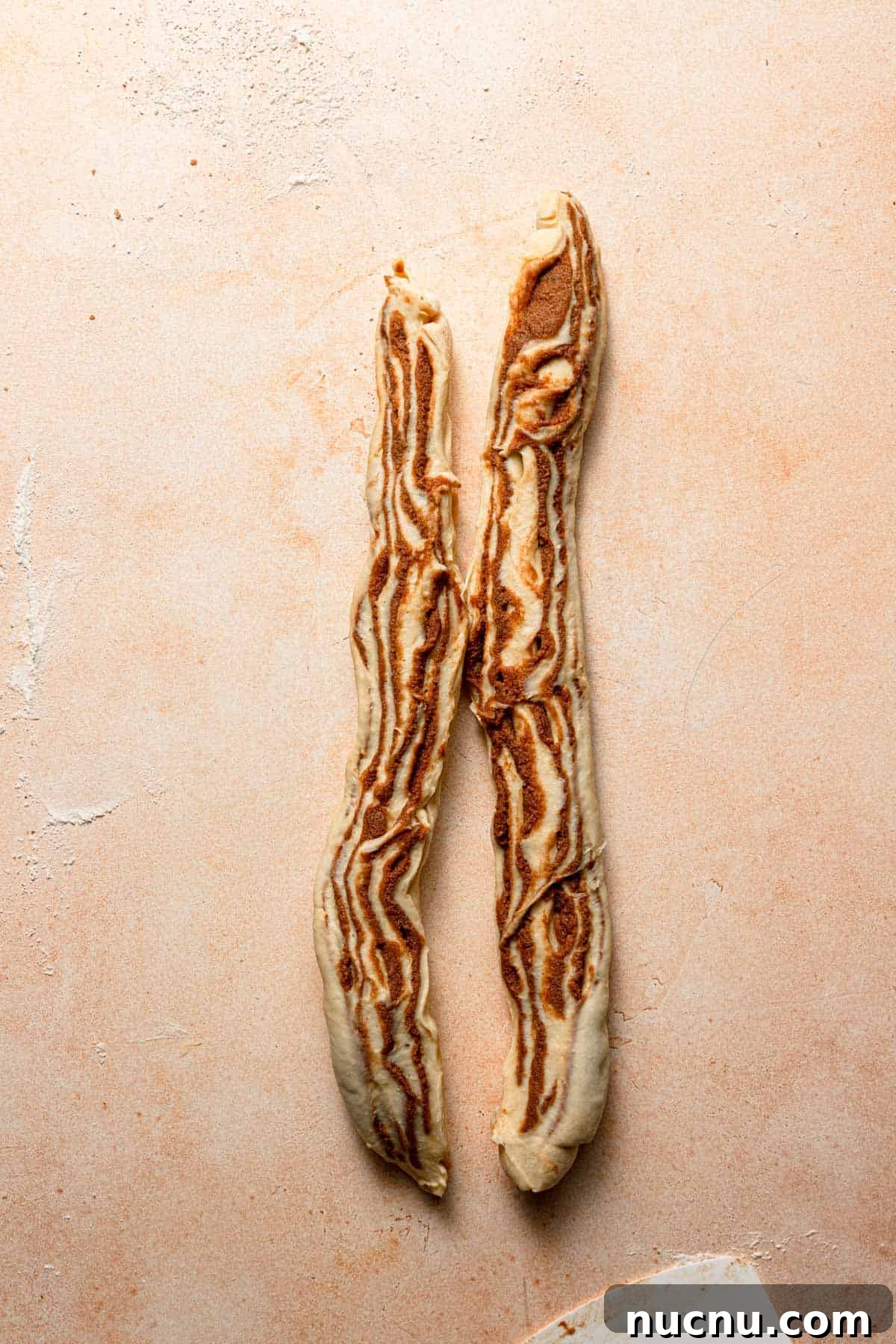
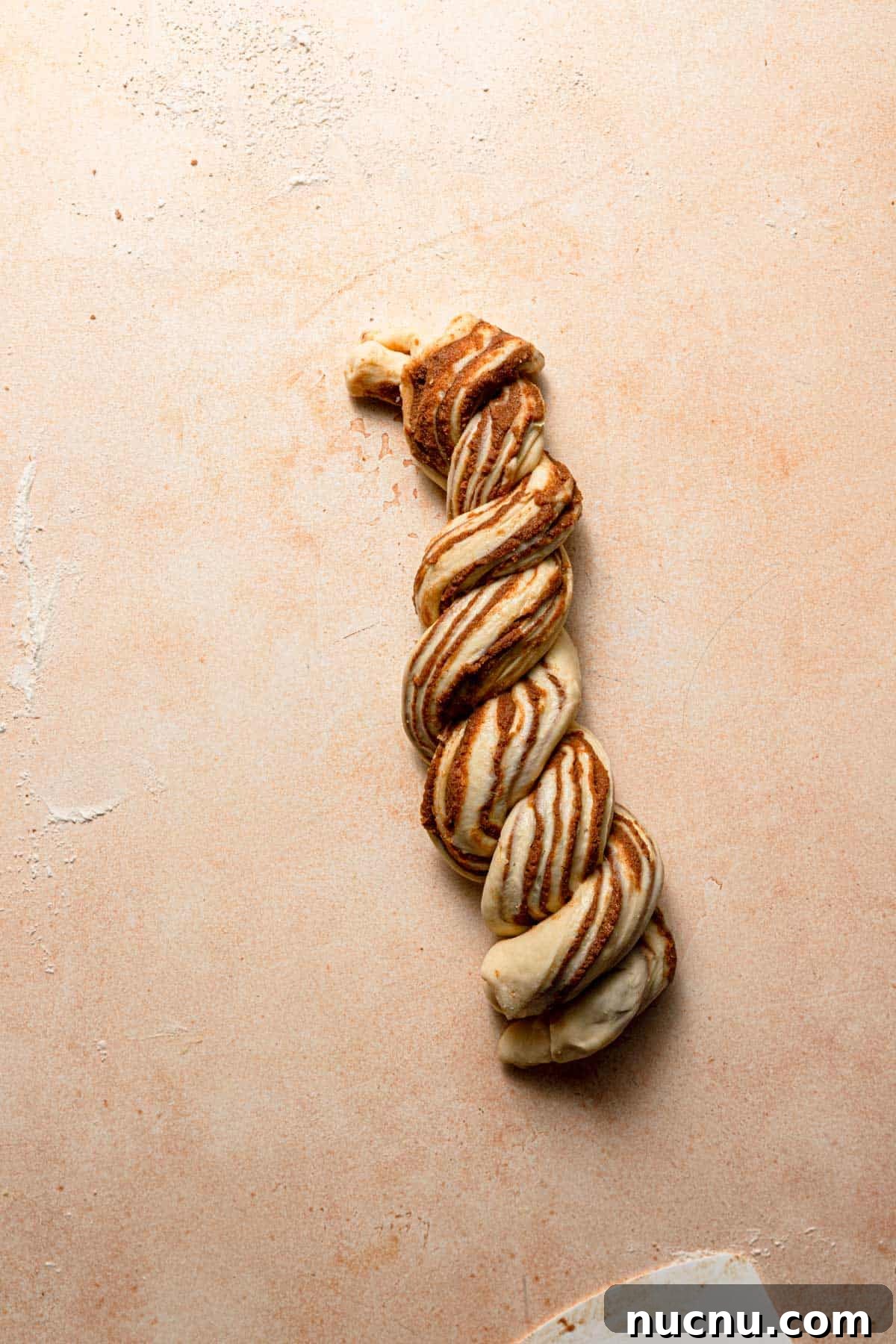
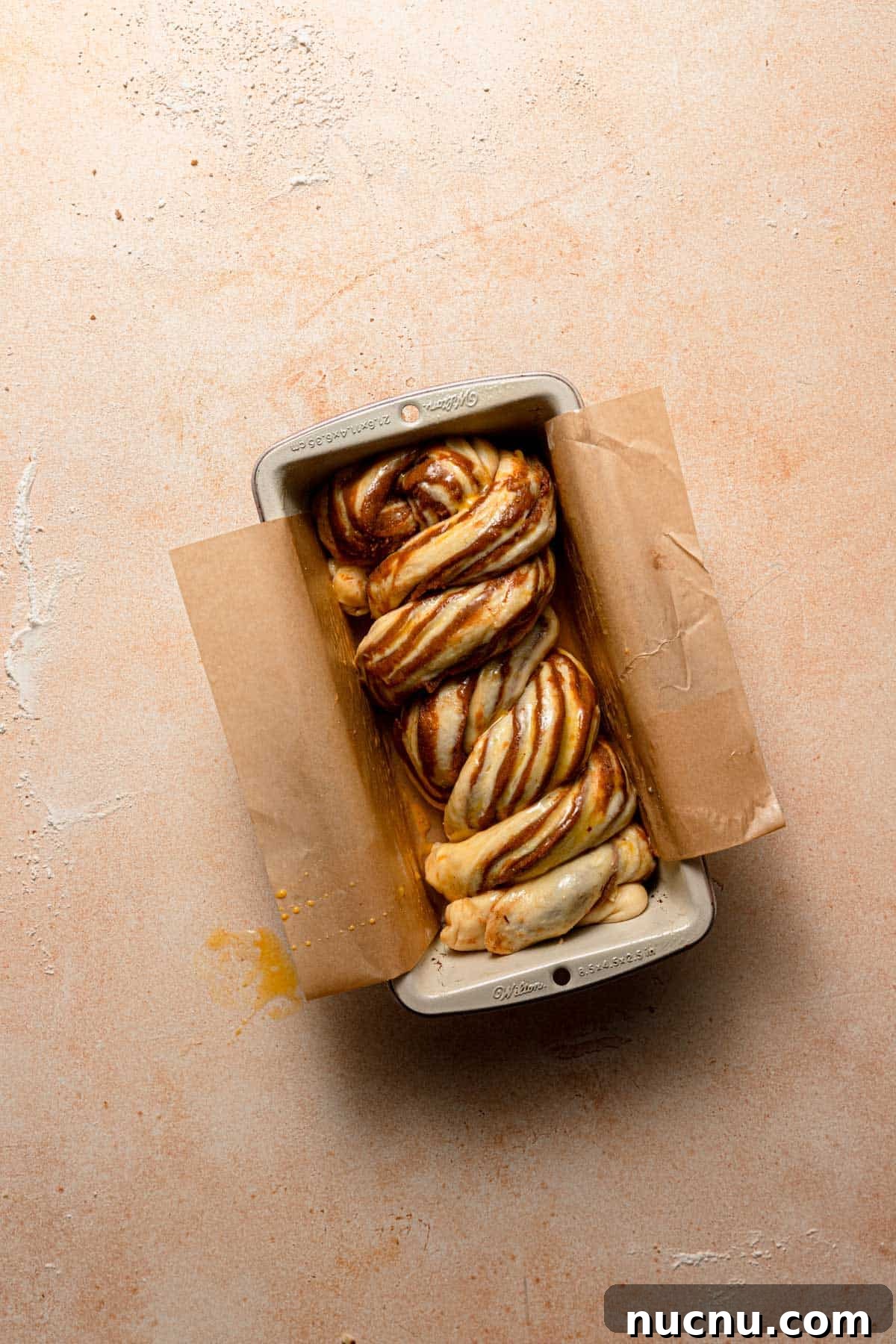
- With the seam down, cut the log vertically down the center to reveal the layers. Twist the two halves together into a loaf and place in the prepared pan.
- Repeat with the second piece of dough.
- Brush each loaf with egg wash and let rise in a warm spot for 90–120 minutes for the second proof.
- Bake at 350°F (180°C) for about 35 minutes, until deep golden brown and the internal temperature reaches 190–200°F (88–93°C).
Make The Simple Syrup
- Combine sugar and water and simmer over medium heat for about 5 minutes until the sugar dissolves. Cool and refrigerate.
- Brush the warm loaves with the syrup as soon as they come out of the oven. Let cool in the pans for 30 minutes before removing.
- Slice with a serrated knife. Store covered at room temperature up to five days. Reheat at 300°F for 10–15 minutes to refresh texture.
Notes
- Use room-temperature eggs and butter for smooth dough and even mixing.
- Rotate the dough while rolling to prevent sticking; dust with flour as needed.
- Place a large sheet under your loaf pans when baking—filling can drip and smoke if it spills onto the oven floor.
- Slice with a serrated knife to avoid compressing the loaf.
- To freeze: wrap tightly in plastic wrap and a freezer bag for up to two months. Thaw at room temperature before serving.