
Bringing fruit onto a plane can create delays at security and at gates because airports enforce strict rules for fresh food for safety and customs reasons. Picking the right fruit and packing it correctly makes travel smoother and reduces the chance of problems. Some fruits pass through security without issue, while others are stopped depending on local and international regulations. These tips explain which fruits typically clear security and how to avoid hassles before your flight, helping travelers enjoy a smoother journey without unexpected delays.
Can you bring fruit on a plane?
Yes, you can bring most fruits and vegetables when traveling by air within the United States, provided they meet Transportation Security Administration (TSA) guidelines. However, there are restrictions and exceptions to be aware of, and rules can vary when traveling internationally. Understanding what is allowed and how to pack it will help you get through checkpoints quickly.
Fresh small fruits
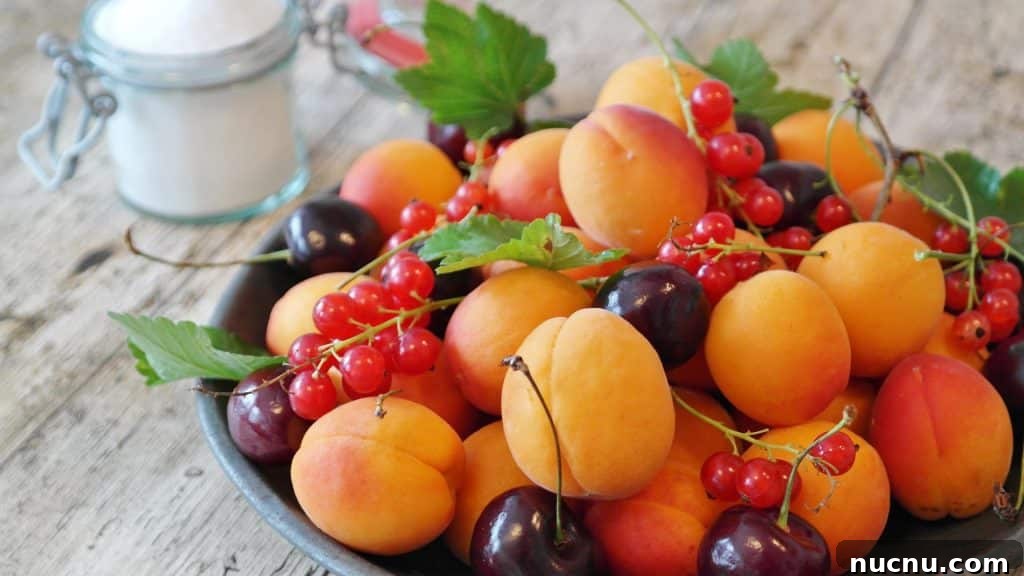
Apples, pears, apricots, peaches, plums, nectarines, cherries, strawberries, blueberries, raspberries, blackberries, and currants are generally allowed in carry-on bags. To avoid spills or messes, pack them in a leakproof container or a sealed plastic bag. A single layer in a resealable bag inside a hard container works well to keep fruit fresh and protect other items in your bag.
Avocado
Ripe avocados are permitted in carry-on luggage. The TSA recommends packing them in a leakproof container and ensuring they’re snug to avoid bruising. Avoid packing avocados loose in breathable bags; trapped moisture can promote mold, so use containers that keep them dry.
What kinds of fruit are restricted?
Some large, heavy, or dense fruits may be flagged because they could be considered potential projectiles in the cabin. Examples commonly subject to restriction or extra scrutiny include whole melons, pineapples, watermelons, cantaloupes, honeydews and similarly large soft fruits. When in doubt, check with your airline or the departure airport’s rules before packing these items.
How much fruit can you bring?
There is no single universal limit applied by TSA for fresh fruit in carry-on bags, but it’s wise to keep portions reasonable to avoid overpacking. For international travel and some domestic checkpoints, officers may apply stricter rules. If you plan to carry larger quantities or multiple pieces, consider placing them in checked baggage, following any weight or packaging limits the airline specifies.
Is it safe to bring fruit on a plane?
Yes, bringing fruit is safe when you follow TSA and airline guidelines. Pack fruit in clean, leakproof containers and keep perishable items chilled if needed. Avoid packing items that are banned or likely to be confiscated at your destination—especially for international travel, where customs rules vary widely.

What happens if you bring fruit through security?
Fruit in carry-on bags is typically screened by X-ray machines. If an item raises questions, security officers may ask you to remove it for separate inspection. Enrolling in TSA PreCheck speeds up security screening, but PreCheck does not exempt you from rules about prohibited items—pack fruit responsibly and label containers if possible.
Do you have to declare fruit?
Domestic travelers within the United States generally do not need to declare fruit. However, for international flights you should always check the customs rules of the country you are entering. Many countries require you to declare food items, and some prohibit fresh produce entirely. Declaring items when required avoids fines or confiscation upon arrival.
Can you bring dried or frozen fruit?
Dried fruit is allowed in carry-on and checked baggage when packed in sealed containers. Packaged dried fruit is convenient and less likely to cause inspection delays. Frozen fruit is usually permitted, but rules can vary; ensure it is fully frozen and packed in leakproof packaging. When traveling across borders, check destination rules for importing food.
Practical packing tips
– Use leakproof containers or sealed bags to prevent spills and odors.
– Pack fruit in a way that prevents bruising; lay items flat and avoid overfilling.
– Keep perishable items in an insulated bag with a small ice pack if needed, but ensure the ice is fully frozen or complies with liquid restrictions.
– Check both TSA and your airline’s policies before you travel, and review customs regulations for international destinations.
Summary of allowed items
Commonly allowed: fresh small fruits (apples, pears, berries, cherries, peaches), dried fruit, canned fruit in sealed containers, fresh vegetables, and many prepared foods. Some large or dense fruits may face extra scrutiny or be restricted. Always confirm rules for international travel and declare food items when required by customs.
Related Posts
Tasty Ube Ice Cream Recipe

Can Cherries Go Bad?

25 Easy Kidney Bean Recipes

How Long Does Deer Meat Last In The Freezer?