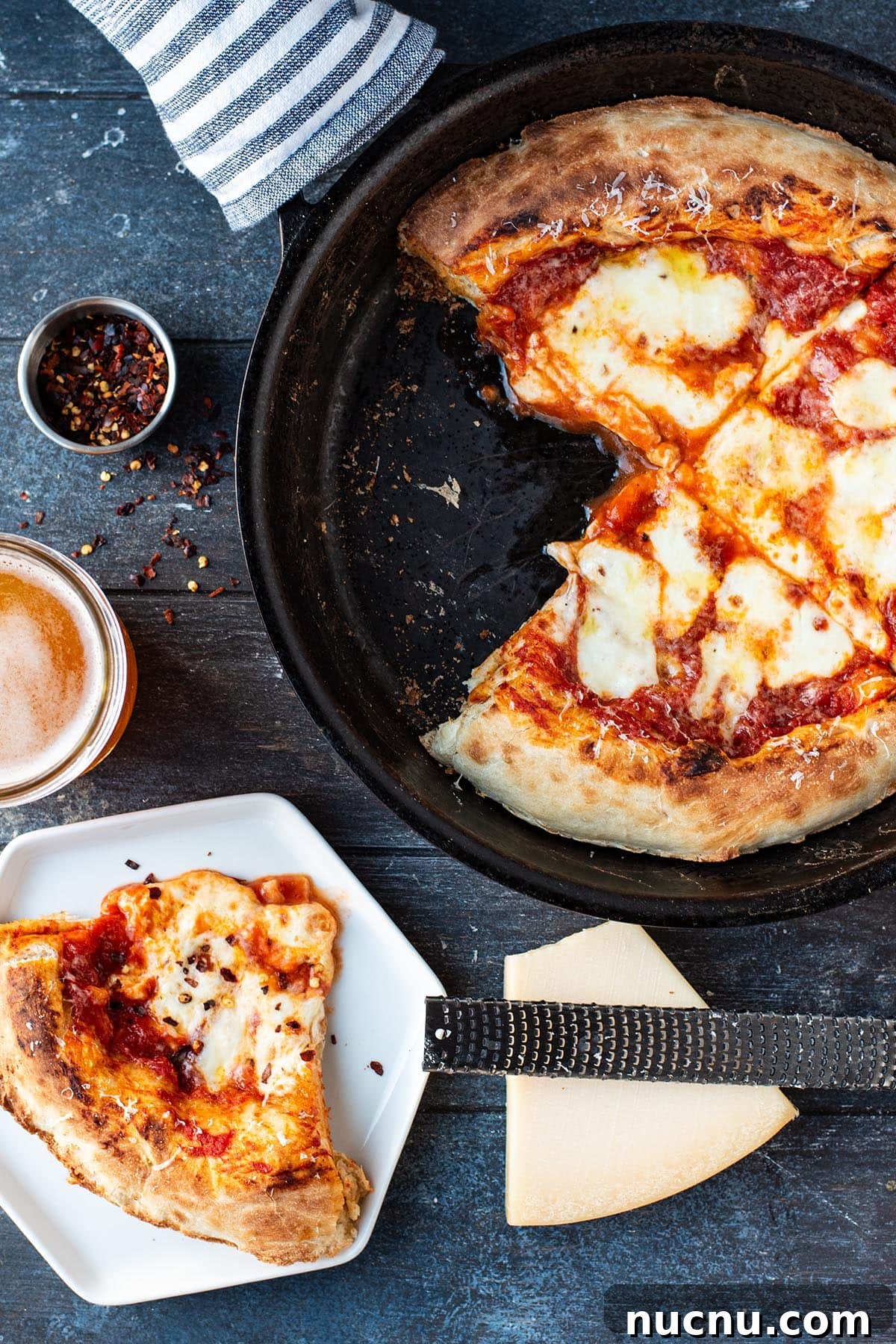
A cast iron skillet produces excellent results when making homemade pizza in a pan. Like a baking steel, cast iron transfers and retains heat very well, letting you cook the crust quickly on a hot surface for a crisp exterior and tender, airy interior.
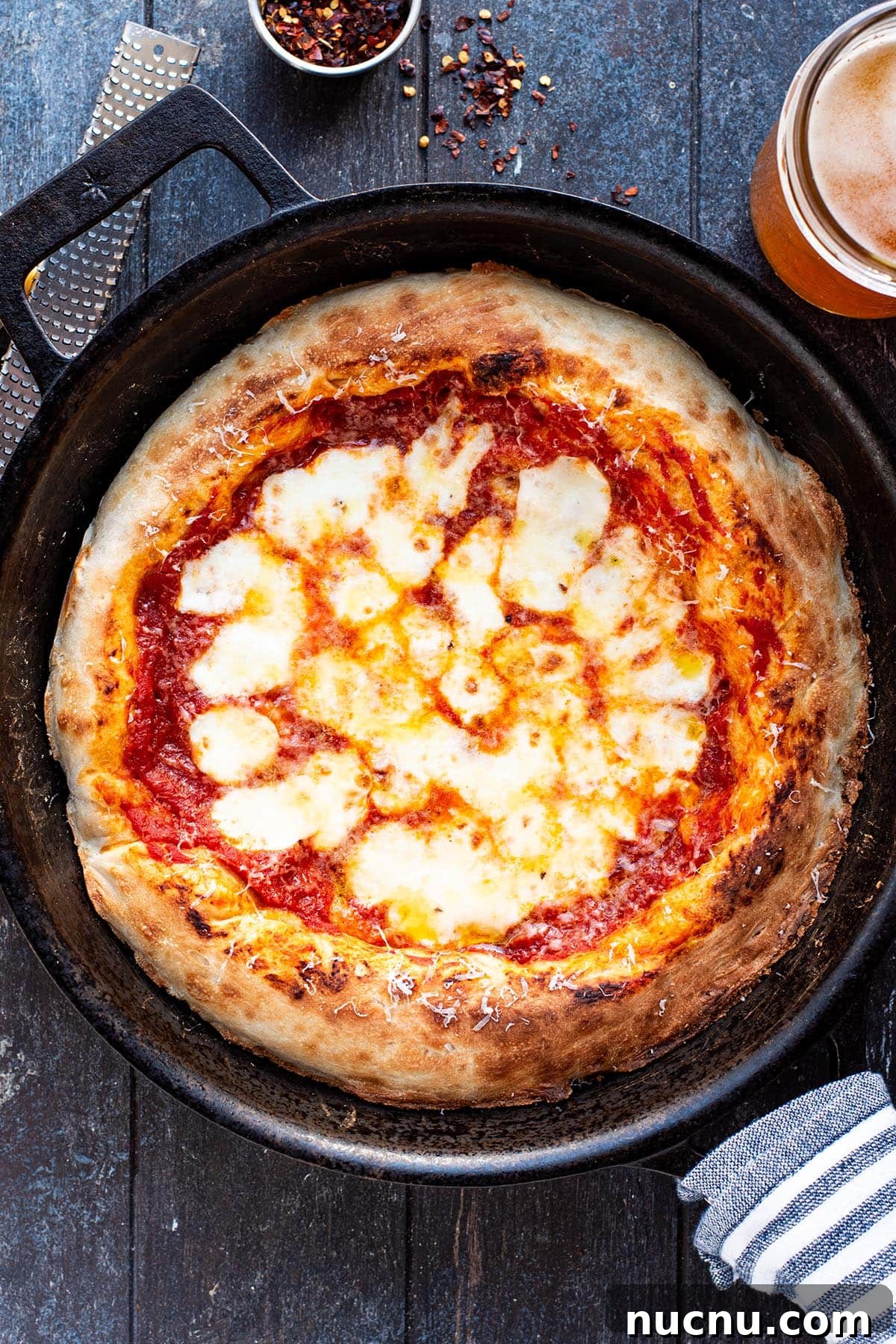
Commercial pizzerias use extremely high temperatures that are hard to match at home, but the skillet method helps you get closer to those results by concentrating heat at the crust. With a hot preheated skillet and a quick bake and broil, you’ll get a nicely blistered, crisp bottom and a soft, well-cooked interior.
Why this recipe works
- More heat: a preheated cast iron skillet gives the dough a very hot surface to cook against, producing a thin, crunchy bottom and a light, airy crumb. Finishing under the broiler helps create char and color on the top.
- Simple toppings: light, fresh, and restrained toppings cook faster and keep the pizza balanced and true to classic styles.
Ingredient notes
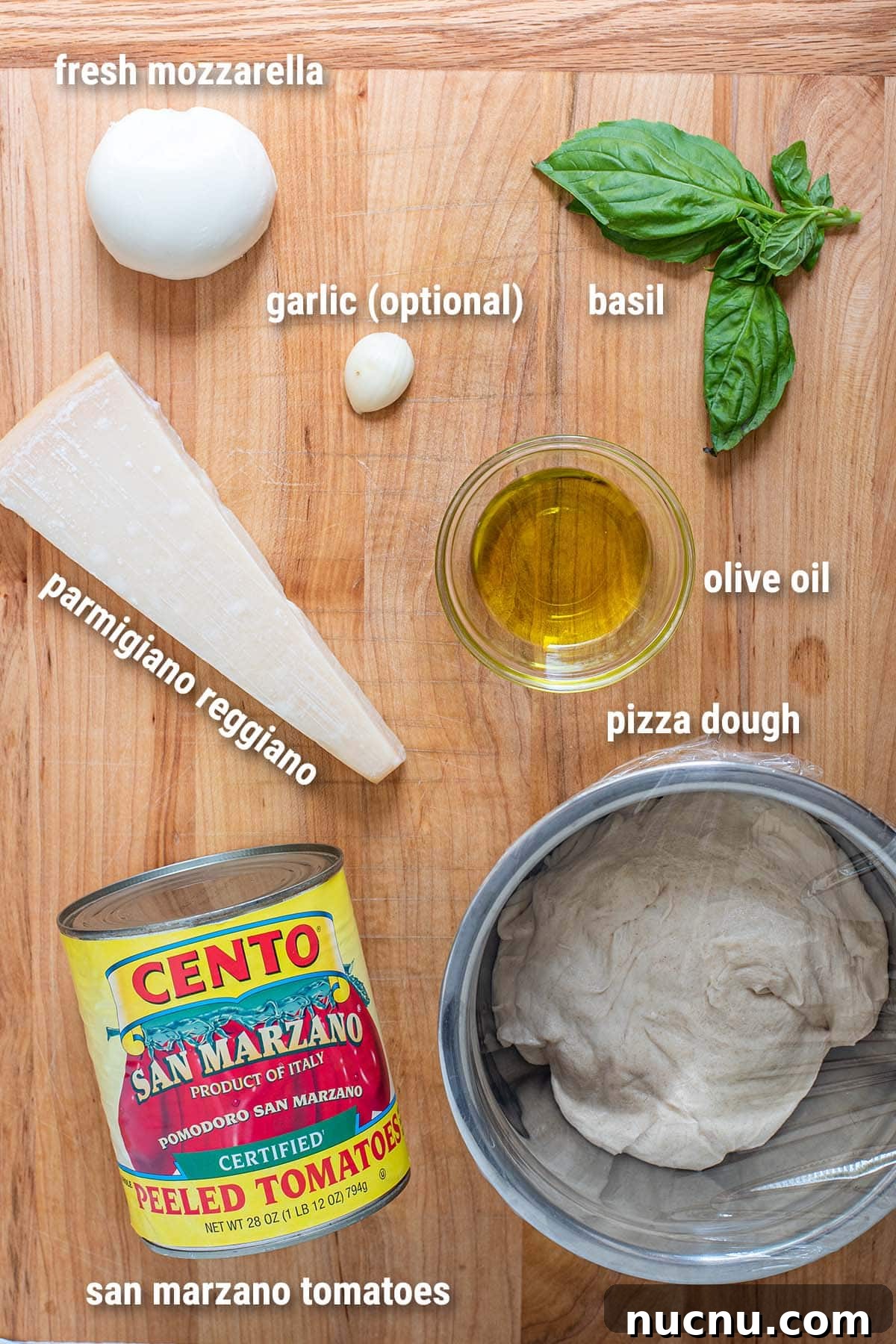
- Pizza dough: homemade or store-bought works. If using refrigerated dough, let it sit at room temperature for 3–4 hours so it proofs and relaxes; this makes stretching easier and yields a lighter crust.
- Mozzarella: use low-moisture or fresh mozzarella. Slice or cube thinly so it melts evenly without overloading the pie.
- Parmigiano-Reggiano: freshly grated adds a salty, nutty finish and is optional but recommended.
- Extra-virgin olive oil: a light drizzle just before serving enhances flavor and mouthfeel.
- San Marzano tomatoes (canned): for a classic, clean sauce use peeled San Marzano tomatoes. If the sauce tastes too acidic, balance with a very small pinch of sugar. For full recipe quantities and a suggested method, see the recipe card below.
Step-by-step instructions
Step 1.
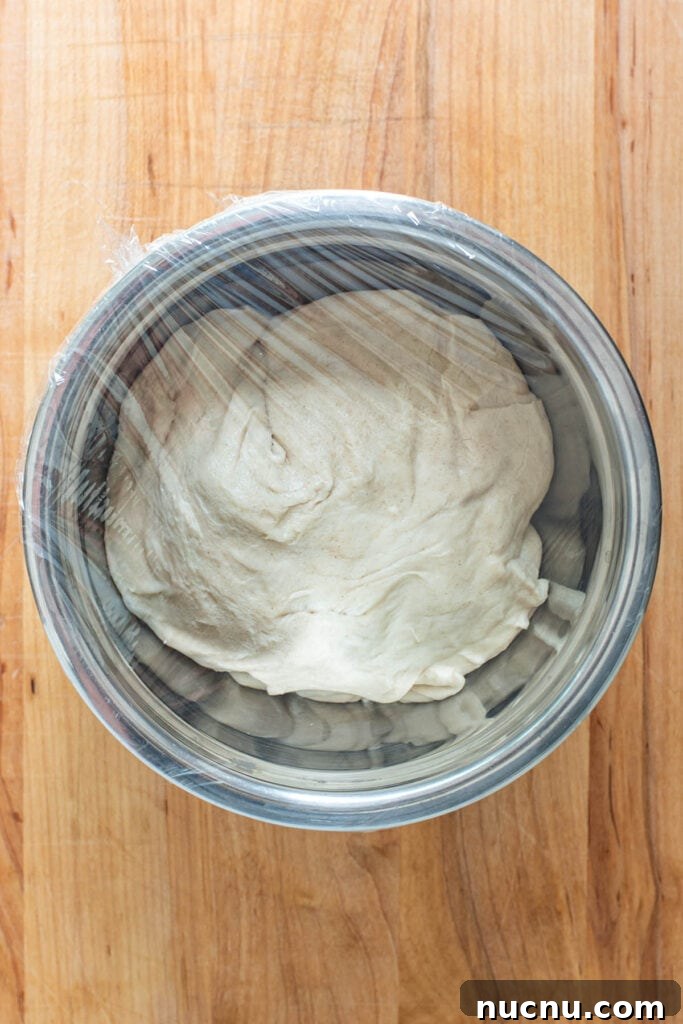
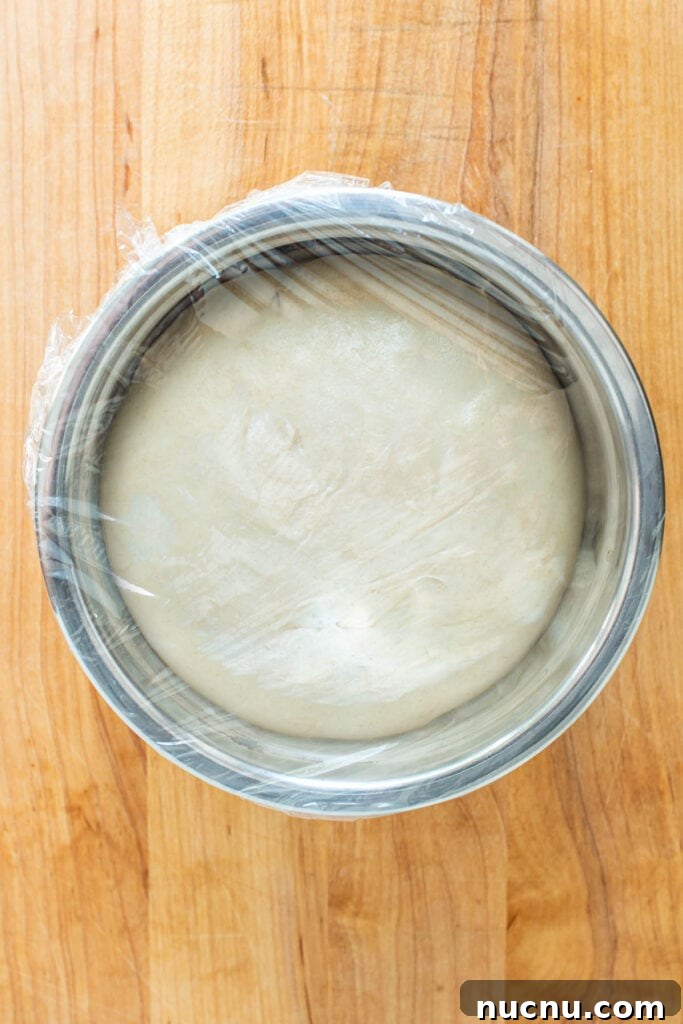
Remove dough from the refrigerator and place it in a lightly greased bowl, covered. Let it rest 3–4 hours at room temperature until it warms, relaxes, and nearly doubles. This stage is key for a light, airy crust.
Step 2.
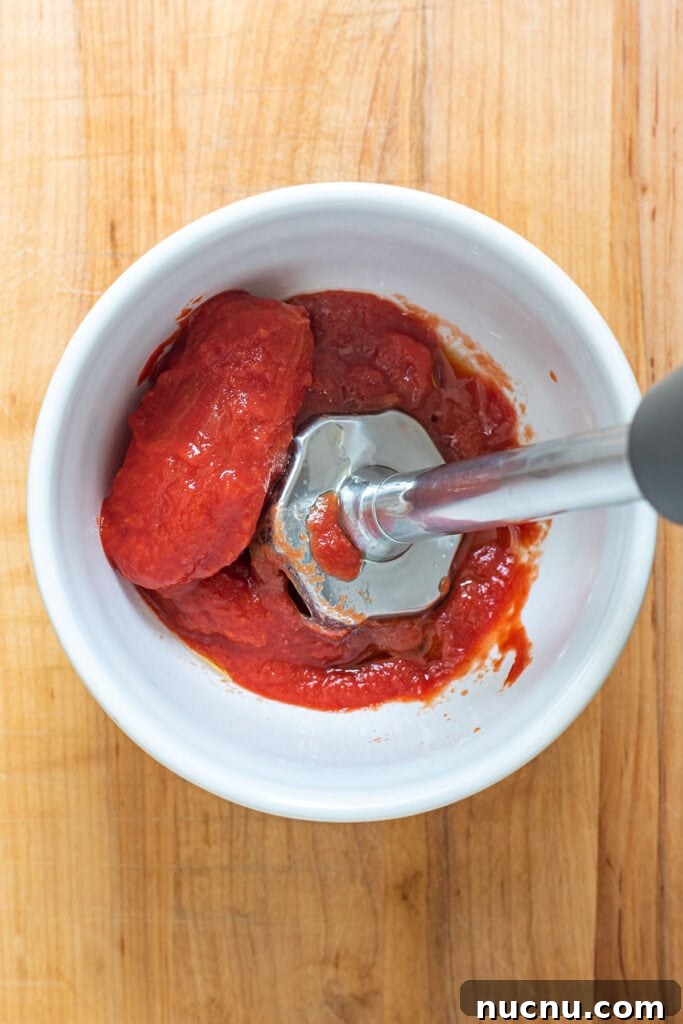
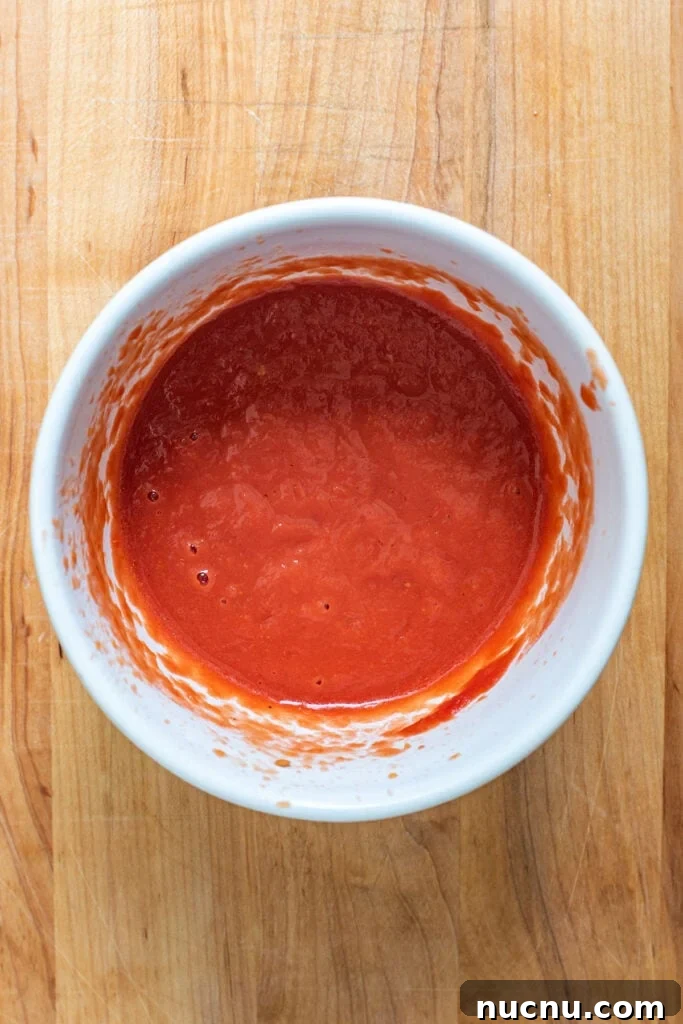
To make a simple sauce: combine canned tomatoes, a little olive oil, and salt in a bowl and blend until smooth using an immersion blender, regular blender, or food processor. Taste and adjust salt. This yields roughly a cup or more; use about 1/3–1/2 cup per 10-inch pizza. For a chunkier, rustic sauce, hand-crush the tomatoes or mash them with a potato masher.
Step 3.
Preheat the oven to its highest setting (500–550°F) with the cast iron skillet inside. Allow the skillet to heat for an additional 10–15 minutes after the oven reaches temperature so the pan is thoroughly hot.
Step 4.
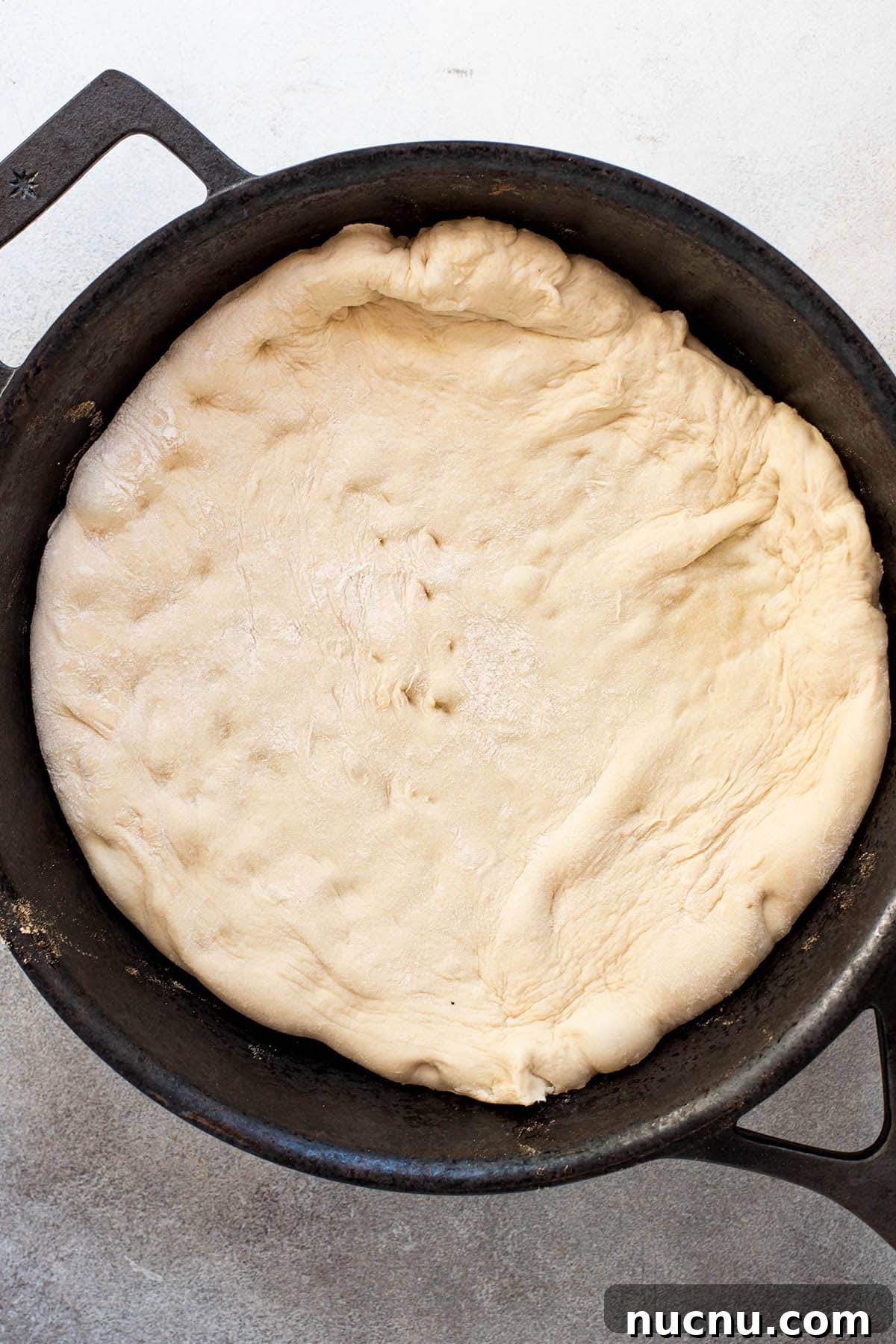
Shape the dough by hand into a roughly 10-inch disk. Keep the center thin with a slightly thicker edge. Remove the hot skillet from the oven and place the dough in it so the rim of the crust comes up the skillet sides.
Step 5.
Spoon sauce over the dough and add the cheese. Bake on the top rack about 8–10 inches from the heat source for 5–6 minutes, until the crust begins to brown and the cheese starts to melt.
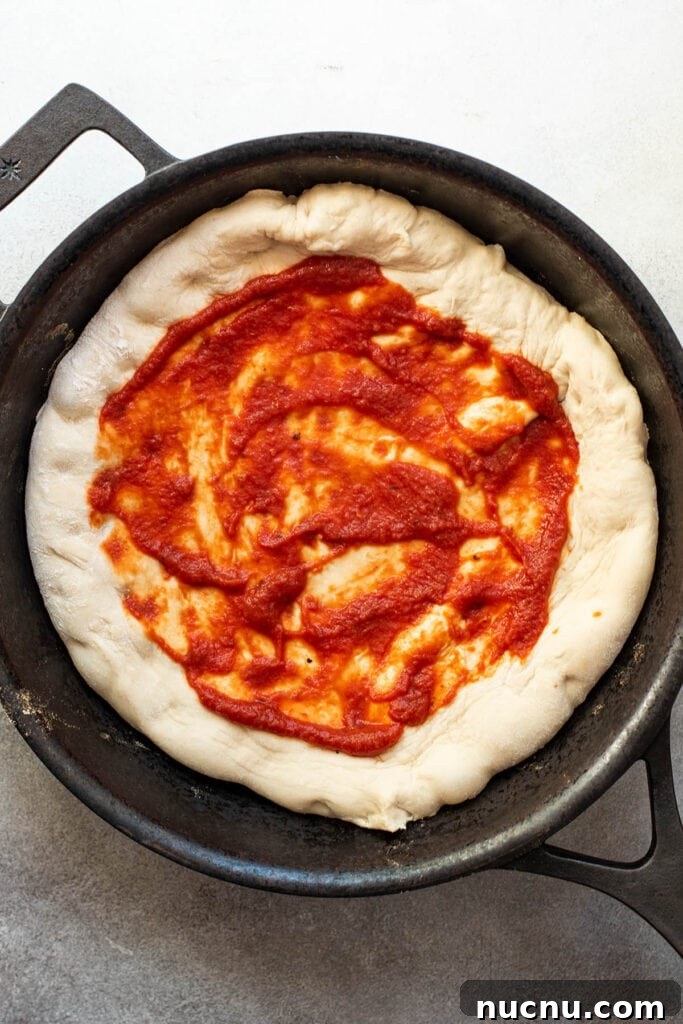
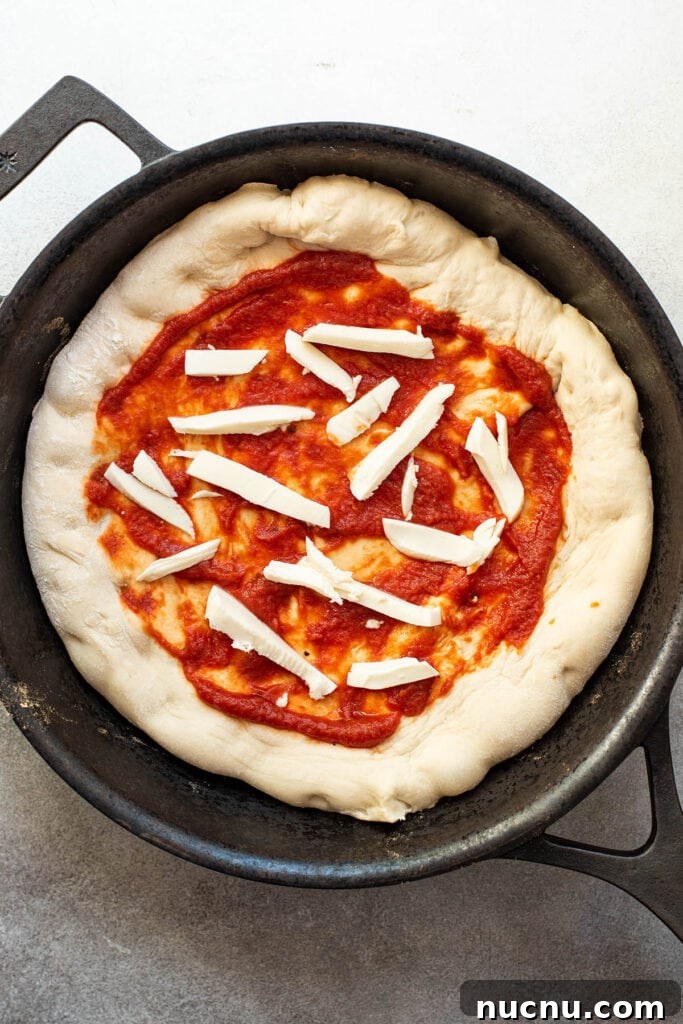
Step 6.
Switch the oven to broil on high and broil the pizza 2–3 minutes until the top is blistered and the crust shows some char. Watch the pizza closely during broiling, as it can burn quickly.
Step 7.
Remove the pizza from the oven. Immediately grate parmigiano-reggiano over the hot pie, drizzle lightly with olive oil, and scatter fresh basil leaves on top. Tilt the skillet and slide the pizza out; a properly cooked crust should release easily.
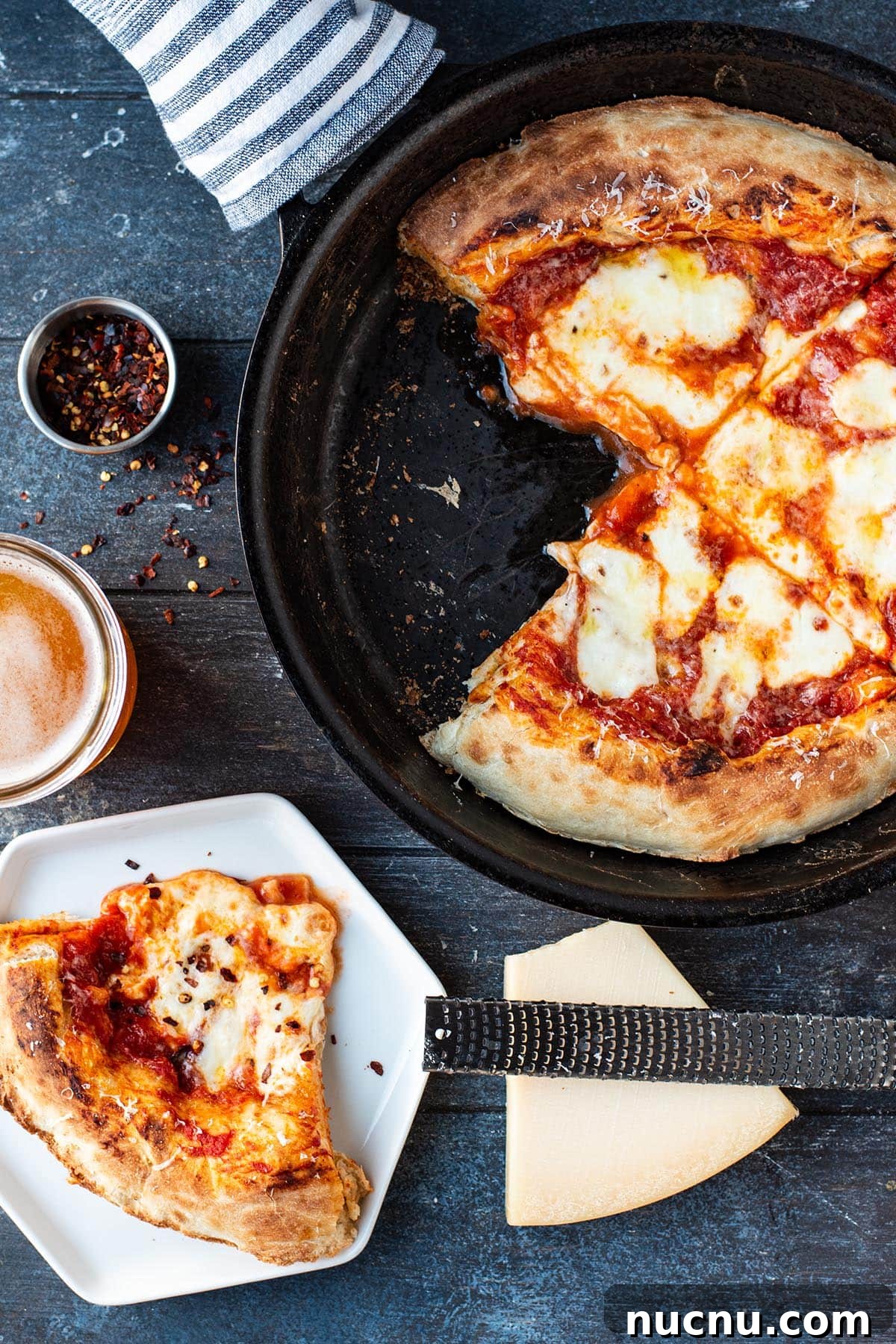
Expert tips
- Use the top rack: position the skillet so the top of the pizza sits about 8 inches from the heat source to get a golden, slightly blistered cheese topping.
- Bring dough to room temperature: let dough sit at least 1 hour before shaping to relax the gluten and make handling easier.
- Preheat thoroughly: leave the skillet in the oven as it preheats and for another 10–15 minutes after target temperature to ensure the pan is searing hot.
- Keep the crust thin: avoid piling on dough or toppings; a thinner crust cooks quickly and stays crisp rather than bready.
- Finish under the broiler: the short broil at the end provides char and color—watch carefully to avoid burning.
More pizza recipes
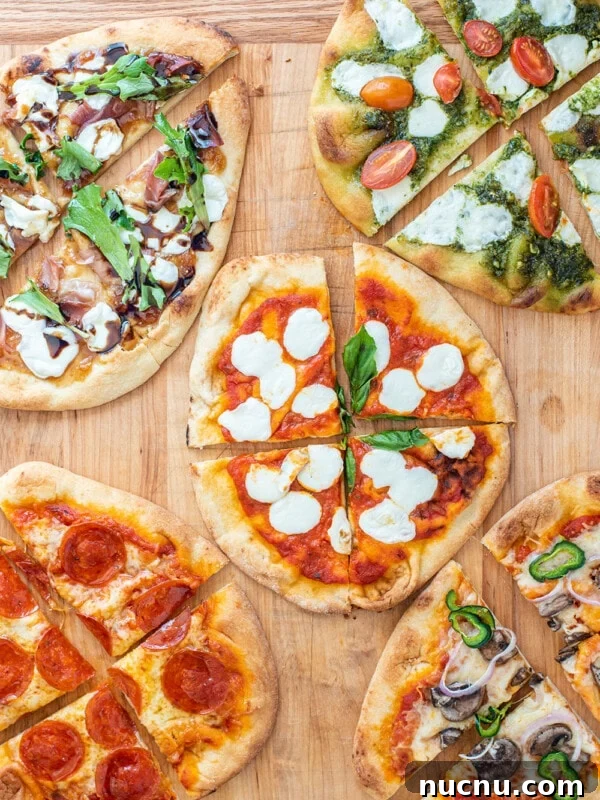
5 Easy Flatbread Pizza Recipes
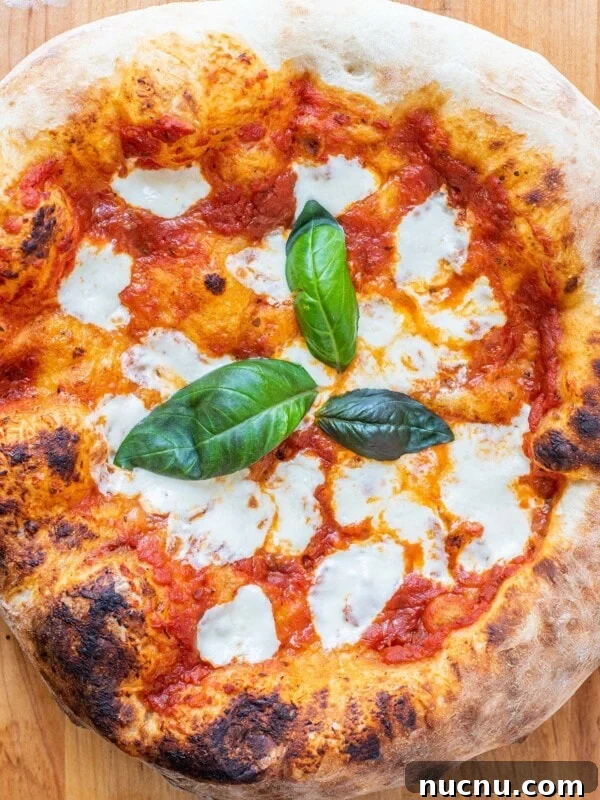
Margherita Pizza
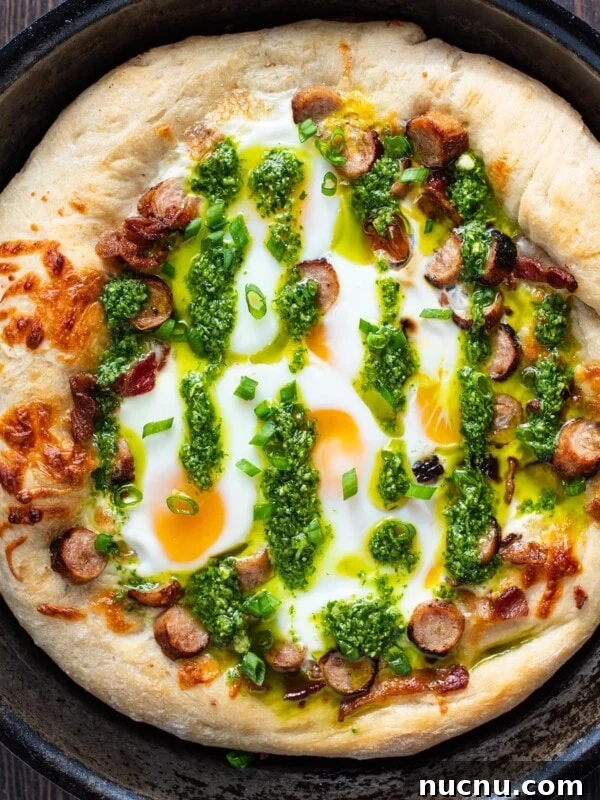
Skillet Breakfast Pizza
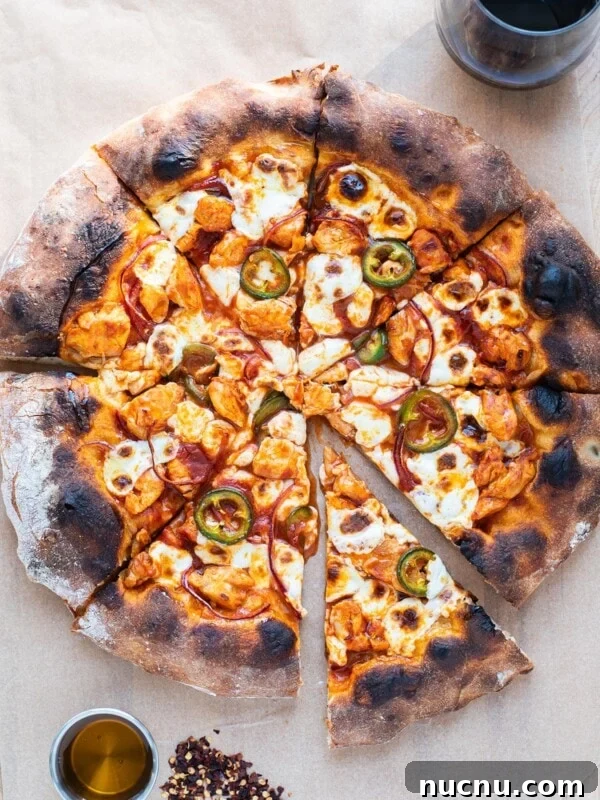
Buffalo Chicken Pizza
Enjoy this recipe? If you made it, leave a star rating in the recipe card below and a review in the comments!
Skillet Pan Pizza
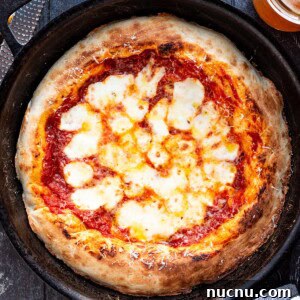
Ingredients
- 10-16 ounces pizza dough, room temp/proofed
- 1/2 cup pizza sauce
- 2 ounces fresh mozzarella, thinly sliced
- 1/4 cup freshly grated Parmigiano-Reggiano
- Fresh basil
- Olive oil
Homemade pizza sauce (makes 1 cup)
- 3 canned San Marzano tomatoes + 2 tablespoons of sauce from the can, look for quality peeled tomatoes
- 2 teaspoons olive oil
- pinch salt, to taste
- 1 garlic clove, optional
Instructions
-
Remove the dough from the fridge prior to cooking. Place dough in a greased bowl and cover. Let rest 3–4 hours or until no longer cool to the touch; the dough should puff and nearly double.
-
Homemade sauce: combine tomatoes, oil, and salt in a small bowl and blend until smooth. Use about 1/3–1/2 cup per pizza. For a rustic sauce, hand-crush the tomatoes. If too acidic, add a tiny pinch of sugar.
-
Preheat the oven to 500–550°F with the skillet inside. Keep the skillet in the oven an extra 10–15 minutes after it reaches temperature so the pan is very hot.
-
Hand-shape the dough into a 10-inch crust, keeping it thin with a slightly thicker edge. Remove the skillet from the oven and transfer the dough so the edge rests against the skillet sides.
-
Add sauce and cheese. Bake on the top rack about 8–10 inches from the heat for 5–6 minutes, until the crust starts to brown.
-
Turn on the broiler and broil 2–3 minutes until the crust chars lightly and the cheese is golden. Watch carefully to prevent burning.
-
Remove from oven, grate Parmigiano-Reggiano over the pizza, drizzle with olive oil, and add fresh basil. Tilt the skillet and slide the pizza out; it should release easily.
Notes
Allow dough to come to room temperature before shaping to make it easier to stretch and to improve texture.
Heat the oven to its highest safe temperature (500–550°F) and give the skillet plenty of time to become very hot.
Keep the dough thin in the center and slightly thicker at the edge to avoid a bready result.
Finish with a 2–3 minute broil to add char and color; watch the pizza closely while broiling.
Nutrition
Carbohydrates: 97g
Protein: 27g
Fat: 19g
Nutrition information is an approximation.