Summer is here, and many of us are preparing swimsuits, sunscreen, and travel plans for both domestic and international getaways. While flights, hotels, and attraction tickets can consume a large share of a travel budget, food costs add up quickly too. Eating out three times a day can strain your wallet and derail healthy eating before the trip is halfway over.
Below are five practical tips to help you eat well and save money on food while on vacation.
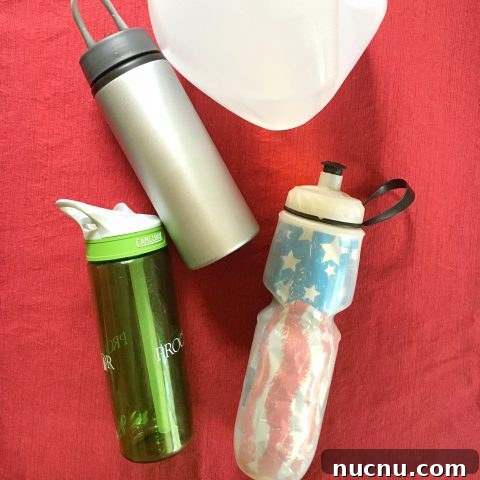
Bring a Reusable Water Bottle: I always travel with a reusable water bottle. Whether it’s a BPA-free plastic bottle or a stainless steel insulated model that keeps drinks cold or hot for hours, carrying your own bottle reduces costs and helps you stay hydrated. An empty bottle is easy to pack and, at most U.S. destinations, you can refill it from the tap. If tap water isn’t safe where you’re going, buy a large jug of drinking water and refill your bottle from that source.
Bonus: Using a reusable bottle helps reduce the hundreds of billions of plastic bottles that end up in landfills each year.
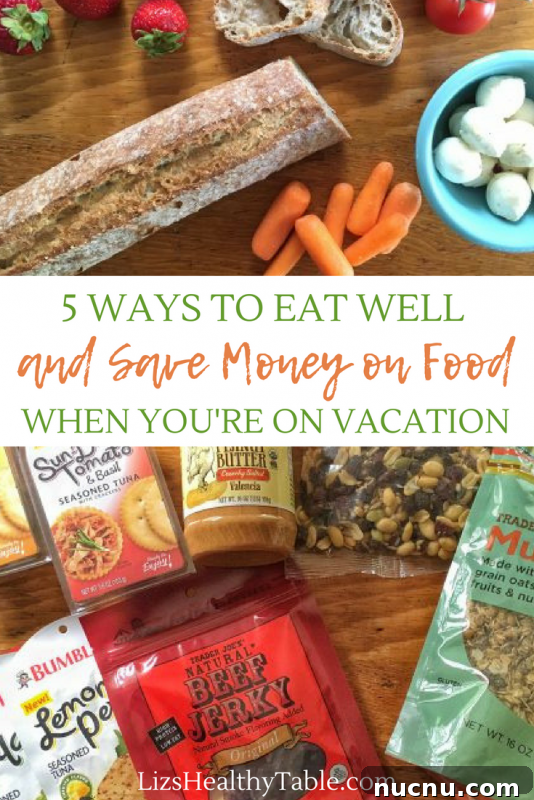
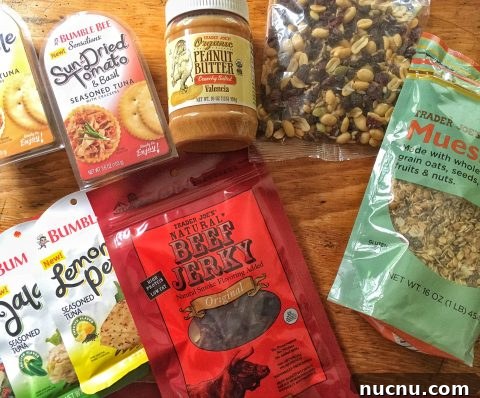
Pack Lightweight, Nutrient-Dense Snacks: When packing swimsuits and sunscreen, include portable, affordable snacks that keep you fueled between meals. Good options include fruit-and-nut trail mix, single-serve nut butters, all-natural jerky, and ready-to-eat tuna or cracker kits. Focus on protein-rich, compact foods that keep you feeling satisfied and less likely to splurge on expensive restaurant snacks.
[Tweet “Save money on food during your summer vacation. 5 tasty tips from @lizweiss”]
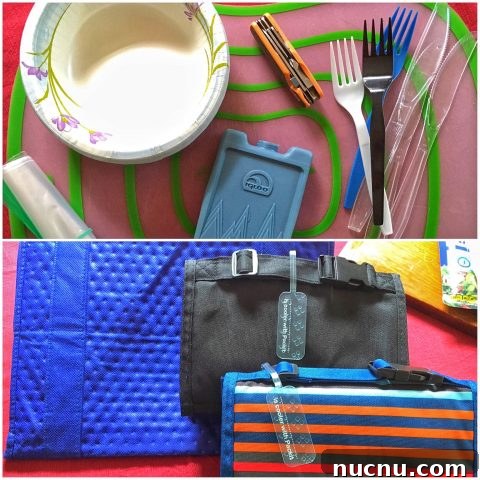
Bring Lightweight Utensils, Plates, and a Small Cooler: Pack a few disposable or reusable bowls, plastic utensils you can wash and reuse, plastic bags, a small ice pack, and a collapsible cooler. These items make in-room breakfasts, picnics, and snacks easy and affordable. A pocket knife is handy for slicing fruit and cheese; remember to pack it in checked luggage, not in carry-on baggage.
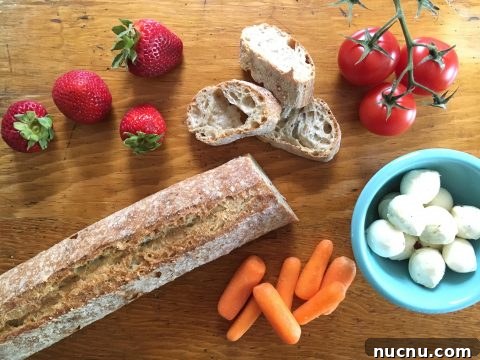
Shop Locally for Groceries: Visiting local markets and grocery stores is a great way to save money and experience regional foods. Farmers’ markets, roadside fruit stands, and neighborhood groceries offer fresh, affordable options for picnic lunches and simple hotel breakfasts. Pick up a baguette, a wedge of local cheese, seasonal fruit, and a prepared salad for an easy lunch.
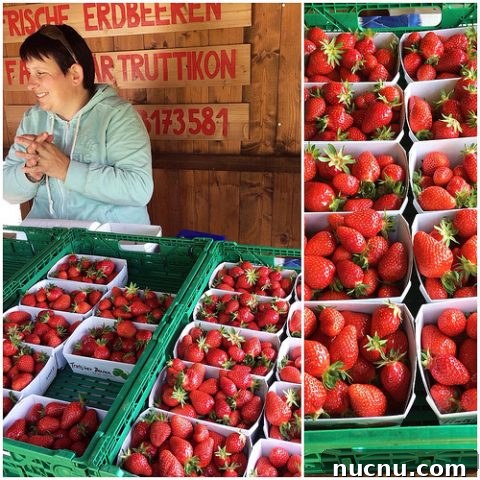
{Photo taken at a roadside fruit stand during a family trip to Switzerland}
For hotel breakfasts, keep versatile staples on hand: nut butters and jam, a hearty whole-grain loaf, a tub of yogurt (often cheaper than individual cups), a bag of granola or muesli, plus fresh or dried fruit. Check whether your hotel provides complimentary coffee in the room or lobby to avoid extra café purchases.
Eat Out Strategically: Dining out every evening can quickly inflate your food budget. Choose restaurants that serve local cuisine but aren’t overly touristy or pricey. Ask residents for recommendations rather than relying solely on hotel suggestions. Avoid ordering multiple courses for yourself—start with a shared salad to boost your vegetable intake, then consider sharing an entrée. Portions in the U.S. are often large, making sharing a practical money-saving tactic. In Europe and other regions portions may be smaller, so observe what others are eating before ordering.
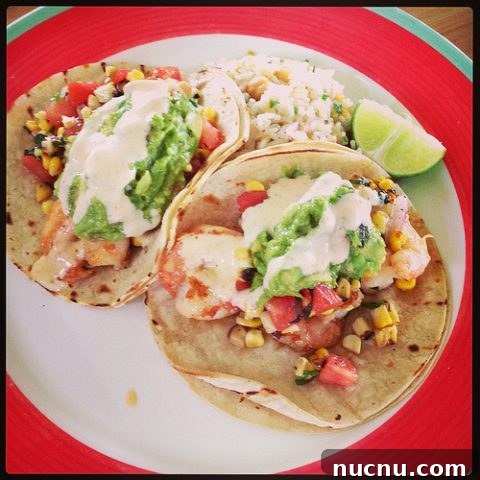
If you’re visiting a developing country, research local food and water safety in advance and adapt your meal plans accordingly to avoid illness.
Following these simple strategies—bringing your own water, packing smart snacks, equipping yourself for light meals, shopping locally, and choosing restaurants thoughtfully—can keep you well-fed, healthy, and on budget while you travel.