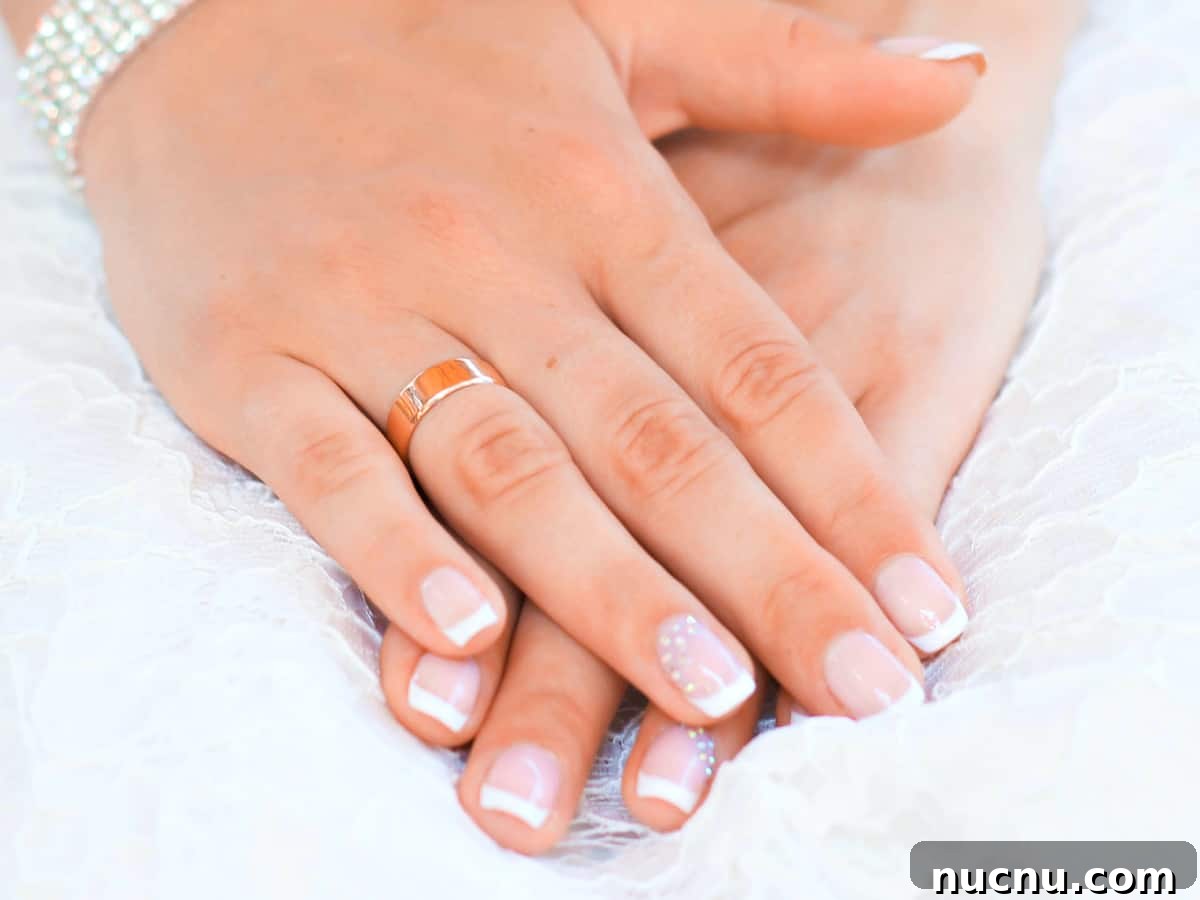
How to do your own acrylic nails at home cheaply. Save money with this DIY acrylic nails with tips tutorial. Doing acrylic nails at home is convenient and straightforward — follow these steps to get professional-looking results without the salon price.
How to Do Your Own Acrylic Nails at Home
Many of us would love a full salon pampering, but time, travel and cost make regular visits impractical. Learning to do acrylic nails at home saves time and money, and gives you the freedom to change styles on your schedule.
Acrylic Nails at Home Are Affordable
Nail art and artificial nails are more popular than ever, and salon services can be expensive. With a basic kit you can create many sets of acrylics and do fills at home, dramatically reducing your per-visit cost. Kits are cost-effective because the products last for multiple sets and fills, and you control how often and how you change your nails.
Typical Salon Prices vs. DIY Savings
Salon prices vary by location and style. A full set with tips can run around $50, with fills starting near $35 every two weeks for basic upkeep. Extras such as extended length, colored acrylic, nail art, special shaping, or soak-offs are often additional charges. When you buy a kit and supplies, each component is reused many times, so the overall cost per set drops significantly.
What Is an Acrylic Nail Kit?
An acrylic kit contains the essentials: nail tips, monomer (liquid), polymer (powder), glue, a brush, and other tools. Kits range from budget to professional grade; prices commonly run from about $30 to $200+ depending on brand and included items. The savings come from how many times one kit can be used to apply and refill nails.
Where to Buy Tips and Kits
You don’t need a professional license to buy many consumer acrylic kits and supplies. Retailers that sell to the public include general online marketplaces and chain beauty stores that don’t require professional credentials. Look for reputable brands and read product reviews before purchasing.
Acrylic Nail Tutorial: Get Organized
Preparation makes application much easier. Use a small tackle box or plastic container to organize your supplies so everything is within reach. Work on one hand at a time, and plan ahead — simple steps like taking a quick break before you start will help keep the process smooth.
How to Do Acrylic Nails at Home Cheap
What you need
- Nail glue
- 6-way nail file (various grits)
- Nail tips (variety of sizes)
- Base coat and top coat
- Bond aid or nail dehydrator (optional, helps adhesion)
- Nail brush for acrylic
- Paper towels
- Cuticle pusher
- Acrylic nail cutters
- Acrylic system: monomer (liquid) and polymer (powder)
The monomer and polymer react to form the acrylic overlay. A single kit can supply months of fills and new sets when used properly.

Instructions for Acrylic Nails at Home
Nail Tips
- Trim natural nails to just the fingertip — avoid cutting too short.
- Gently buff the nail surface to remove shine. Push back cuticles and trim any hangnails.
- Match tips to each finger and keep them in order to avoid fumbling while handling glue.
- Pour a small amount of monomer into a dish. Keep polymer powder, brush and paper towels nearby.
- Work one finger at a time. Starting with the pinky, apply a small dab of glue to the tip’s ridge.
- Align the tip so it sits at the natural nail edge — not below the skin on the side of the finger.
- Press and hold firmly for about three seconds. Repeat for each nail.
- Trim tips to the desired length with acrylic nail cutters for a clean, even cut.
- Lightly file the edges to shape the nails.
Applying Acrylic
- Begin with the pinky and work toward the thumb. Dip the brush in monomer then touch it to the powder — a small bead should form on the brush.
- Place the bead at the cuticle edge and press forward to the mid-nail, smoothing by patting motions rather than dragging. Repeat with another bead placed toward the middle and pat forward to the tip, making sure to cover edges.
- Once the acrylic has hardened on each nail, begin shaping with the coarsest file, then progress to finer grits. A nail drill may speed the process but is optional.
Finishing
After filing smooth, apply a base coat and polish or a top coat as desired. Allow proper curing time for each product you use, and maintain nails with fills approximately every two weeks depending on growth.
Alternative DIY Methods
If traditional acrylics seem intimidating, consider alternatives:
- Gel-based systems — some self-leveling gels are designed to flow and smooth over tips; these often require a UV or LED lamp.
- Powder dip systems — nails are dipped into powder after applying an adhesive layer; the method varies by brand and typically requires sealing with an activator and top coat.
Tips and Safety
- Work in a well-ventilated area when using monomer and acrylic products.
- Keep supplies organized and clean brushes regularly to extend their life.
- If you experience irritation or an allergic reaction, stop using the product and consult a professional.
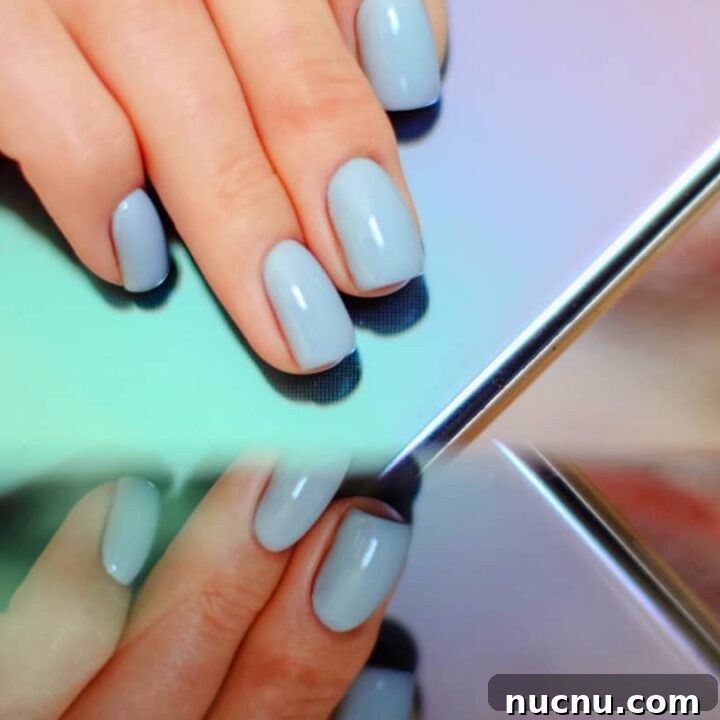
How To Do Your Own Acrylic Nails
Materials
- Nail glue
- 6-way nail file (various grits)
- Nail tips
- Base and top coat
- Bond aid or nail dehydrator (optional)
- Nail brush
- Paper towels
- Cuticle pusher
- Acrylic nail cutters
- Monomer (liquid) and polymer (powder)
Tools
- Nail drill (optional)
Instructions
Nail Tips
- Trim natural nails to the fingertip; avoid cutting too short.
- Buff the nail surface lightly, push back cuticles and remove hangnails.
- Size tips and keep them organized.
- Pour a small amount of monomer into a dish and have powder, brush and towels ready.
- Work one finger at a time. Apply glue to the tip, align and press firmly for about three seconds.
- Trim tips to length with acrylic cutters and file to shape.
Applying Acrylic
- Dip the brush in liquid then into powder to form a bead. Place at the cuticle and pat forward to mid-nail.
- Apply a fresh bead for the middle to the tip and smooth the surface and edges.
- After the acrylic hardens, file starting with coarse grit and finish with finer grits until smooth.
Notes
Watch a tutorial video for additional visual guidance and step-by-step demonstration.