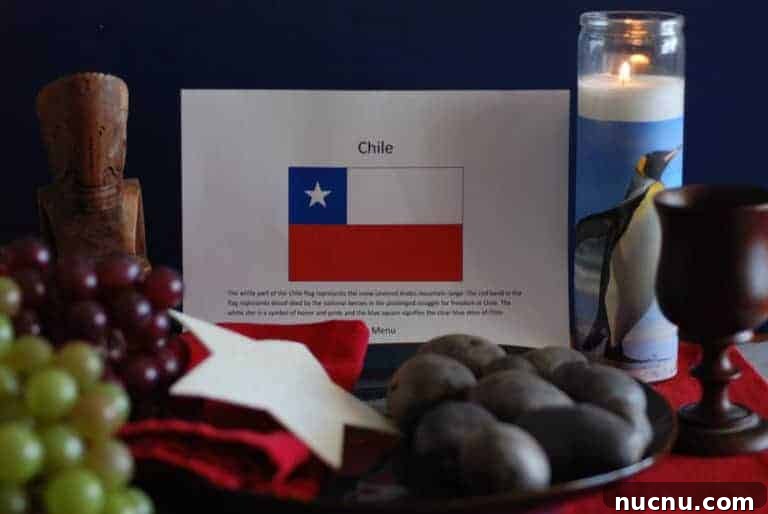
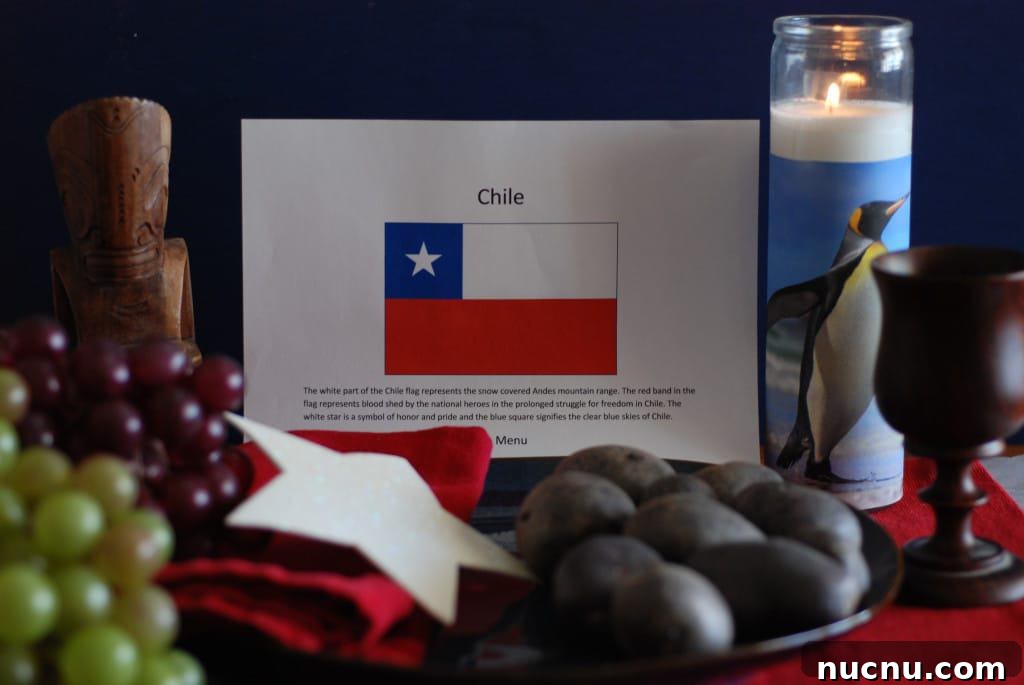
 “The land where the earth ends” is the meaning of a native Aymará word, chilli, which many believe inspired the name Chile. This long, slender country on South America’s western edge stretches along the Pacific and offers dramatic contrasts in landscape and culture.
Chile is one of only two South American countries that does not border Brazil (the other is Ecuador). Nicknamed the “Shoestring Republic,” Chile borders Peru and Bolivia to the north, Argentina to the east, the Pacific Ocean to the west and reaches toward Antarctica in the south.
With one of the world’s longest coastlines—about 2,650 miles—Chile remains narrow: at its widest point it measures roughly 220 miles across.
The Atacama Desert in the north is one of the driest places on Earth; some locations have never recorded measurable rainfall. In contrast, southern Chile is cool and rainy, with glaciers and subpolar landscapes—home to penguin colonies and windswept shores.
Population and agriculture are concentrated in the fertile central valley, where a Mediterranean climate feeds abundant vineyards and cropland and where the capital, Santiago, stands. The towering Andes form the natural eastern border and shape much of the country’s geography and climate.
Spanish, referred to locally as Castellano, is Chile’s official language and is spoken with a fast, melodic cadence that distinguishes it from other Spanish dialects. Indigenous languages such as Aymará and Mapudungu are still spoken by a small portion of the population. Most Chileans are of mixed European and indigenous descent.
Chile has developed a growing middle class and is regarded as an economic leader in South America, attracting immigrants because of its relative political stability and opportunities. The country is also strongly Roman Catholic, and many civic and community celebrations revolve around religious traditions.
Rodeo and soccer are central to Chilean leisure: rodeo remains a cherished traditional sport and soccer is the national passion. The Andes provide excellent skiing and snowboarding, while the Pacific offers surfing, kayaking and abundant fishing—Chile is a natural destination for outdoor and adventure activities.
Chile celebrates National Day on September 18, commemorating the 1810 move toward independence from Spain. Festivities include traditional dances such as the cueca, in which dancers wave white handkerchiefs, along with food, drink and community gatherings.
Chile is a major exporter of seafood and agricultural products. It ranks among the world’s top wine exporters, with more than 100 wineries producing internationally recognized wines. Salmon farming is a significant industry—Chile is one of the largest global exporters after Norway.
The central valley’s fertility supports a wide variety of fruits and vegetables commonly found in international markets. Chile is also mineral-rich, holding a substantial share of the world’s copper reserves and important deposits of lithium, iron, silver, salt, zinc, manganese, gold, coal and iodine.
You may recall the 2010 mining accident that trapped 33 miners nearly 2,300 feet underground; their dramatic rescue after 69 days captured global attention and pride, and they became known as “Los 33.”
Among Chile’s Pacific islands, Easter Island (Isla de Pascua) stands out for its remoteness and cultural heritage. Discovered by a Dutch admiral on Easter Day in 1772, the island is famous for nearly 900 moai—large monolithic statues carved by early inhabitants, thought to represent ancestors and chiefs.
Chile sits on the Pacific Ring of Fire and experiences frequent seismic activity. The country recorded the largest earthquake in modern history in 1960 (magnitude 9.5). Earthquakes are a recurring part of life and have shaped both infrastructure and cultural responses.
The archipelago Tierra del Fuego—“Land of Fire”—lies off South America’s southern tip. Named for the fires of indigenous campfires seen by European explorers, the largest portion of the islands belongs to Chile.
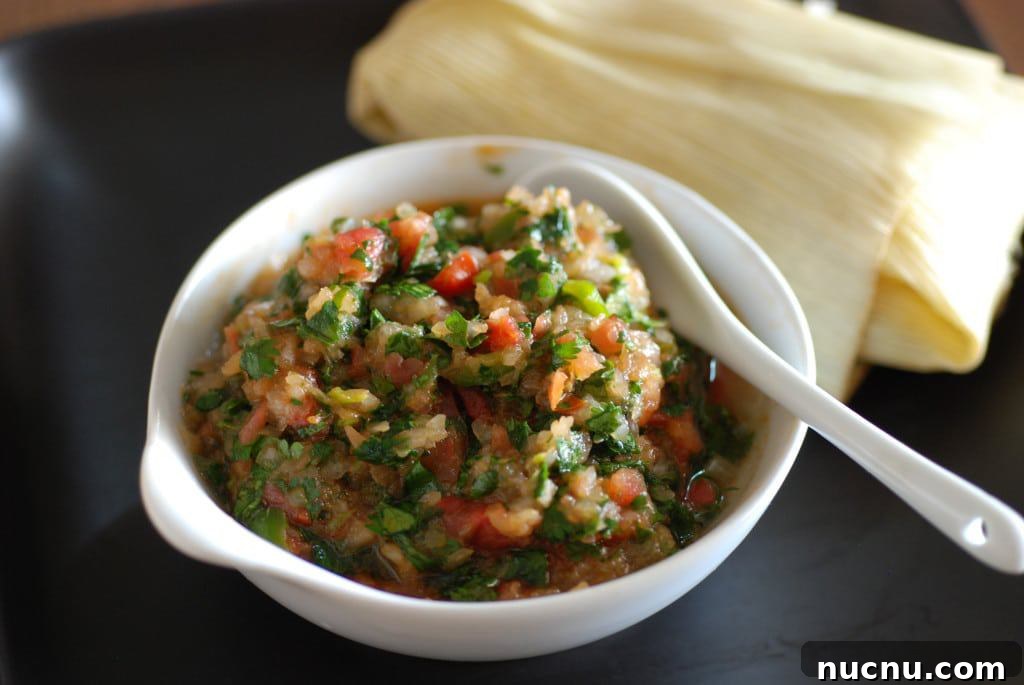
Chilean cuisine reflects regional diversity, indigenous traditions and immigrant influences, particularly Spanish. Corn, potatoes and seafood are staples; pebre, a fresh salsa of cilantro, onion, tomato and chili, is a ubiquitous table condiment. Chileans enjoy multiple meals throughout the day, and dinner is often served late.
Empanadas are a popular snack across South America, and Chile has its own beloved versions. A commonly enjoyed sandwich of German origin is el lomito—pork with sauerkraut, avocado, tomato and mayonnaise. Seafood dishes, including razor clams and a wide variety of fish, are widely enjoyed along the coast.
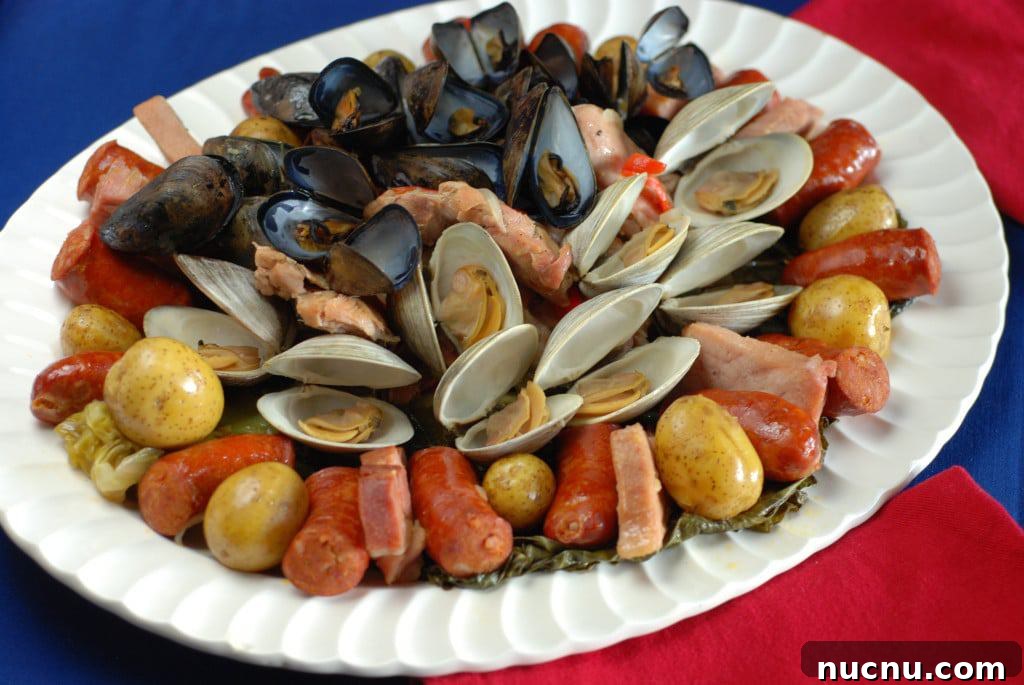
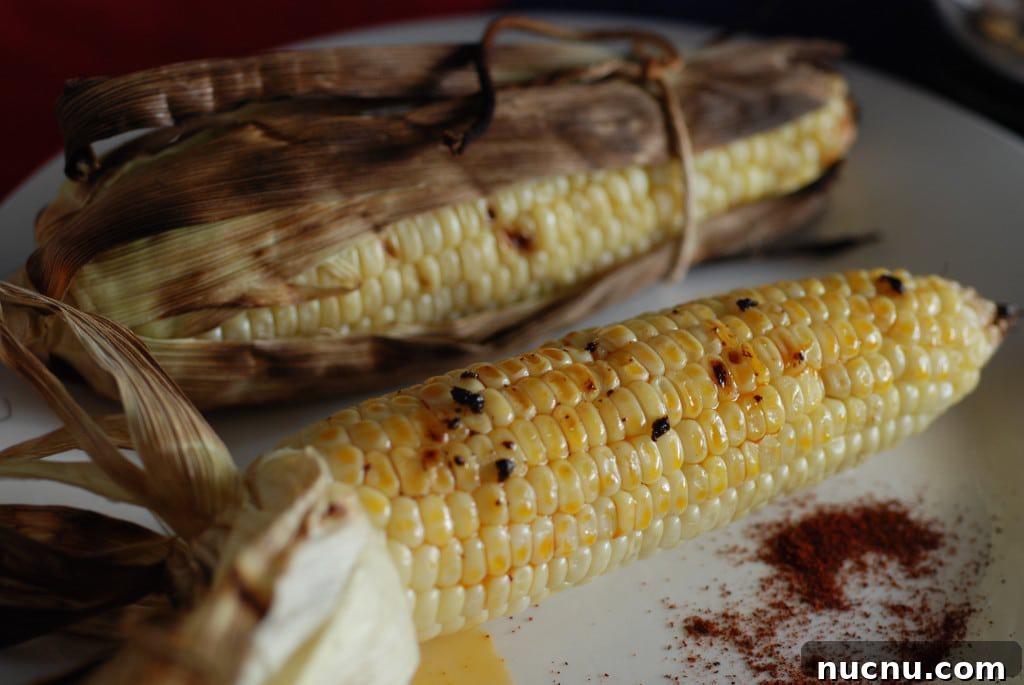
Curanto is a traditional dish from the island of Chiloé that combines seafood, meats, potatoes and vegetables, historically cooked on hot stones in a pit. On special occasions it remains prepared in that traditional way, while stove and grill adaptations are common elsewhere. The result is hearty and rich—often served with corn on the cob and shared among many people.
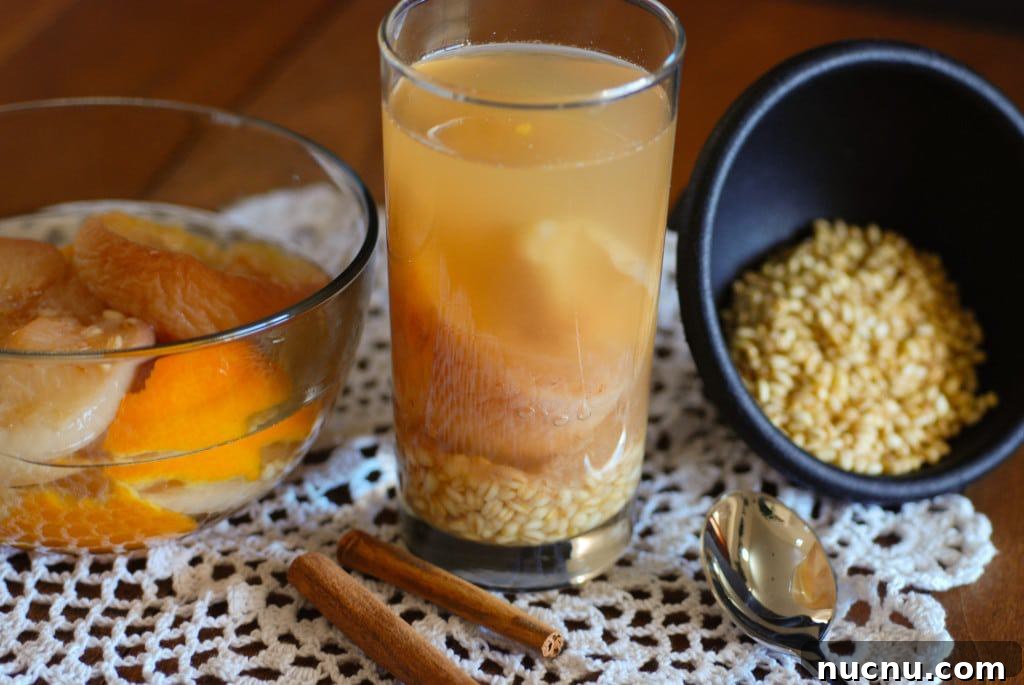
For a popular non-alcoholic refreshment, mote con huesillo pairs rehydrated dried peaches with cooked wheat in a lightly sweetened, chilled liquid—sold by street vendors and beloved across the country. There is even a local saying that highlights how quintessential the drink is to Chilean identity.
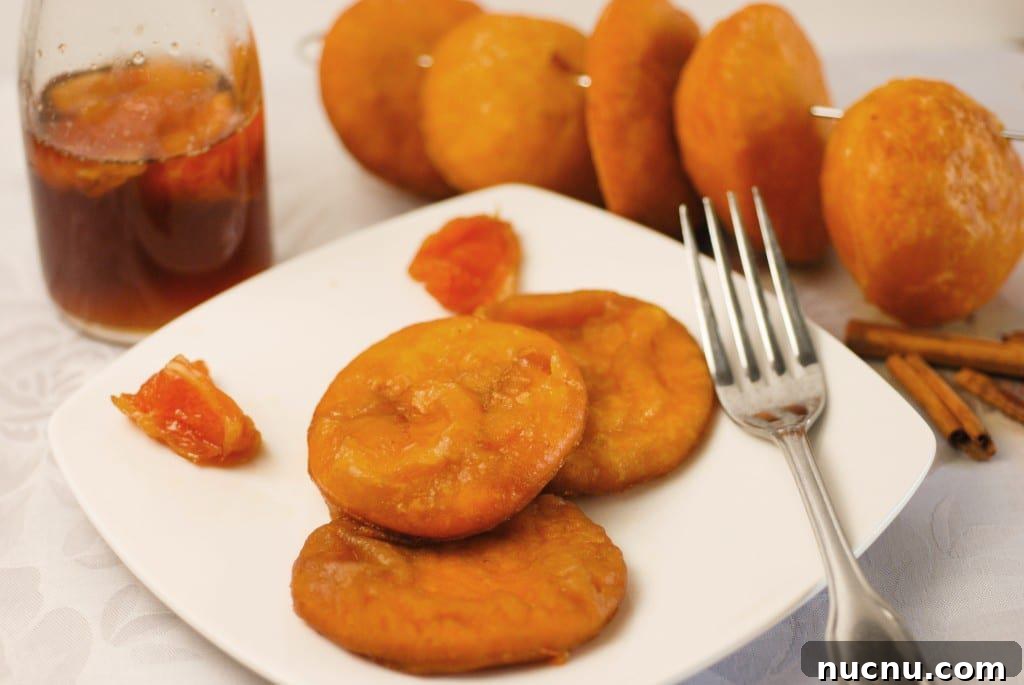
Desserts include sopaipillas, which can be savory or sweet. The sweet version is a fried dough often served with syrup and cinnamon; the savory type is commonly eaten as bread, sometimes topped with butter or pebre.
Pisco, a grape brandy produced in valleys such as Elqui, is a national spirit. Popular cocktails include the piscola (pisco with cola) and the pisco sour, a frothy mix of pisco, citrus, sugar and egg white often presented as Chile’s signature drink.
Social customs emphasize national pride: many Chileans place strong importance on being Chilean above other ancestral ties. At weddings, both partners traditionally keep their family surnames. Guests invited to Chilean homes are typically expected to arrive a little late and to bring a small gift such as flowers or a dessert wine. The common toast, “Salud,” means “Cheers.” When pouring wine, using the right hand is preferred.
Some Chilean proverbs capture cultural values: “Al que habla, Dios lo oye” (God hears the person who speaks); “Perro que no camina, no encuentra hueso” (You can’t succeed if you don’t try); and “Dime con quien andas y te diré quién eres” (Tell me who you walk with and I’ll tell you who you are).
Warm regards,
Darlene
P.S. A small bonus: a visiting exchange student from Chile, Rodrigo, inspired a home-cooked Pastel de Choclo—beef and corn pie—one of the many comforting dishes that evoke Chilean home cooking. His enthusiastic appreciation—calling it “just like home”—was the best compliment.
The Menu
Starter
Humitas (Corn Tamale)
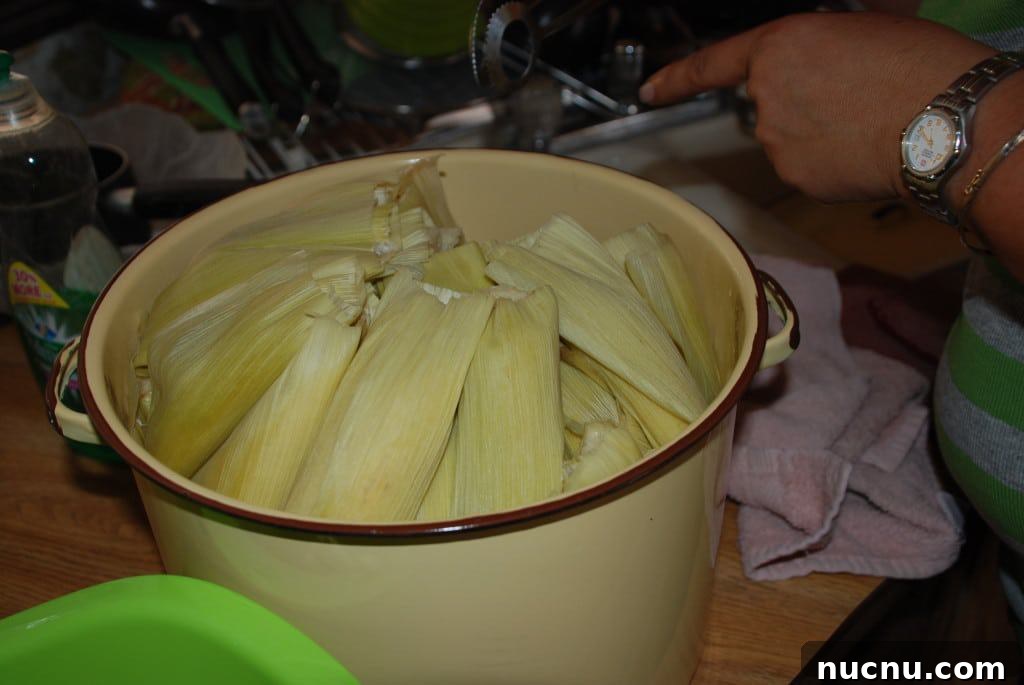
with Pebre (A Chilean salsa)
Mote Con Huesillos (A wheat and peach drink)
Main Dish
Chilean Curanto (Seafood and meat cooked on hot stones)
Served with
Corn on the cob, Chilean Style
Dessert
Sopaipillas (Chilean doughnut)
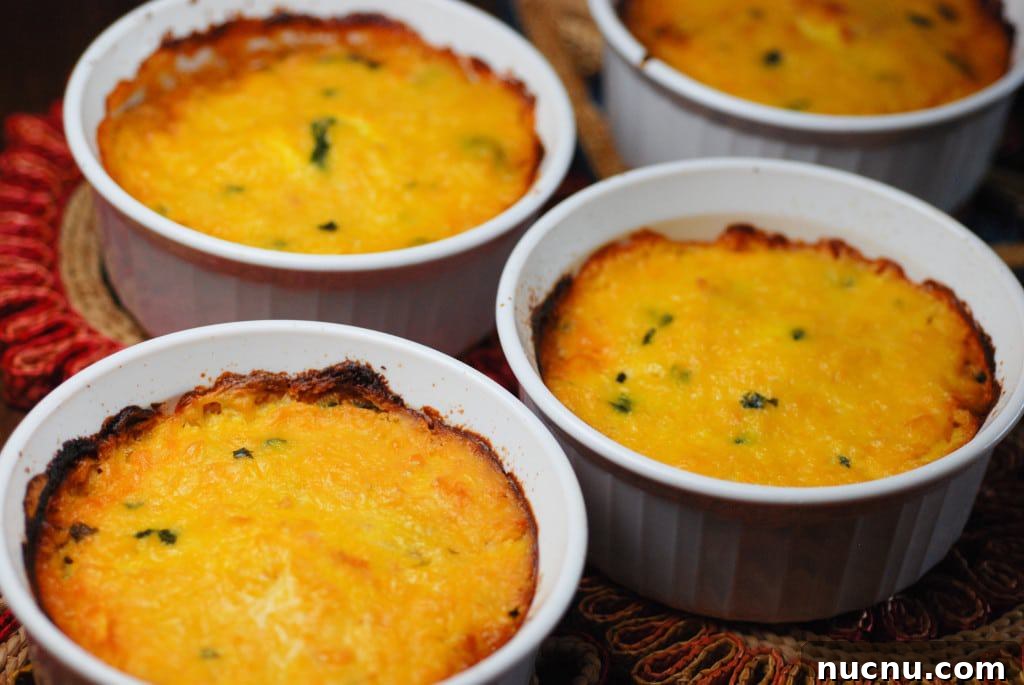
Pastel de Choclo (Beef and Corn Pie)