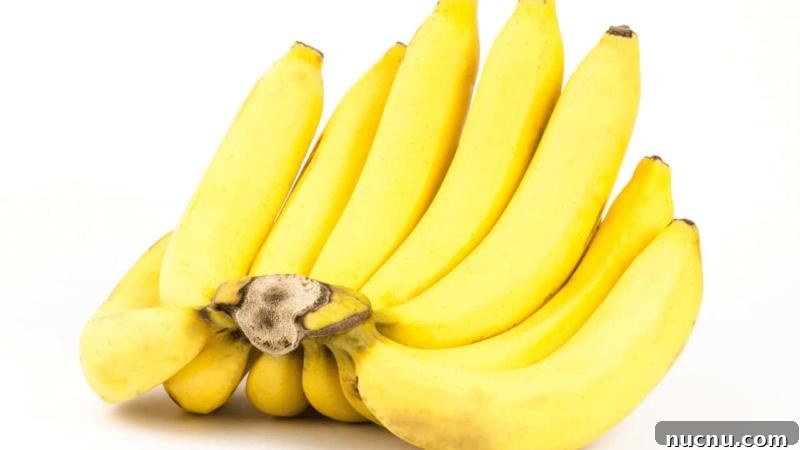
What Color is a Ripe Banana?
Bananas are rich in potassium and make a convenient, healthy snack or breakfast option. They come in several stages of ripeness, and each stage affects taste, texture, and nutritional qualities.
Many people ask, what color is a ripe banana? While the basic answer is familiar, misunderstandings persist about when a banana is at its best for flavor or health.
Buying bananas green can be wise if you don’t plan to eat them immediately, and bananas remain safe to eat after they begin browning. However, if your goal is the best balance of flavor and nutrition, eat them when they are perfectly ripe.
Table of Contents
What Color is a Ripe Banana?
A perfectly ripe banana is bright yellow with a slightly firm texture and offers many nutrients. Green bananas are unripe and firmer, making them better for blood sugar control and longer satiety. Bananas that develop brown spots are often the most flavorful, while fully brown or black bananas are overripe and better suited for baking.
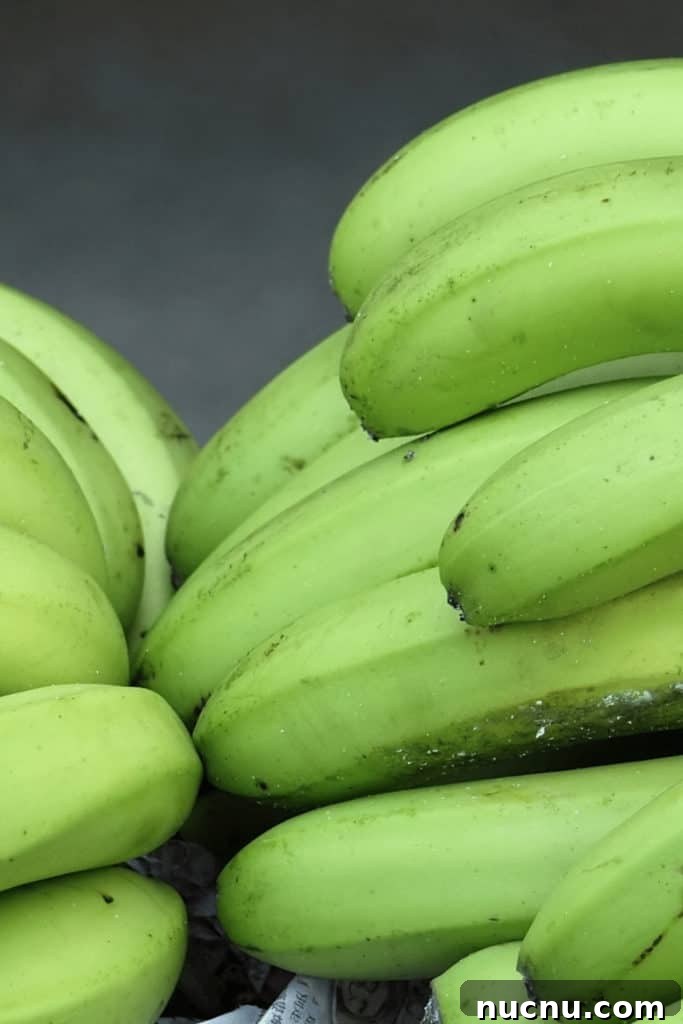
Green bananas are not yet ripe
Green bananas are firm and high in starch. They haven’t converted their starches into sugars, so they taste less sweet and have a lower glycemic index. That lower glycemic load can be helpful for people managing blood sugar. The firmer texture and resistant starch also help provide longer fullness between meals.
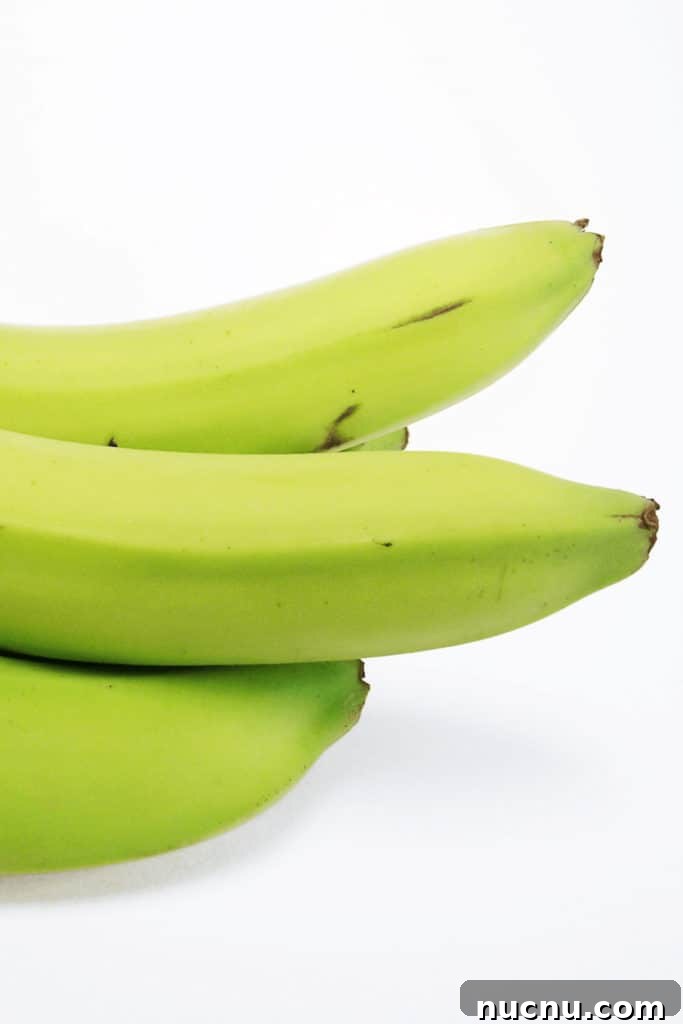
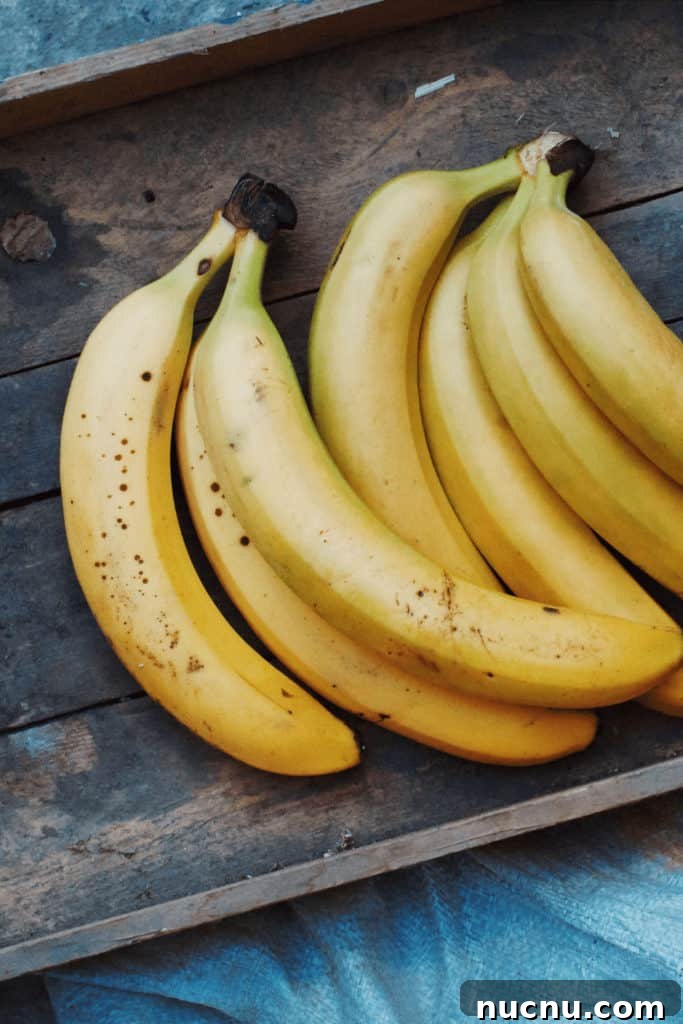
Ripe bananas have a bright yellow color.
When a banana reaches peak ripeness it turns bright yellow and remains slightly firm to the bite. This stage offers a good mix of sweetness, texture, and nutritional value. Ripe yellow bananas are easier to digest and contain antioxidants like dopamine and vitamin C, as well as fiber and potassium. For most people, this stage provides the best combination of taste and health benefits.
Yellow bananas with brown spots are the tastiest
As bananas develop brown spots they become sweeter and softer because starches convert to sugars. While some nutritional components start to decline, spotted bananas still provide antioxidants and are often considered the most flavorful and tender. The increased sugar content makes them less suitable for people who need tight blood sugar control, but ideal for eating fresh or blending into smoothies.
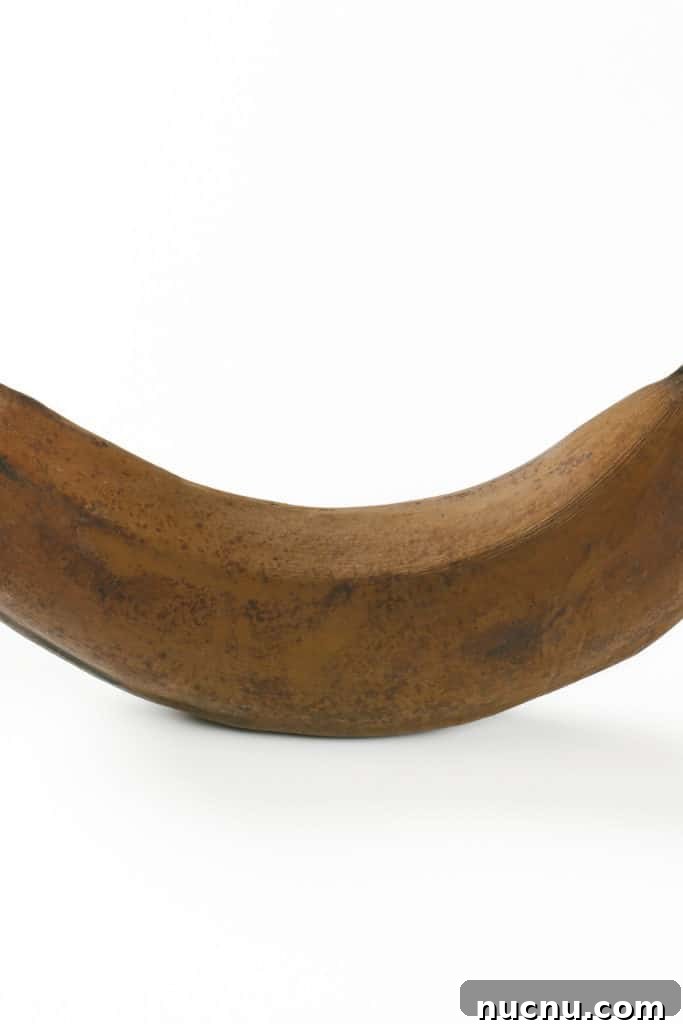
Brown bananas are overripened
When a banana turns mostly brown it is overripe. The texture is soft and the flavor is very sweet. Overripe bananas are excellent for baking—banana bread, muffins, and pancakes—because their sweetness and softness blend well into batters. Avoid using bananas that show signs of mold. For everyday eating, fully brown or black bananas are less appealing, though still safe if they are not moldy.
Why ripening bananas change color
Unripe bananas are green from chlorophyll and store energy as starch. As they ripen, chlorophyll breaks down and ethylene gas triggers enzymatic changes that convert starch into sugars. That transformation softens the fruit, increases sweetness, and changes the peel from green to yellow and eventually to brown as pigments change and cell walls break down.
How to make your bananas ripen
To speed ripening, place bananas in a warm spot, such as on top of the refrigerator or in a paper bag with an apple or another ripe banana to trap ethylene gas. Baking accelerates browning and softening quickly, which is useful only when you intend to use the fruit for baking. To slow ripening, keep bananas on the countertop away from direct heat or refrigerate ripe bananas—the peel will darken in the fridge but the flesh stays firmer longer.
Frequently Asked Questions About What Color is a Ripe Banana
Which bananas are the healthiest?
Ripe yellow bananas deliver the most antioxidants and are easier to digest, making them a good choice for heart and digestive health. Green bananas contain resistant starch and have a lower glycemic response, which can benefit blood sugar control. Both stages offer healthful nutrients depending on your goals.
What are black bananas called?
Bananas that turn black are generally considered overripe or spoiled if mold is present. Some varieties, like plantains when fully matured, develop very dark peels and are used cooked. For typical dessert bananas, a black peel usually indicates they are best used for baking or should be discarded if moldy.
Conclusion About What Color is a Ripe Banana
Ripe bananas are bright yellow, but the ideal stage depends on personal preference and dietary needs. Green bananas suit those managing blood sugar or seeking more satiety, bright yellow bananas offer the best balance of nutrition and flavor, and spotted or brown bananas are sweeter and perfect for baking. Choose the stage that fits your taste and use.