Resistance bands are a simple, effective strength-training tool that can complement or replace dumbbells. Discover the benefits of resistance bands, how to use them in workouts, and which types are worth buying.
As a personal trainer and women’s health specialist with decades of experience, I can attest that resistance bands are one of the most versatile pieces of equipment you can own. They deliver measurable results for strength, mobility, and overall fitness in a compact, low-cost package.
These lightweight, colorful bands can enhance flexibility, build strength, and add variety to your routine—whether you train at home, in a hotel room, or at the gym.
Below are ten key benefits of resistance bands and practical guidance for getting started and choosing the right bands for your needs.
1. Enhances Flexibility and Mobility
Resistance bands are excellent for stretching and mobility work. They let you apply controlled tension to deepen stretches and access tight or hard-to-reach muscles. That makes bands ideal for warm-ups, cooldowns, and mobility drills that improve joint range of motion and functional movement patterns.
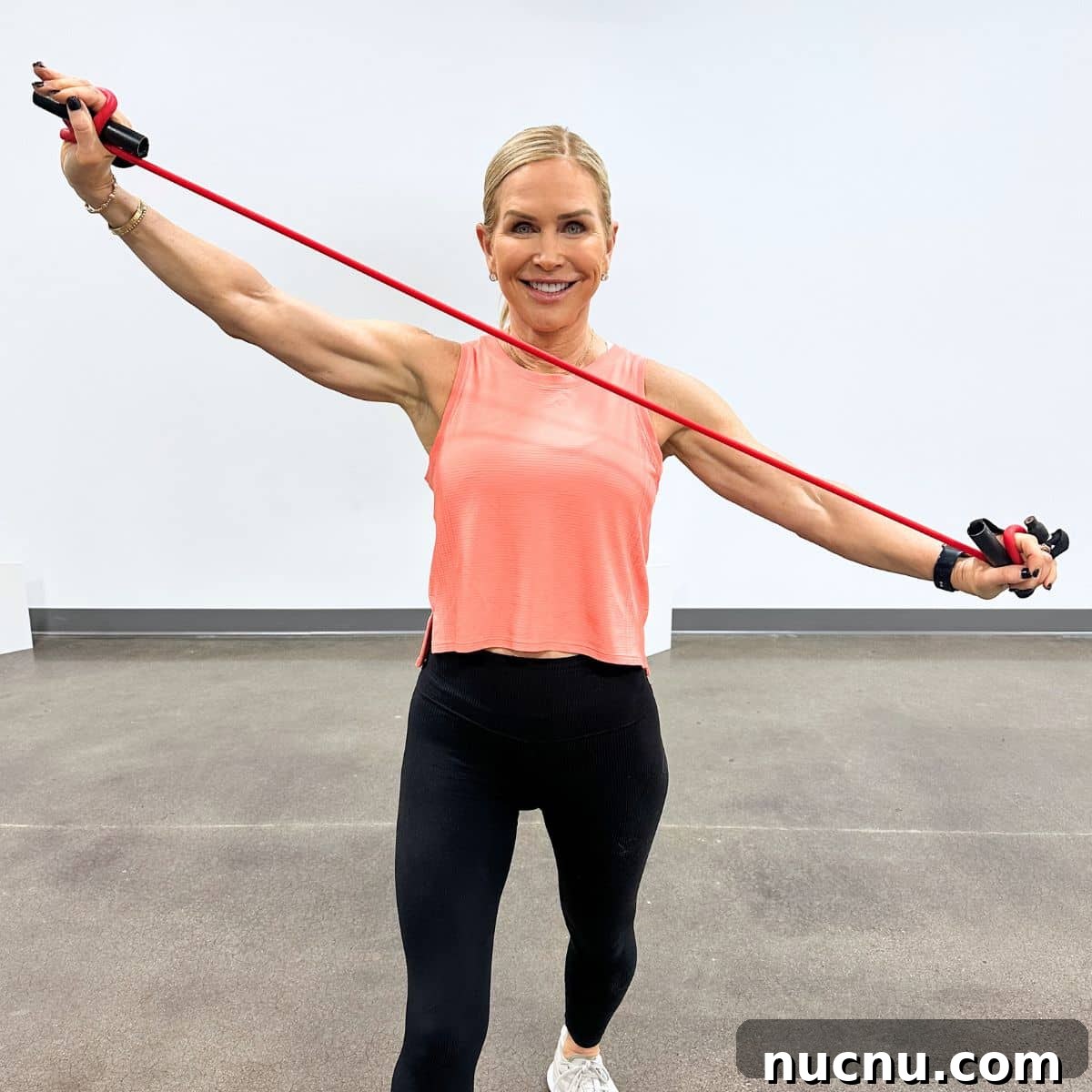
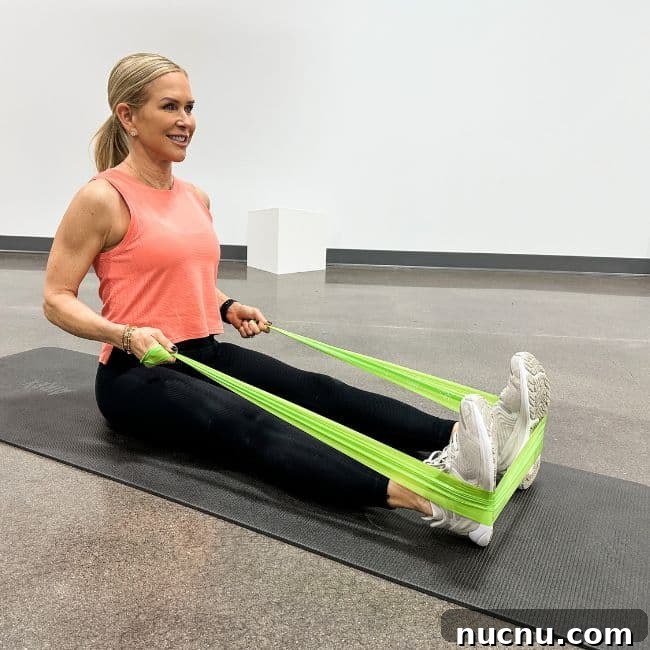
A long band is particularly useful for shoulder mobility: hold an end in each hand with light tension, bring your arms overhead and back while maintaining tension, then return to the front—moving slowly and with control.
2. Boosts Strength Without Heavy Weights
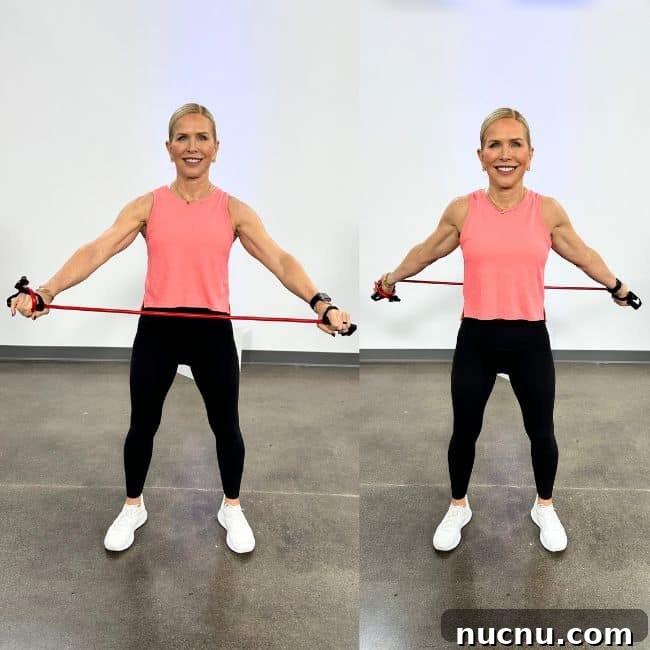
Resistance bands create continuous tension through the full range of motion, which challenges muscles differently than free weights. You can build strength with banded squats, presses, rows, and other moves without needing heavy dumbbells. Bands are an excellent option when space, budget, or equipment access is limited.
3. Activates the Core for Better Stability and Balance
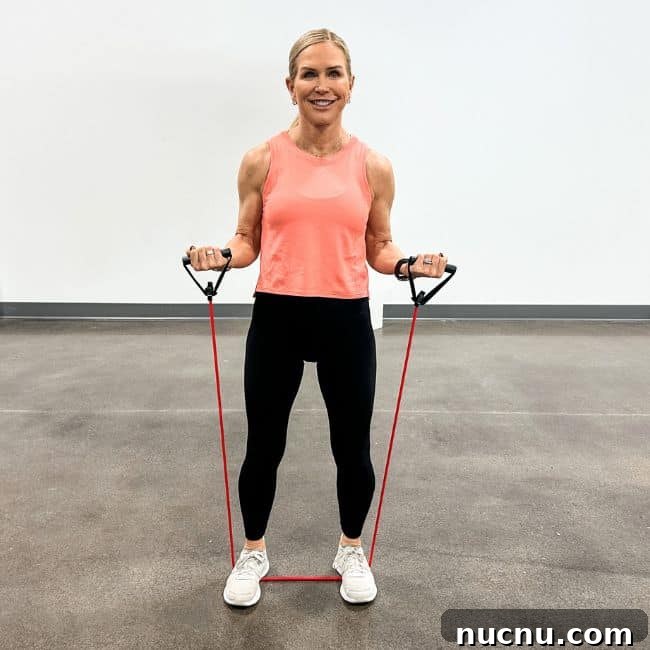
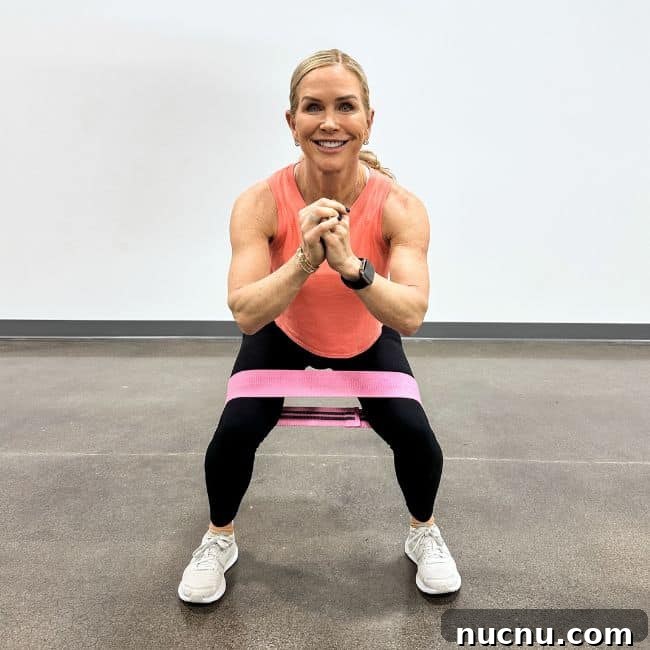
Many band exercises require control and stabilization, which naturally engages the core. Moves such as banded lunges, squats, and rows force your midline to work to maintain posture and balance. Over time this improves coordination, reduces injury risk, and helps build functional strength for everyday activities.
4. Perfect for Workouts On the Go
Resistance bands are lightweight, packable, and easy to carry. A small set fits in a suitcase or gym bag, letting you do a full-body workout anywhere—hotel room, park, or backyard. For travelers and people with busy schedules, bands are one of the most convenient training tools available.
5. Improves Mental Focus and Brain Function
Resistance training requires concentration, coordination, and intentional movement. These demands engage the brain, reinforce the mind-muscle connection, and can support cognitive function—especially valuable as we age. Using bands in purposeful practice can sharpen focus and reduce mental fog.
6. Cost-Effective For a Home Gym
Compared to free weights or membership fees, resistance bands are an affordable way to add resistance training to your routine. With one compact kit you can perform dozens of exercises and progress by using bands with different resistance levels, making them an excellent value for home gyms.
7. Safer and More Compact than Weights
Bands are safer to store and use in small spaces than heavy dumbbells. There’s no risk of dropping metal weights, and bands tend to be gentler on joints, offering low-impact options for those recovering from injury or starting a new strength program.
8. Supports Pull-Up Progression
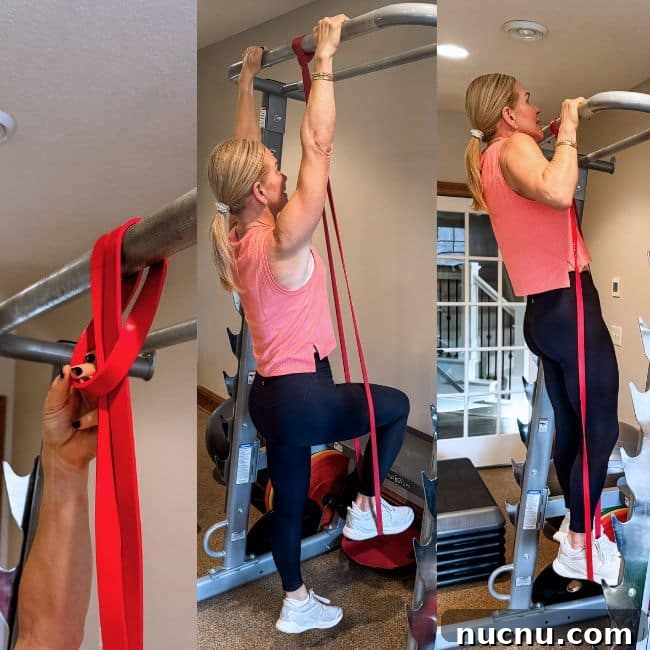
Assistance bands are a tried-and-true method for building toward unassisted pull-ups. Loop a band over a bar and place your knee or foot in the band to reduce the load as you practice the full pull-up motion. Gradually move to lighter bands as you get stronger until you can perform pull-ups without assistance.
9. Ideal for Rehabilitation and Physical Therapy
Physical therapists and clinicians often use bands because they allow for controlled, progressive, low-impact strengthening. Bands are gentle on muscles and joints, making them suitable for recovering from injury, post-surgery rehab, or managing chronic pain. They are especially useful for targeted work like knee stabilization and shoulder mobility.
10. Adds Variety and Fun to Your Workout
Resistance bands make training more creative. From circuits to Pilates-inspired moves, bands expand exercise options and keep workouts fresh. Their versatility encourages experimentation and makes it easier to stay motivated over the long term.
Getting Started with Resistance Bands
Resistance bands are durable elastic strips—usually latex or fabric—available in different resistance levels. Loop-style bands are great for lower-body work; tube-style bands with handles suit upper-body and full-body movements; flat therapy bands are ideal for rehab and stretching.
Color coding typically indicates resistance level, but one band color doesn’t directly equal a specific dumbbell weight. Bands provide variable tension that increases as you stretch them, so choose a band that causes muscle fatigue around 15–20 reps for most strength-focused sets. Having a few resistance levels lets you match intensity to the exercise and muscle group.
Resistance Bands vs. Dumbbells
Bands and dumbbells offer different loading patterns. With weights you work against gravity and experience a consistent load on the concentric phase, often less tension on the eccentric. Bands create tension both when you push and when you return, challenging muscles through the entire motion and better simulating many real-life actions—lifting, throwing, or twisting. Both tools have value; bands excel at portability, versatility, and functional movement training.
Which Resistance Bands to Buy
Consider a few basic types so you can mix and match for different goals:
- Loop bands (non-slip fabric): Best for Pilates, barre, and lower-body work. Fabric loops are comfortable on the legs.
- Bands with handles (tube bands): Great for full-body workouts and upper-body strength; easy to travel with.
- Light bands with padded handles: Ideal for older adults or those recovering from injury—gentle on joints.
- Home gym kits with anchors or a bow system: Useful if you want a broader home-gym setup and more exercise variety.
- Pull-up assistance bands: Thick loop bands designed to help progress toward unassisted pull-ups.
- Flat therapy bands: Best for rehab, yoga, Pilates, and stretching where a gentler, flatter surface is helpful.
Who Should Use Resistance Bands?
Nearly everyone can benefit from resistance bands. They’re adaptable to many fitness levels and goals, including:
Those Looking to Build Muscle
Bands provide a unique stimulus that complements traditional lifting and can be added to compound movements to increase intensity and neuromuscular demand.
People Focused on Weight Loss
When combined with a balanced diet and cardio, band circuits can raise heart rate, build lean muscle, and support calorie burn.
Older Adults
Bands are a safe, effective option for preserving muscle, improving strength, and supporting bone health without heavy loading.
Athletes
Athletes benefit from bands for power, agility, and sport-specific movement training as well as injury prevention work.
Pregnant Women
Bands offer low-impact resistance that can help maintain strength and mobility throughout pregnancy when used with appropriate modifications and medical clearance.
Ready to Give Resistance Bands a Try?
Resistance bands are affordable, portable, and adaptable—making them an excellent addition to any fitness program. Whether your goal is strength, mobility, rehab, or variety, bands can meet you where you are and grow with you. If you have questions about selecting bands or designing band workouts, I’m happy to help.
| Product Image | Product Name | Primary Button |
|---|---|---|
|
|
|
|
|
|
|
|
|
|
|
|
|
|
|
|
|
|
|
|
|
|
|
|