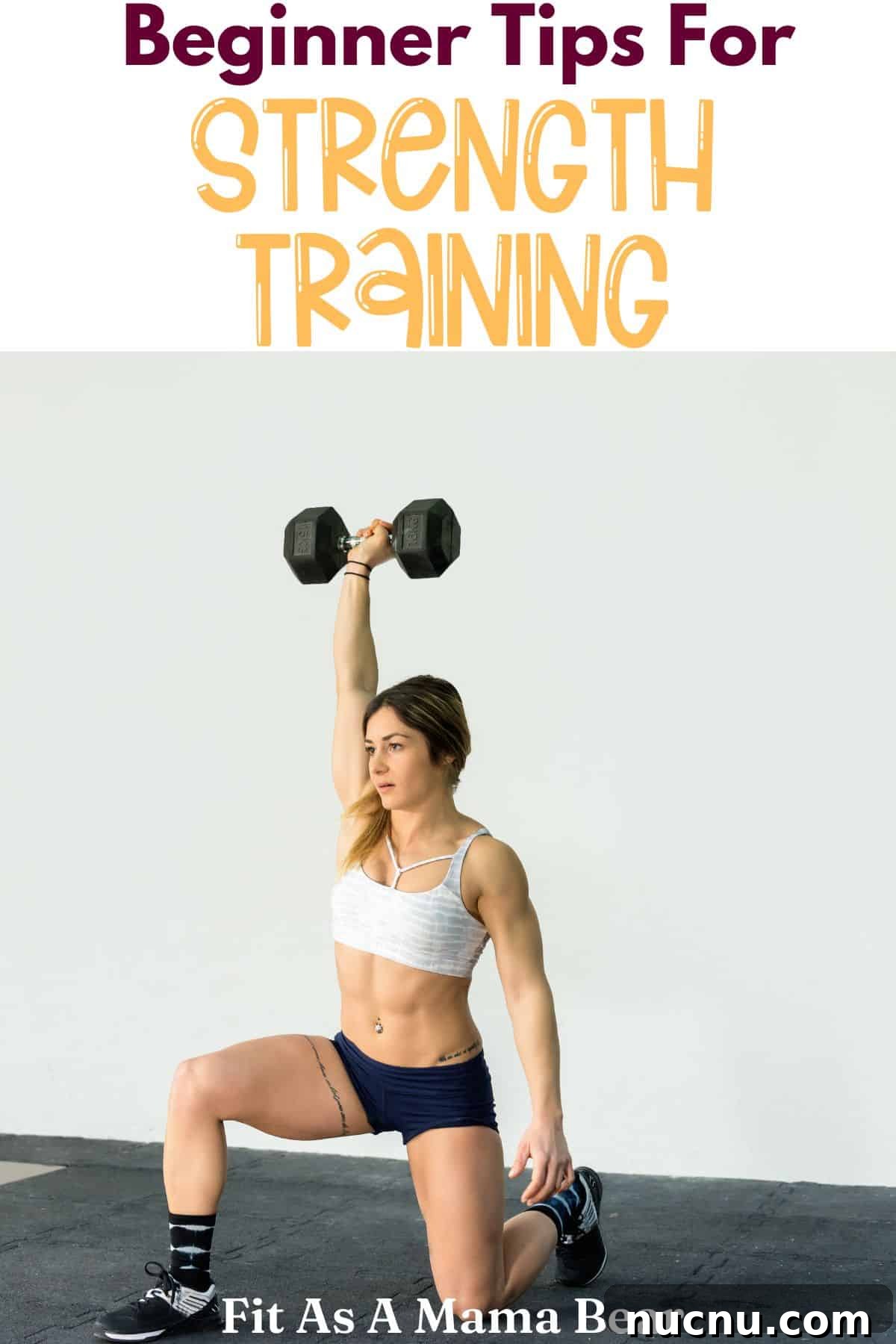
Want to get stronger, move better, and build muscle without a gym membership? These beginner-friendly Strength Training Tips explain how to start at home, what exercises to prioritize, how often to train, and how to keep your routine simple so you actually stick with it.
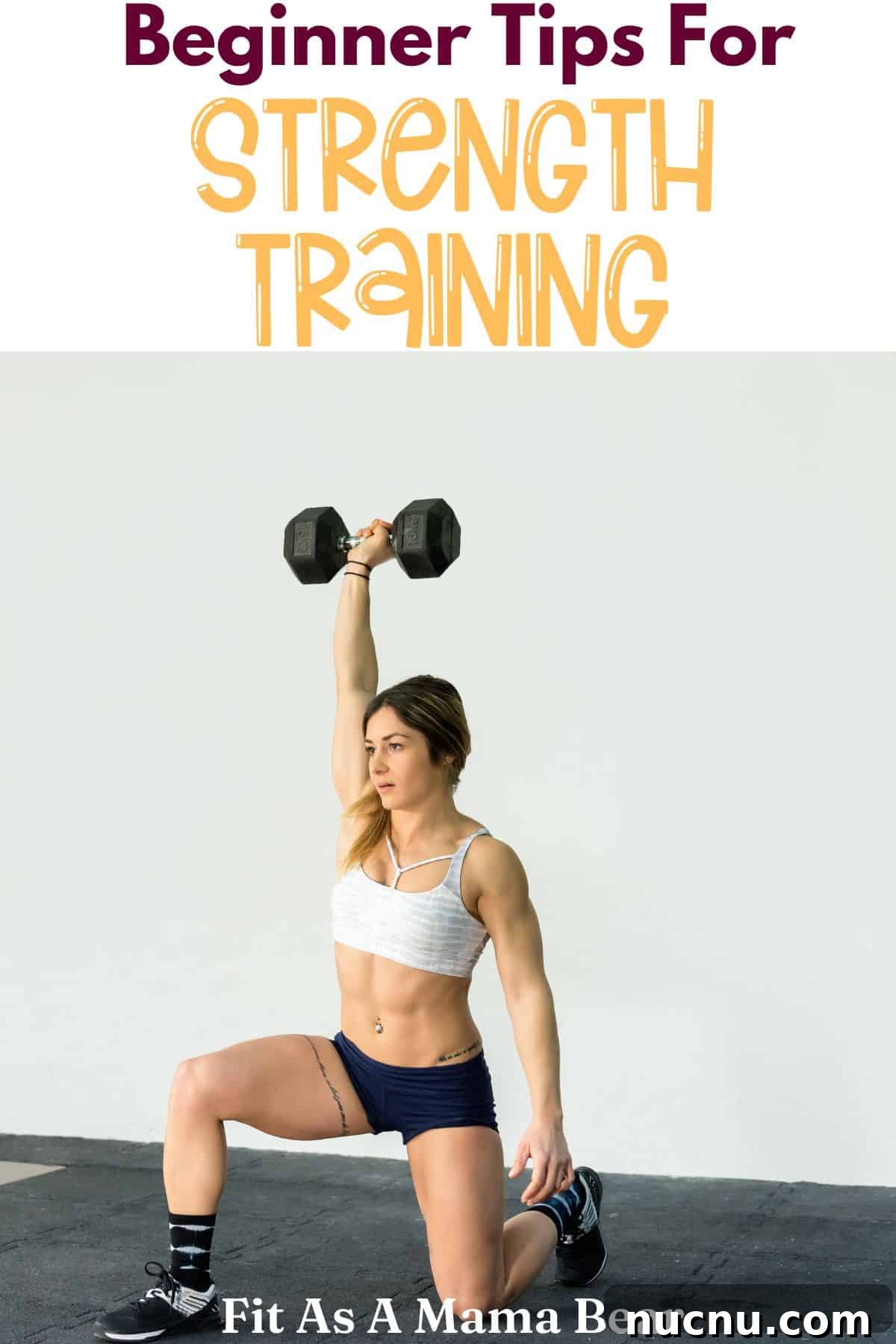
Strength training at home uses bodyweight and simple tools like dumbbells or bands to build muscle, increase strength, and support long-term health.
Don’t let the idea of strength training intimidate you — it’s one of the most impactful habits for overall health, yet often overlooked. From more energy to better mobility and resilience as you age, resistance training delivers big benefits.
The secret is not doing everything at once, but following a simple, consistent plan. Random workouts rarely produce results; a structured approach does.
Use the tips here to shape your own routine or follow a short program that removes guesswork and helps you progress safely and effectively.
How to Start Strength Training as a Beginner (At Home)
If strength training feels confusing, you’re not alone. Advice varies everywhere — what to do, how often, and what equipment you really need.
The truth is you don’t need a gym, a barbell, or a complicated routine to get stronger. A couple of basic tools (dumbbells or bands), a small space, and a straightforward plan are enough.
Strength training isn’t about lifting the heaviest possible weight. It’s about moving with control and using progressive resistance so muscles adapt and become stronger over time.
Feeling busy, unsure, or intimidated is normal. Start small — consistent, sustainable progress matters more than trying to do everything at once.
7 Strength Training Tips For Beginners (that actually help you start)
Starting strength training doesn’t need to be overwhelming. These practical tips will help you build a reliable foundation and skip the confusion.
1. Take the Time to Nail Down Proper Form
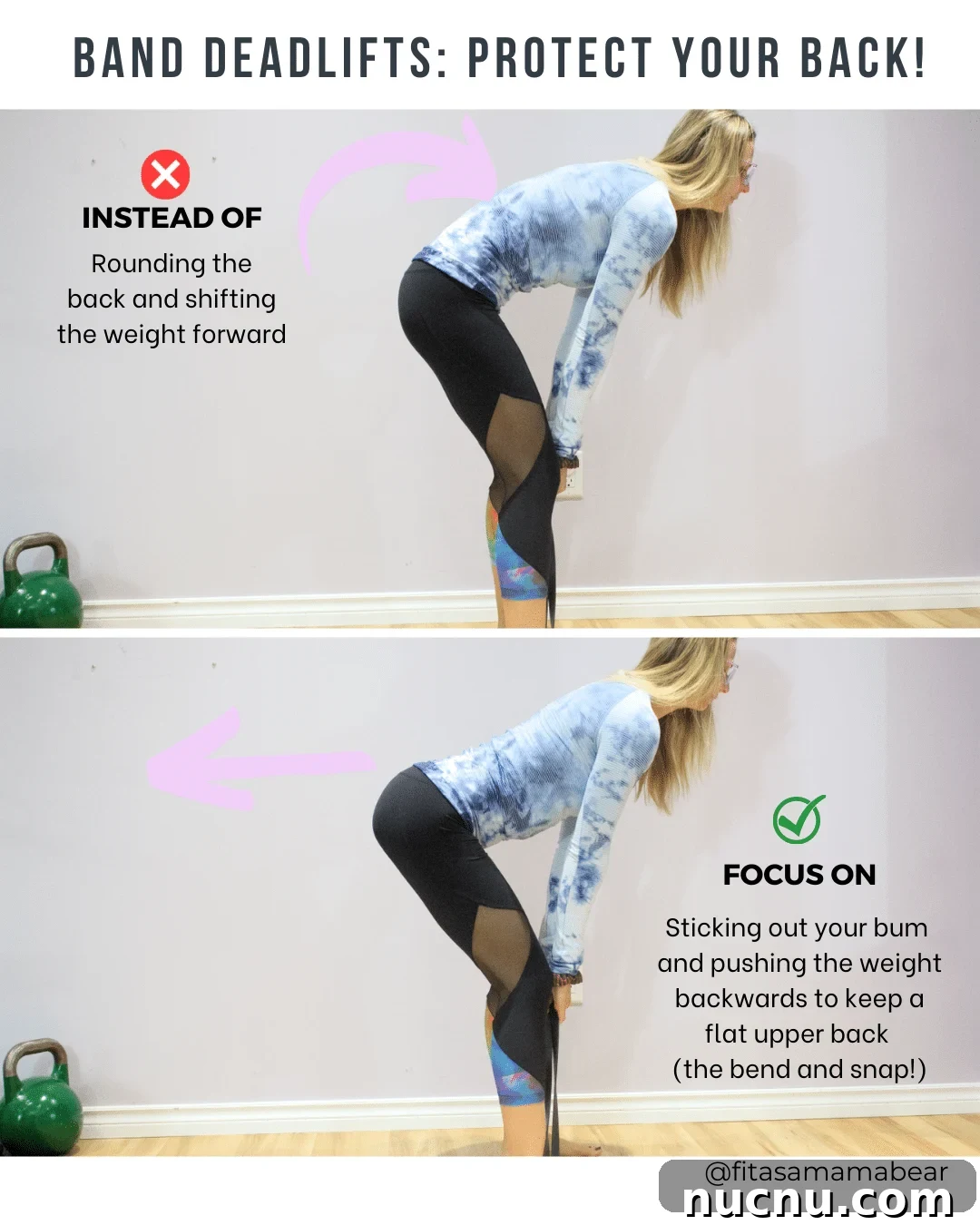
Before adding weight or bands, learn the movement and which muscles should be working. Master bodyweight versions of key moves to reduce injury risk and build control.
Practice basics such as hip hinges and push-up progressions until the movement feels natural. Once comfortable, add resistance while keeping form strict.
2. Start With Full Body Workouts
If you’re new, aim for 2–3 full-body sessions per week. Full-body workouts train multiple muscle groups efficiently and are easier to recover from early on.
Even experienced lifters benefit from full-body training—especially when time is limited. After building a base, you can progress to split routines, but it’s not necessary initially.
Consistency matters more than variety in the beginning. Choose simple full-body routines and stick with them for several weeks.
- Fast full-body workouts at home
- Full-body superset sessions
- No-equipment full-body routines
- Full-body dumbbell strength workouts
- One-dumbbell full-body options
3. Always Have a Plan
Don’t waste time deciding what to do mid-workout. A simple structured routine removes guesswork, reduces decision fatigue, and improves consistency.
Follow a plan for several weeks before changing it. This helps you track progress and make smarter adjustments.
Sample routines to try:
- Dumbbell leg workout for beginners
- One-dumbbell HIIT session
- Tricep-focused at-home workout
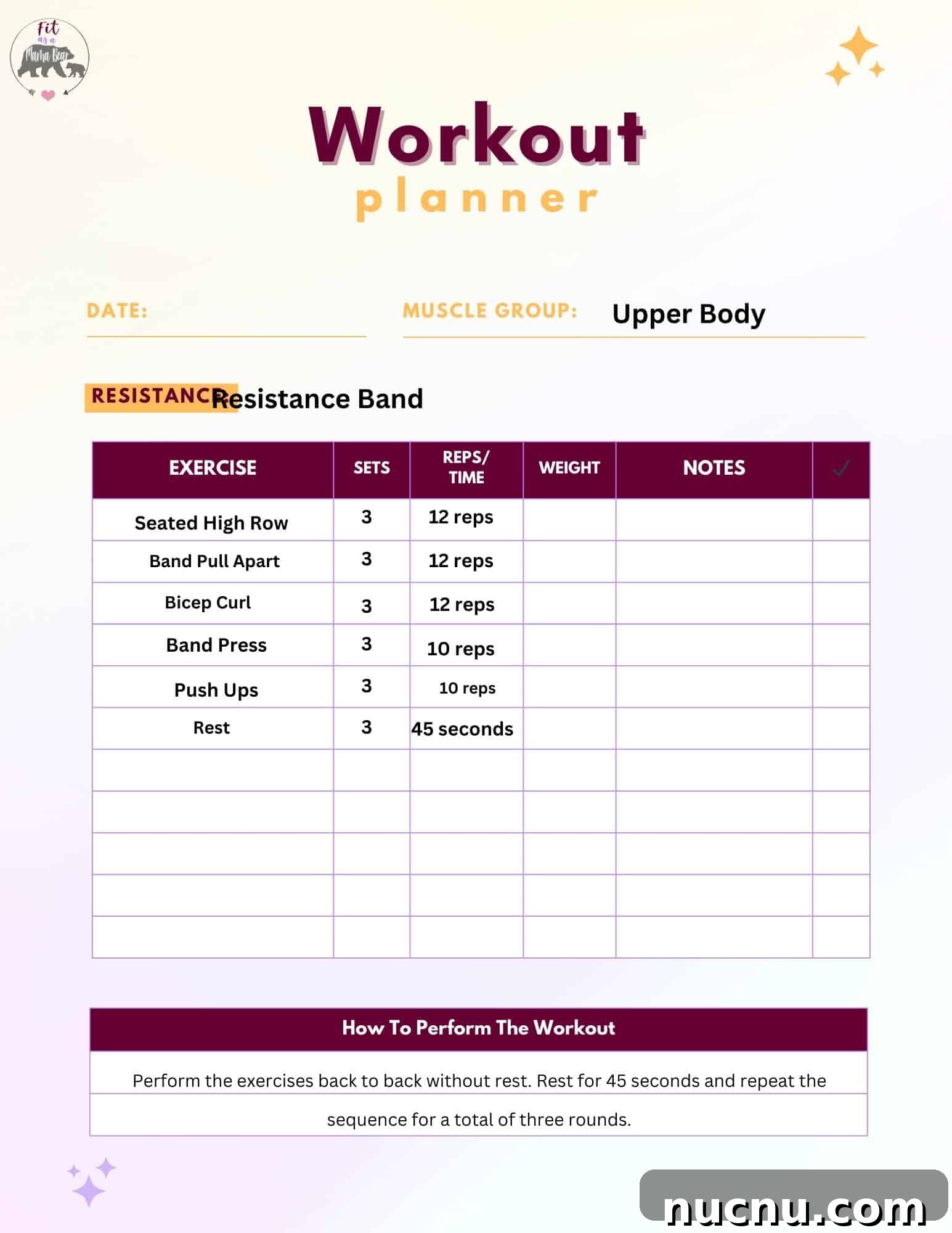
- Full-body resistance band routine
4. Don’t Overdo It on Volume
A common beginner mistake is skipping rest. Muscles and the nervous system need recovery to adapt. More training isn’t always better — without recovery, progress stalls and burnout follows.
If you’re excited to train more, structure it so rest and mobility are built in. Use mobility drills on off days to support movement quality and recovery.
A balanced beginner split example:
| Monday | Strength Training |
| Tuesday | Rest |
| Wednesday | Strength Training |
| Thursday | Mobility |
| Friday | Rest |
| Saturday | Strength Training |
| Sunday | Rest |
5. Progress Slowly
Begin with 8–12 reps for 1–2 sets per exercise. When that becomes manageable, increase weight, reps, or movement control gradually.
The aim is consistent, gradual overload — not rapid jumps to heavy weights. Beginners often progress quickly, especially in the first months, as neuromuscular efficiency improves.
Tip: Mild soreness can happen, but feeling wiped out after every session is unnecessary. Prioritize form and steady progression over chasing soreness.
6. What Dumbbell Weight Should Beginners Start With?
You don’t need fancy equipment to begin. A set of dumbbells plus a band or two covers most needs for home strength work.
A common recommendation for many women is to start with 8–15 lb dumbbells, with 15 lb a good general starting point for many leg exercises. If a movement requires less, you can use a single dumbbell or a lighter pair.
Choose weights that let you complete your target reps with good form while feeling challenged on the last few reps.
6. Switch It Up Every 6-ish Weeks
Your body adapts quickly. If a routine feels easier after about six weeks or progress stalls, change something to continue improving.
Ways to progress: add weight, change exercise variations, include paused reps, or alter tempo with isometrics or slower eccentrics.
7. Master Basic Beginner Exercises
Beginners often start with isolation moves that won’t build broad, functional strength as efficiently as compound exercises. Prioritize foundational lifts before adding accessory work.
Core movements to rotate into your programs include:
- A squat variation
- A horizontal or vertical row to support posture
- A hinge or glute-focused movement
- A pushing movement (press or push-up variation)
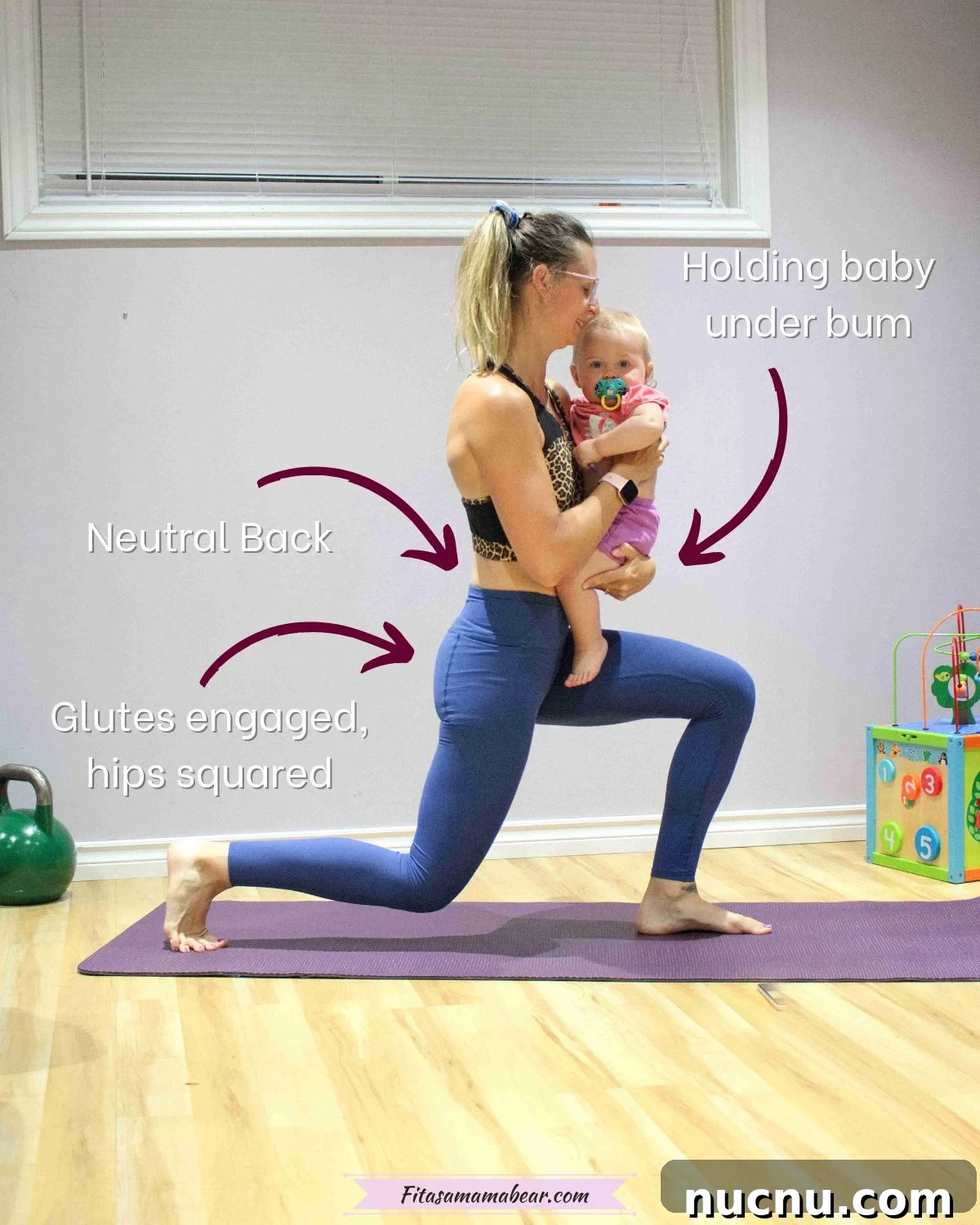
- A lunge or unilateral exercise to address imbalances
How To Start (without overthinking it)
If you’re unsure how to structure everything, keep it straightforward:
- Start with 2–3 full-body workouts per week
- Choose 4–6 exercises per session
- Focus on basic movements: squats, pushes, pulls, and hinges
- Follow the same routine for a few weeks before changing it
What Equipment Do I Actually Need to Start?
Not much. A few basic items let you progress a lot at home.
Useful starter gear:
- A pair of dumbbells (8–15 lbs is a common starting range)
- A long resistance band and mini band for warm-ups and glute work
- A yoga mat or soft surface for floor exercises
- A chair, bench, or low step for dips and split squat variations
With just a small selection of equipment, you can build strength and progress steadily.
Ready to Start Strength Training Without Guessing?
If you’re tired of piecing workouts together and want a clear, simple approach, follow a short, consistent program that prioritizes the basics and builds progress over time.
- Short workouts that fit into busy schedules
- Simple structure to keep you consistent
- Progress that focuses on form and gradual overload
Helpful Resources
- How to start working out as a mom
- Posterior chain exercises for moms
- What functional strength means
- 25+ home workouts for weight loss
- Fitness goals beyond weight loss
- 6-week fat-loss workout plan
Also remember to fuel your recovery after workouts with a protein-rich snack or shake to support muscle repair.
Strength Training At Home For Beginners FAQs
Master bodyweight versions of exercises first, then add resistance gradually. Aim for 3–4 sessions per week of around 20–30 minutes with adequate rest between sessions.
Include variations of squats, rows, presses, hip hinges, and core work for balanced, efficient training.
Strength training supports heart health and calorie burn, so if time is limited, lifting alone is effective. Cardio adds benefits for endurance and stress relief — walking is a great starting point.
Yes. With consistent progressive overload using dumbbells or bands, you can build strength and muscle without a gym.
No. Occasional soreness is normal when trying new movements, but soreness is not required for progress. Focus on consistent training and good form.
Beginners should prioritize recovery. Aim for 2–3 strength sessions per week with rest or mobility days in between.
Ten minutes can be very effective. Focus on full-body moves like squats, rows, or glute bridges, or try a short EMOM. Consistency adds up.