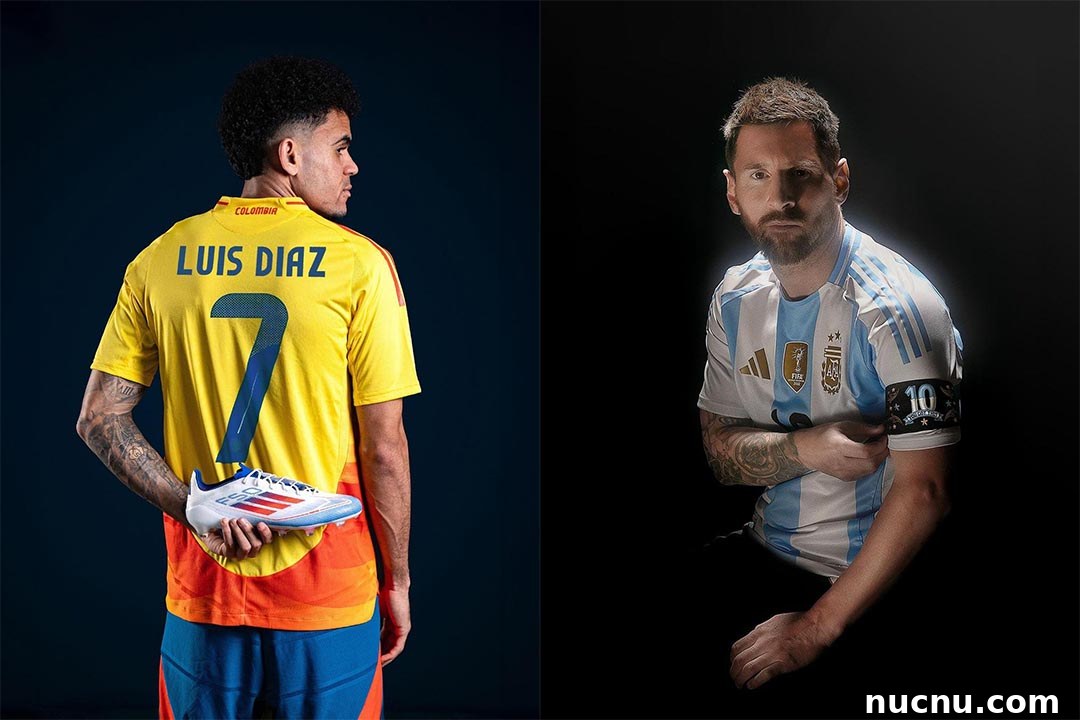
Before Argentina and Colombia took the pitch, the Three Stripes had already won.
adidas’s influence on football stretches back to the 1954 World Cup Final, when founder Adi Dassler introduced removable studs that helped West Germany upset Hungary. That innovation helped start a long legacy in the sport.
Over the last seven decades the German brand has been present at football’s defining moments—supplying teams, innovating boots and apparel, and shaping culture.
The 2024 Copa América is another chapter in that story.

On July 14 in Miami, Argentina and Colombia meet in a showcase of South American football and a reminder of adidas’ dominance: both national teams wear the Three Stripes in what could be the brand’s most influential year in football in over a decade.
Here’s how adidas has already “won” Copa América.
The Faces of adidas Football
Both Argentina and Colombia arrive in the final chasing history.
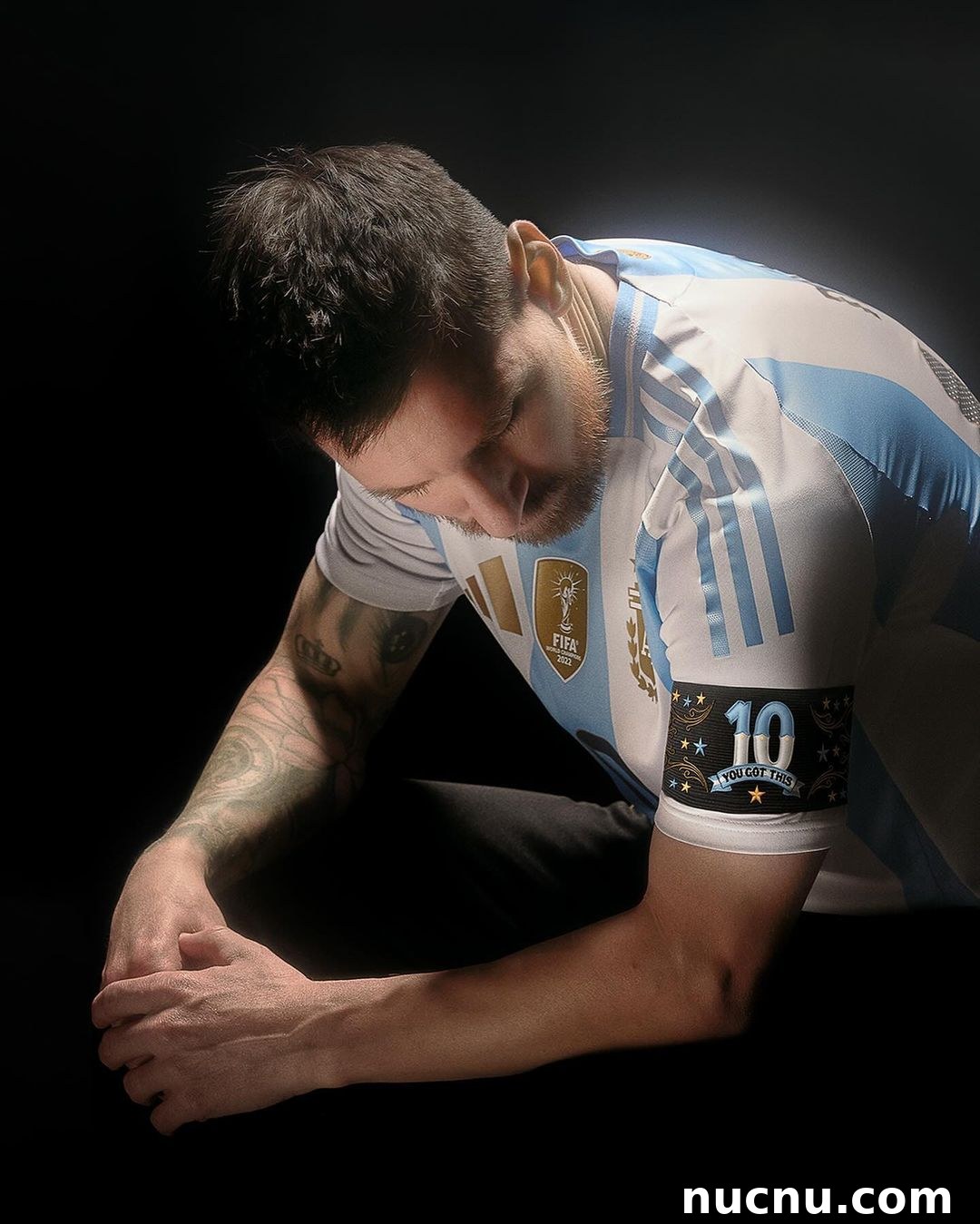
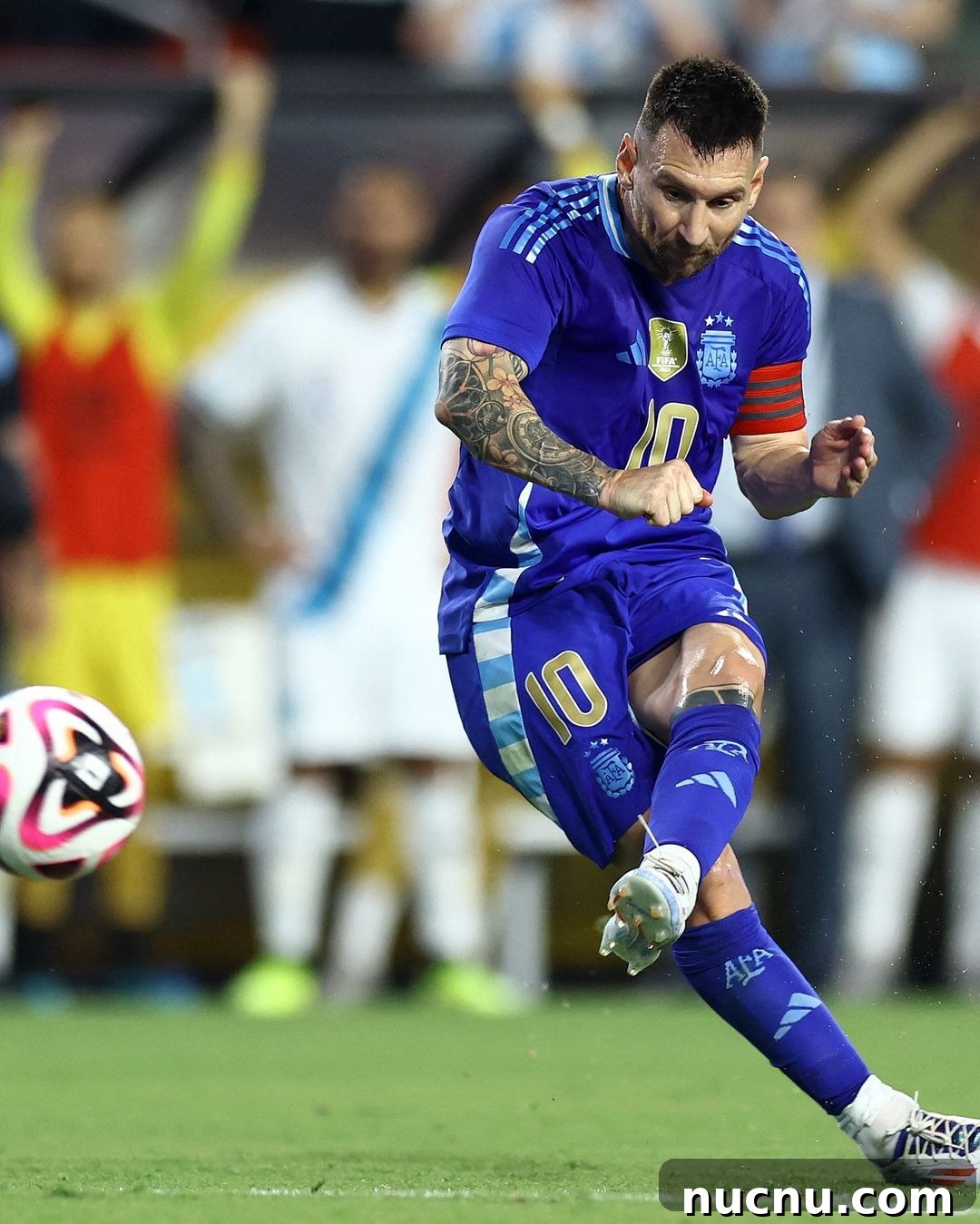
La Albiceleste pursue a 16th Copa América title. As defending Copa América and World Cup champions, they also aim to secure a third straight major international trophy, led by Lionel Messi, the marquee face of adidas Football.
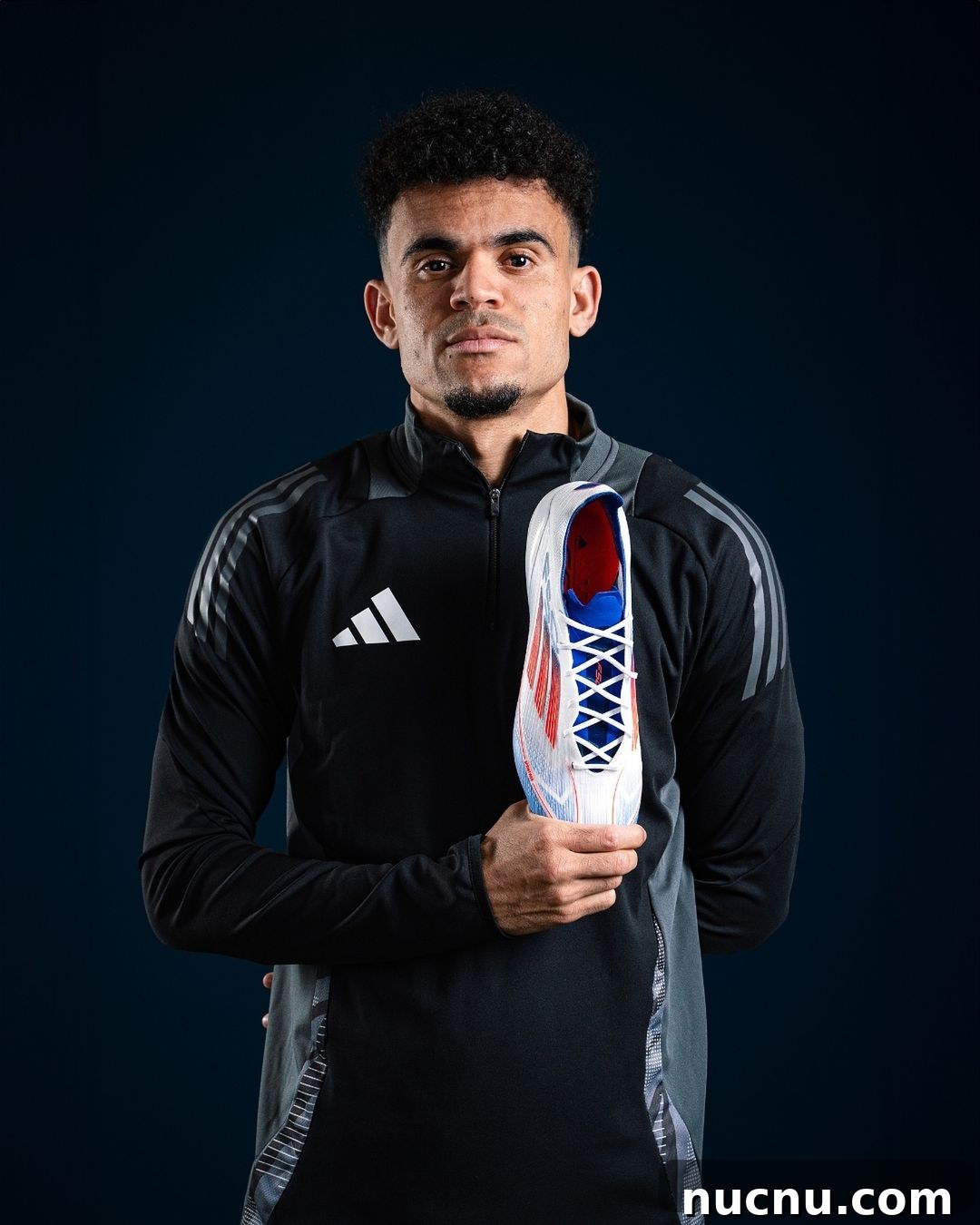
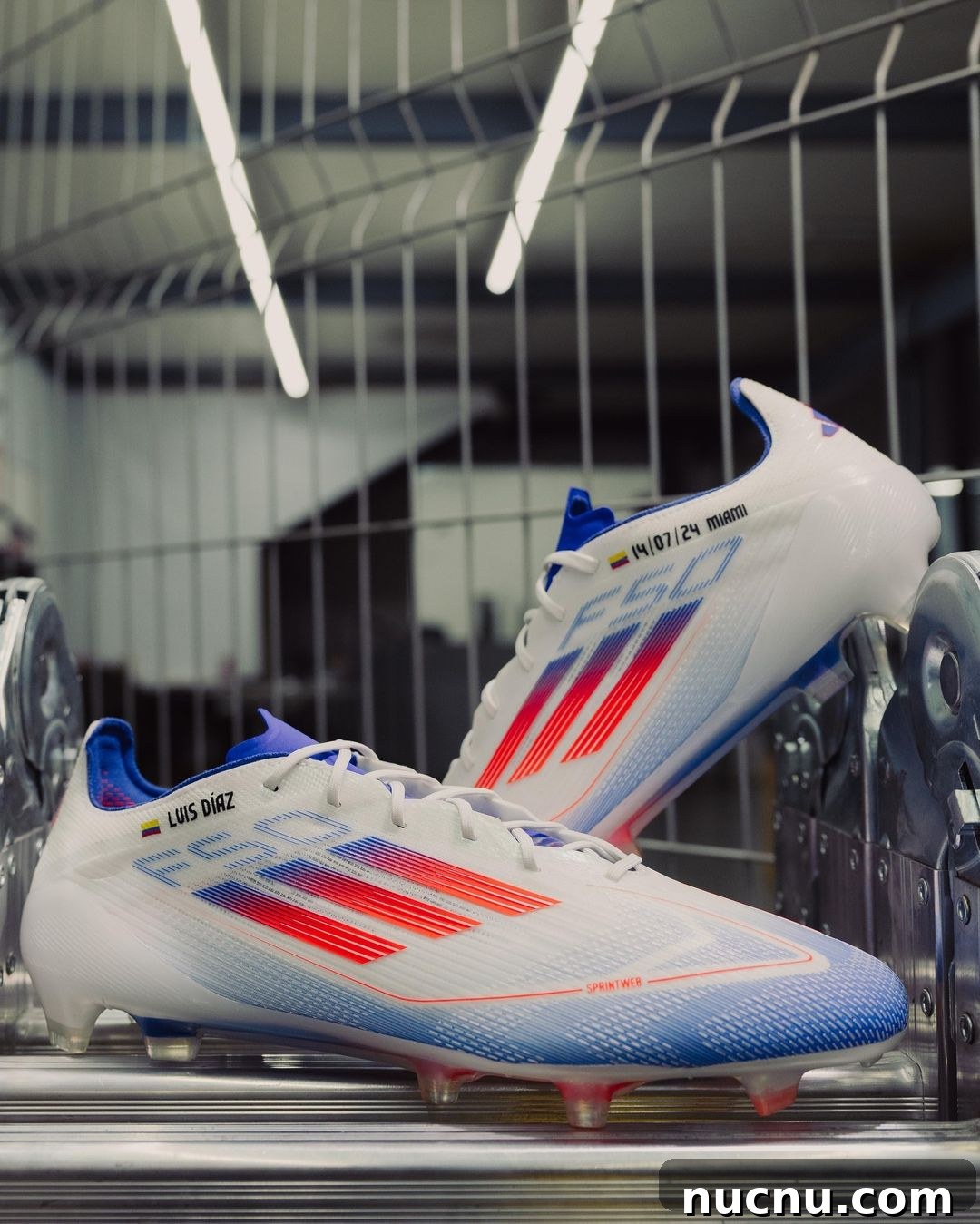
Colombia, led by Luis Díaz, entered the match on an extraordinary 28-game unbeaten run—the longest active streak among national teams. They chase a second Copa América crown and an unbeaten 29th game, facing the last team that defeated them: Argentina.
Messi—the sport’s GOAT and an adidas icon—and Díaz—the dynamic Liverpool forward and a modern face of the brand—represent adidas’ generational talent on one of football’s biggest stages.
Product Meets Performance
With both the CONMEBOL Copa América and UEFA European Championship happening this summer, adidas refreshed two of its most important boot families: the Predator and the F50.
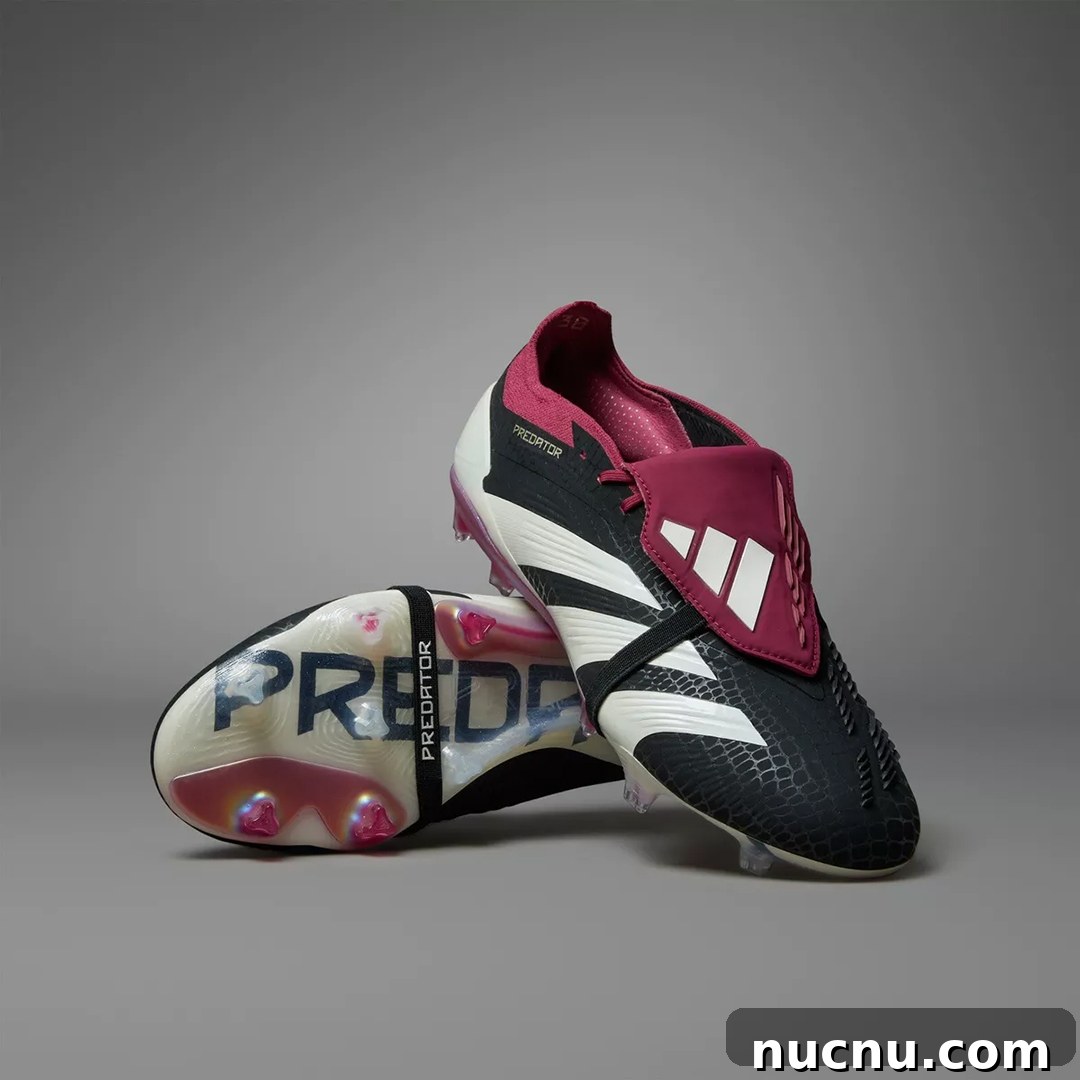
Originally introduced in 1994, the adidas Predator remains a touch-and-control icon. The F50, launched around the 2004 Euros, returned this season as a nod to its legacy—especially its role in the 2010 World Cup era when stars like Messi elevated the model’s profile.
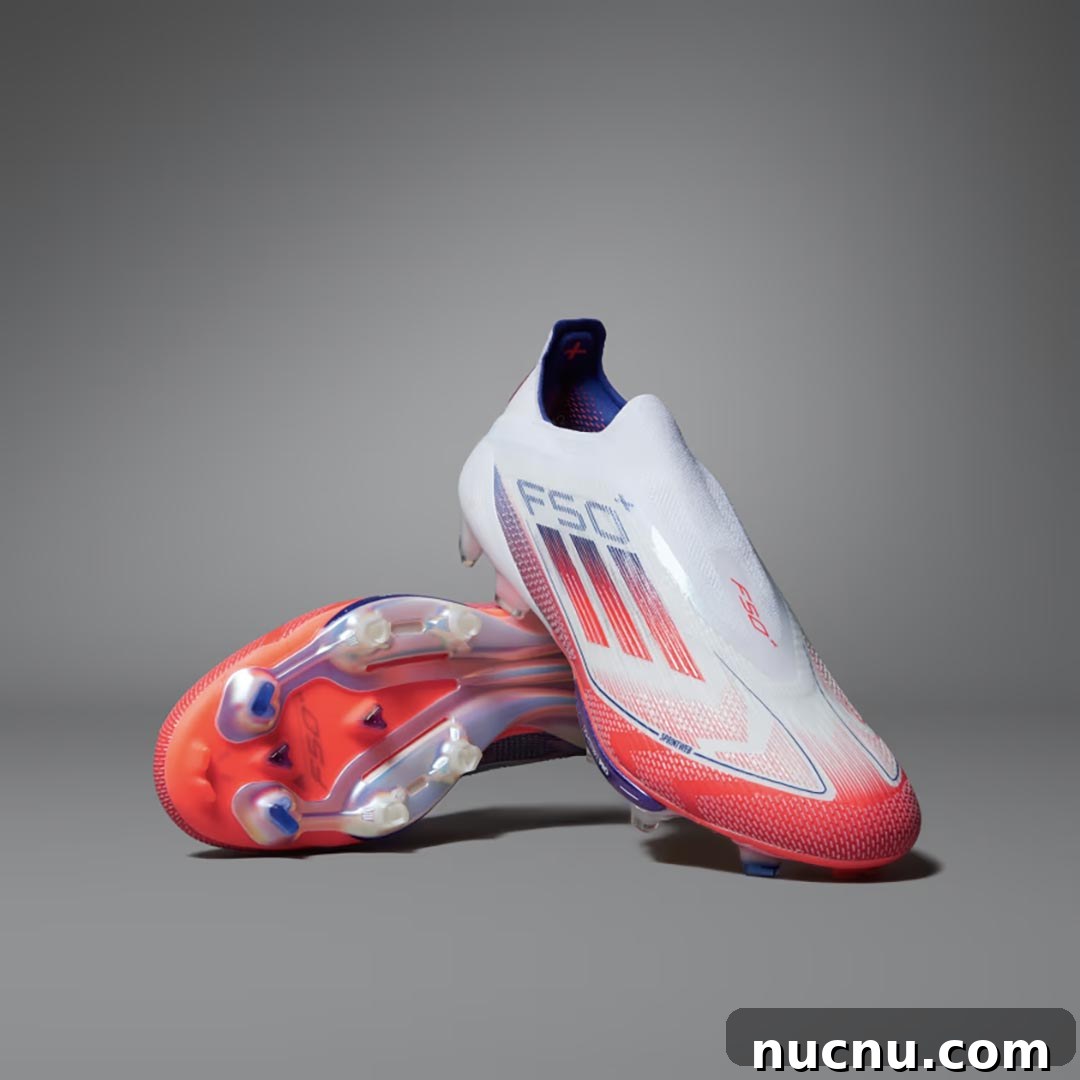
The F50 made a high-profile comeback ahead of the summer tournaments. adidas reissued the franchise and also unveiled the F50+, a lighter, quicker re-engineered variant featuring the Lightstrike Pro foam pod in the forefoot for improved responsiveness.
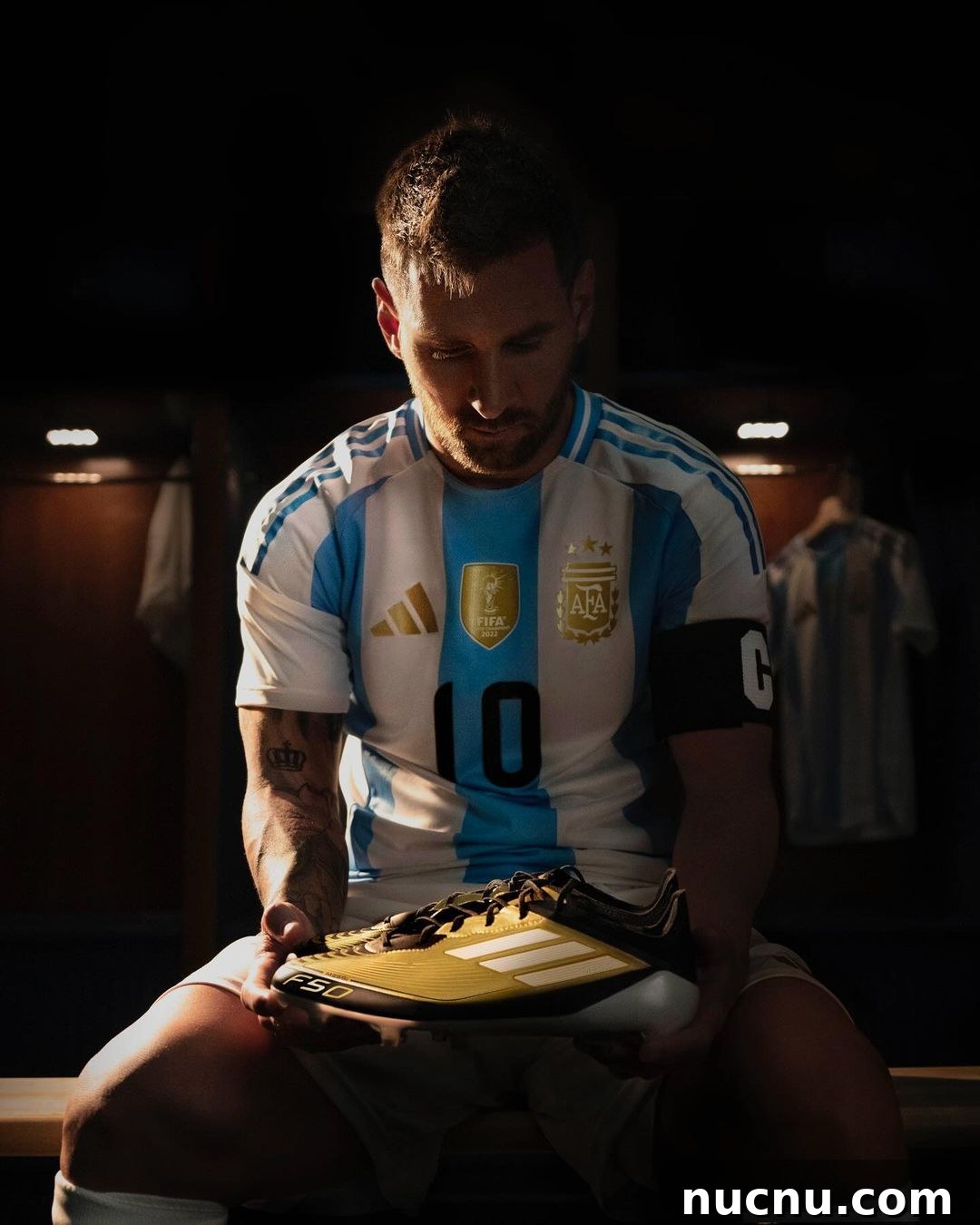
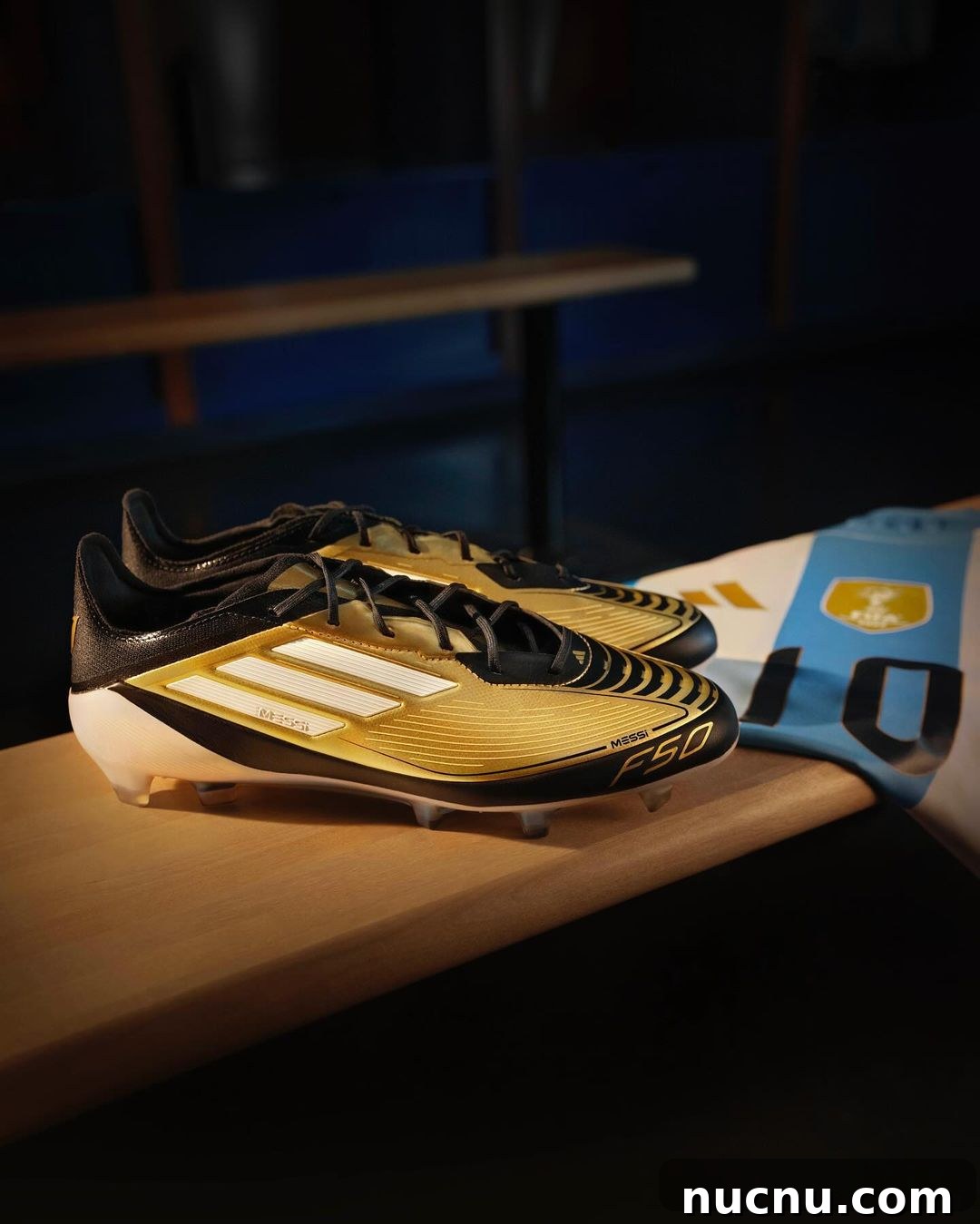
adidas also worked with Messi on the F50 “Triunfo Dorado,” a boot inspired by his F50 Prime from the 2014–15 season. That model offered fans a closer connection to Messi’s on-field specifications for the first time, blending heritage with modern performance.
These product moves show adidas’ dual focus on legacy and innovation—keeping historical silhouettes alive while pushing advancements that matter on the pitch.
The partnership between elite players and product design underscores adidas’ position: combining athlete feedback, heritage, and modern materials to produce boots that perform and resonate.
The Impact of Copa América on the United States
Copa América has expanded beyond South America since the 1990s, inviting teams from North America and Asia and increasing the tournament’s reach and competitiveness.
In 2016 the United States hosted the centennial Copa América for the first time, and in 2024 the country is once again a host ahead of the 2026 World Cup, which the U.S. will co-host with Canada and Mexico.

Messi’s move to MLS and his presence in Miami since last summer have accelerated interest in the game across the U.S. Hosting a major international final in the States further cements that momentum and brings global football culture to American audiences.
As Argentina and Colombia compete for honors in U.S. stadiums, the tournament helps drive engagement, youth participation and the country’s broader football culture—benefits that reach clubs, domestic leagues and the national teams alike.
How adidas is Pushing Culture Through Copa América
Football’s modern era has blended sport, fashion and street culture more tightly than ever. Over the past decade, that fusion has accelerated as players, clubs and brands collaborate beyond the pitch.

Before the tournament began, adidas made visible cultural statements through the teams in the final. For Argentina, the brand honored recent World Cup success across warm-up pieces and kits.

Argentina’s warm-up gear featured a prominent three-star motif celebrating World Cup victory, while the home kit retained the classic white-and-blue stripes with a subtle gold Three Stripes emblem to mark recent achievements. The away kit offered a modern two-toned blue palette that refreshed traditional elements with contemporary detailing.
For Colombia, adidas leaned into vibrant national character with a standout warm-up capsule. The collection mixed cream yellow and stone red across tees, pants and jackets and included adidas Originals silhouettes like the Gazelle, using the Trefoil logo to emphasize heritage and lifestyle crossover.
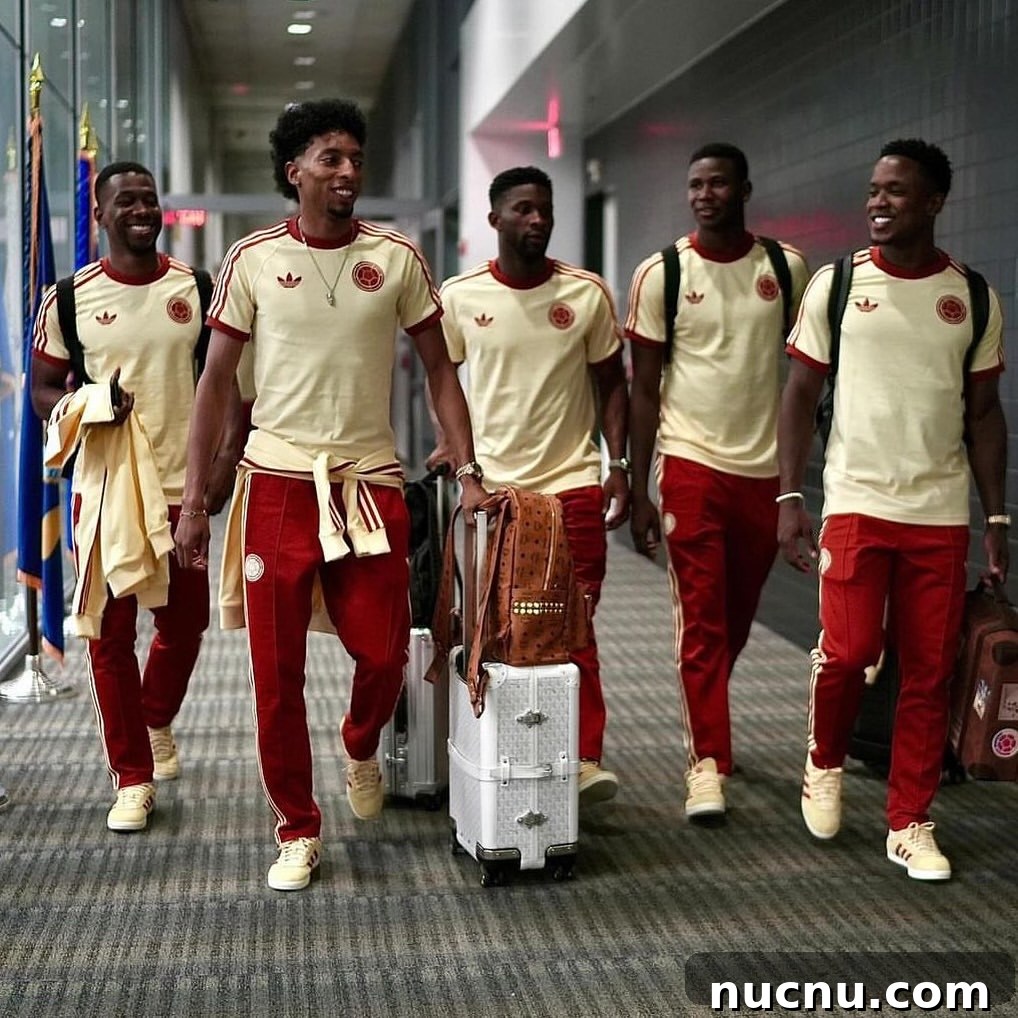
Rather than applying a one-size-fits-all template, adidas tailored collections to each country’s identity—on the pitch and off—demonstrating how sport can influence broader cultural trends.
The Copa América Final Is Another Trophy for adidas’ Football Legacy
The 1994 World Cup in the United States helped spark football’s growth across America. Since then the sport’s profile has risen steadily at every level: national teams, domestic leagues and grassroots participation.
Today the USWNT remains a global force, the USMNT is developing a deep talent pool, MLS attracts both young prospects and international stars, and the NWSL continues to set standards in women’s club football.
With the 2026 World Cup on the horizon, Copa América 2024 has already contributed to football’s momentum in the region. The final between two adidas-backed nations provides a fitting showcase for the brand’s long-running influence in the game—across product innovation, cultural collaboration and global reach.

Keep an eye on Nice Kicks on Instagram and the sneaker release dates page to follow the latest news and adidas drops.