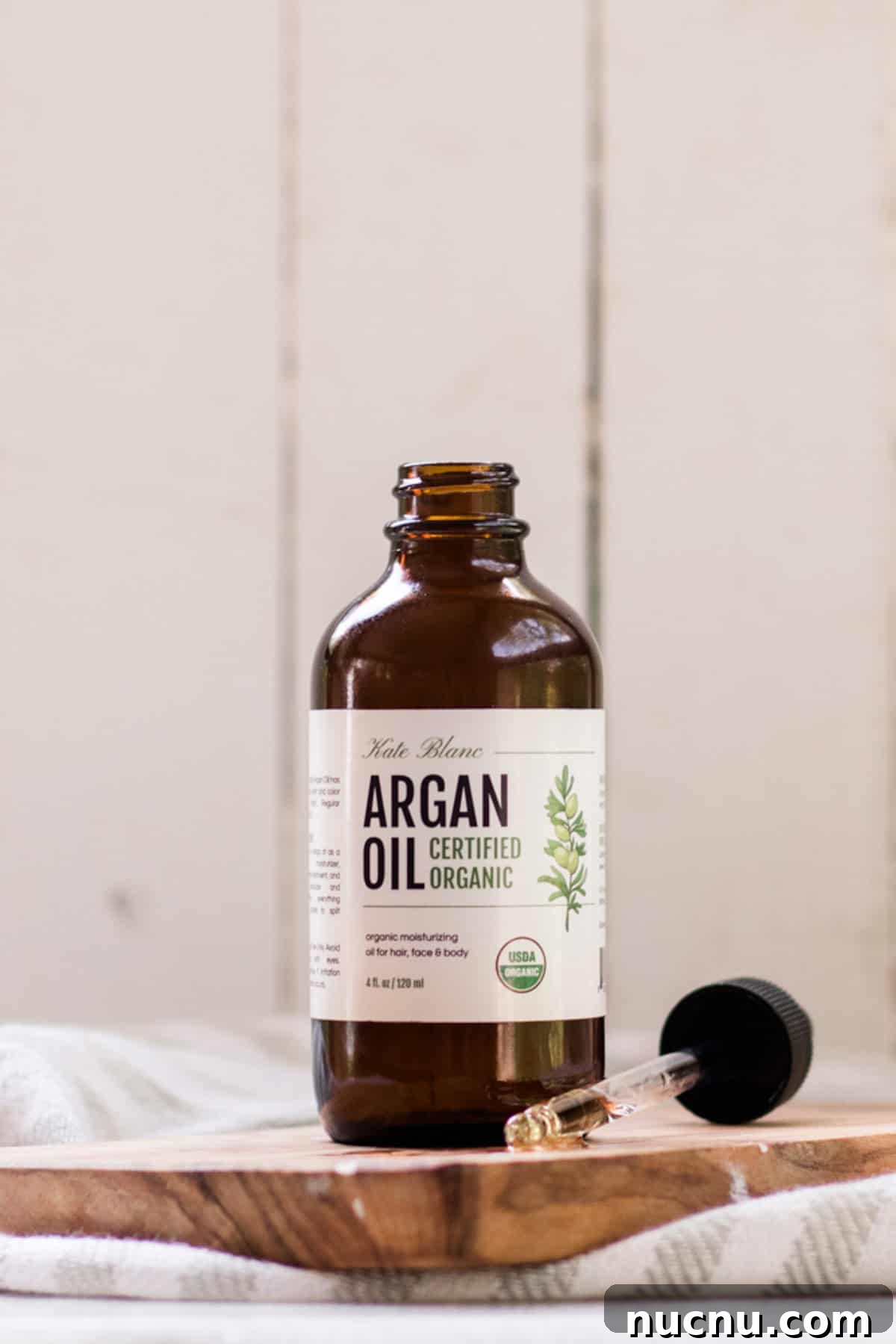
Argan oil, though not as universally known as some other botanical oils, offers a range of benefits that make it a valuable addition to hair and skin care routines.
What is Argan Oil?
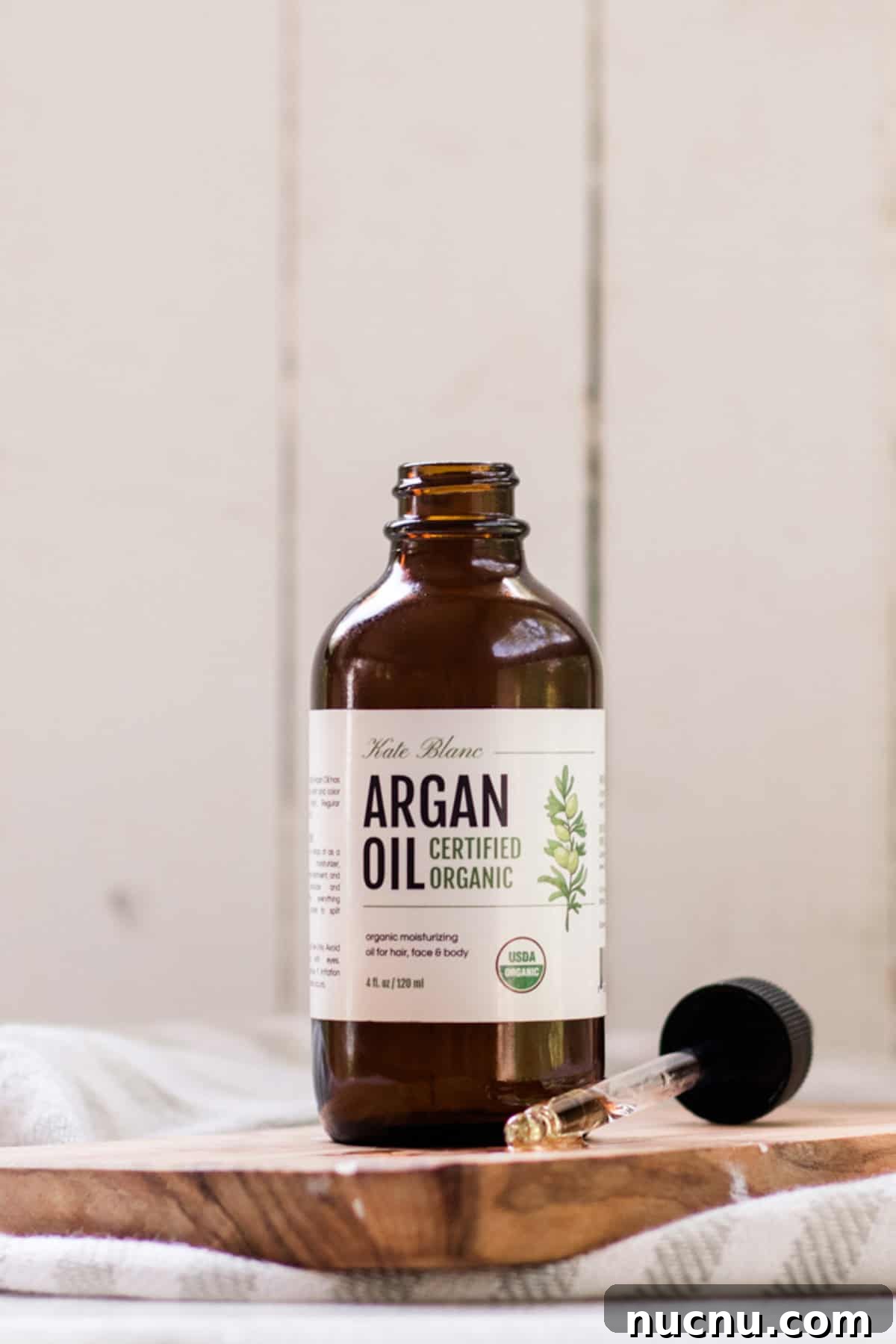
Argan oil is a cold-pressed oil extracted from the kernels of the Argan tree, native to Morocco. It is prized for its high content of essential fatty acids, vitamin E, and antioxidants, which make it an effective moisturizer and a versatile ingredient for both skin and hair care.
Because of its composition, argan oil is commonly recommended to hydrate dry skin, soothe inflammation, and support hair that needs extra nourishment and shine.
Benefits of Argan Oil
Argan oil can be used on its own as a targeted treatment or incorporated into creams, serums, shampoos and conditioners. Its lightweight texture absorbs well and won’t leave a heavy residue when used correctly.
Argan Oil Benefits for Hair
Argan oil conditions and moisturizes hair and the scalp. Its profile of vitamins, antioxidants and fatty acids helps protect and improve the look and feel of hair.
- Adds moisture to dry, damaged hair
- Helps reduce dandruff and soothe the scalp
- Helps protect hair from heat styling and chemical treatments
- May support reduced hair loss when used as part of a broader care routine
- Tames frizz and flyaways for a smoother appearance
- Can reduce breakage and help minimize split ends
- Enhances shine and softness
Argan Oil Benefits for Skin
Applied topically, argan oil works as a moisturizer and skin-conditioning agent. It can be used directly on dry patches or blended into creams and body butters to boost hydration and improve texture.
Because it absorbs easily and is generally gentle, argan oil is compatible with many DIY formulations and commercial products designed for nourishment and repair.
- Effectively moisturizes and softens the skin
- Can help address minor skin imperfections and support skin healing
- May reduce the appearance of fine lines with regular use
- Helps smooth and even skin tone
- Provides antioxidant support that can help protect skin from environmental stressors
- May help reduce the appearance of stretch marks when used consistently
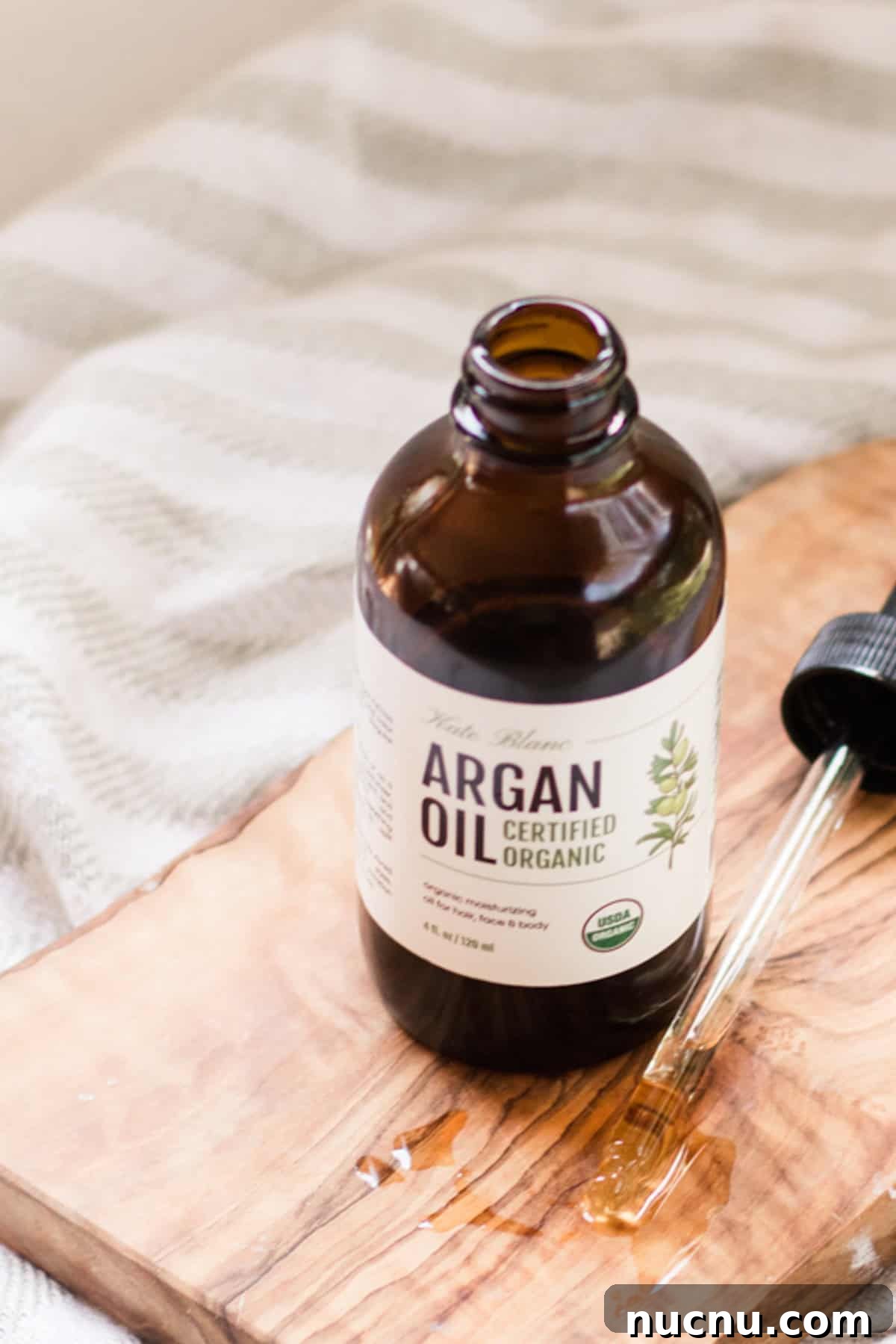
How to Use Argan Oil
For the Skin
To use argan oil on skin, apply a few drops to clean skin and massage gently until absorbed. It works well as a lightweight facial oil after cleansing and toning, or mixed into a moisturizer for added hydration. Argan oil is typically well tolerated by most skin types, but patch testing is recommended for those with sensitive or reactive skin.
For the Hair
For hair, a few drops of argan oil applied along the part or to the ends can add moisture and shine. It can be used as a leave-in treatment, a styling aid to control frizz, or added to DIY shampoos and conditioners to boost conditioning properties.
For Beards
Argan oil is commonly used in beard care to soften coarse hairs, reduce itchiness, and make styling easier. A small amount applied to facial hair helps tame unruly strands and keeps the skin beneath hydrated.
Argan Oil Side Effects
Argan oil is considered safe for most people and adverse reactions are uncommon. Still, individual sensitivities exist. Perform a patch test on an inconspicuous area (such as the inner forearm) before widespread use. If irritation occurs, discontinue use or dilute the oil with a neutral carrier oil and consult a healthcare professional if needed.
FAQs
Argan oil is generally considered non-comedogenic and is unlikely to clog pores for most people. However, individual skin responses vary, so patch testing is recommended before applying it to the entire face.
Unopened, high-quality argan oil typically lasts around 1 to 2 years. Store it in a cool, dark place and check the packaging for the manufacturer’s expiration date to ensure freshness.
In Summary
- Argan oil is extracted from the kernels of the Argan tree and is rich in fatty acids and antioxidants.
- It is commonly used to moisturize and nourish both skin and hair.
- Argan oil is generally gentle and suitable for most skin types; side effects are uncommon but patch testing is advised.
DIY Argan Oil Face Serum
DIY Argan Oil Face Serum
Ingredients
- 1 oz argan oil
- 3–5 drops vitamin E oil (optional)
- 5 drops tea tree essential oil
- 4 drops frankincense essential oil
- 3 drops lavender essential oil
Instructions
- Add all ingredients to a 2 oz dropper bottle.
- Secure the lid and shake well to blend.
- Store in a cool, dark place and use a drop or two on clean skin twice daily.
Notes
Massage 1–2 drops into the face after cleansing and toning. Adjust essential oil amounts or omit any that do not suit your skin. Consult a healthcare professional if you have concerns about using essential oils or new products on your skin.
Resources
- Information on argan oil for hair and general uses from trusted health and beauty sources.
- Studies and articles discussing argan oil composition and topical effects.
- Guidance on using argan oil for skin conditions and routine skincare.