If you’re new to plant-based eating and unsure what to stock, this guide will help you build a well-rounded vegan pantry. With these staples on hand, plus your weekly fresh fruits and vegetables, you’ll have everything you need to prepare nutritious, satisfying plant-based meals.
Organize Your Pantry
An organized pantry makes it easier to use what you have, reduces waste and saves money. Clear containers keep ingredients fresher longer and make meal prep simple. Here are some storage options I recommend for both pantry and fridge/freezer use.
- Ball Mason Jars – Affordable, versatile and attractive. Wide-mouth jars are easiest to access; plastic lids help prevent metal lids from rusting. Large and small jars are great for dry goods and bulk items.
- Weck Jars – Beautiful for pantry display and fridge storage. Great for grains, seeds, sauces, overnight oats and small-batch meal prep.
- Glasslock Containers – BPA-free glass containers that are airtight, leak-proof and oven/microwave-safe. Ideal for storing prepared meals in the fridge or freezer and for transporting food.
- Flip-Top Hermetic Seal Jars – Useful for pantry staples, spices, and fermenting. Small versions work well for spices bought in bulk, while wide-mouth jars hold grains and nuts.
How to Stock a Vegan Pantry
Beans and Lentils
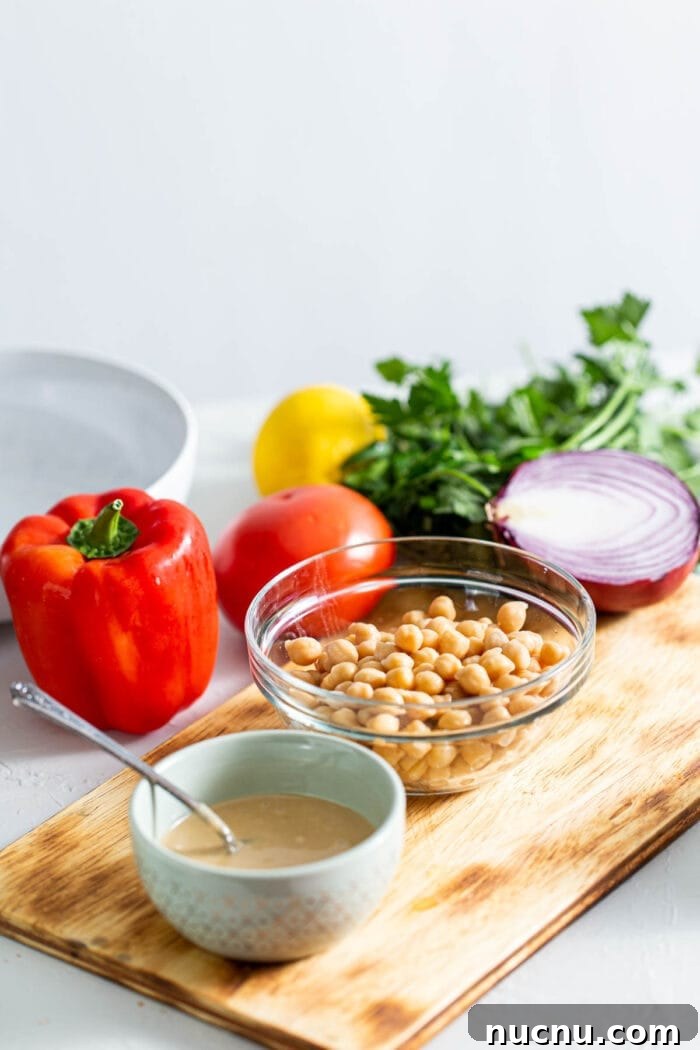
Beans and legumes are inexpensive, filling and rich in fiber and plant protein. Keep a mix of canned and dried varieties for convenience and longer-term storage. I often cook a big batch of chickpeas for weekly meal prep.
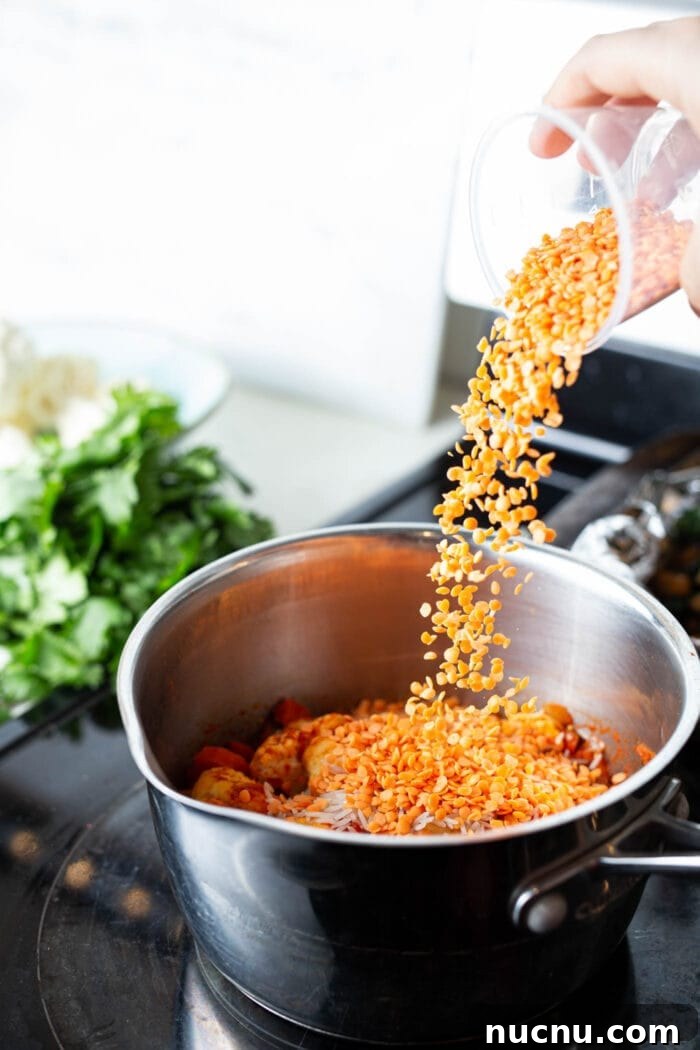
- red lentils
- green lentils
- canned or dried chickpeas
- canned or dried black beans
- canned or dried kidney beans
- canned or dried navy beans
- canned or dried black-eyed peas
Whole Grain Essentials
Whole grains are a great source of fiber, complex carbohydrates and micronutrients. They’re versatile and budget-friendly. Oats and quinoa are particularly useful daily staples.
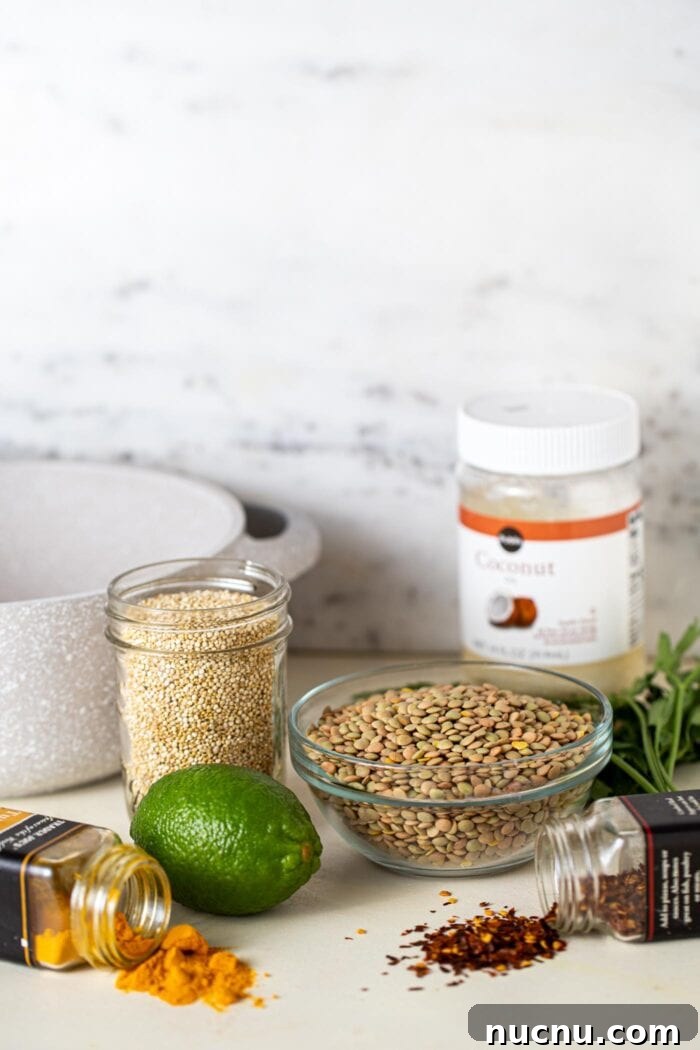
- quinoa
- brown rice
- jasmine rice
- whole-wheat or brown rice pasta
- quick oats
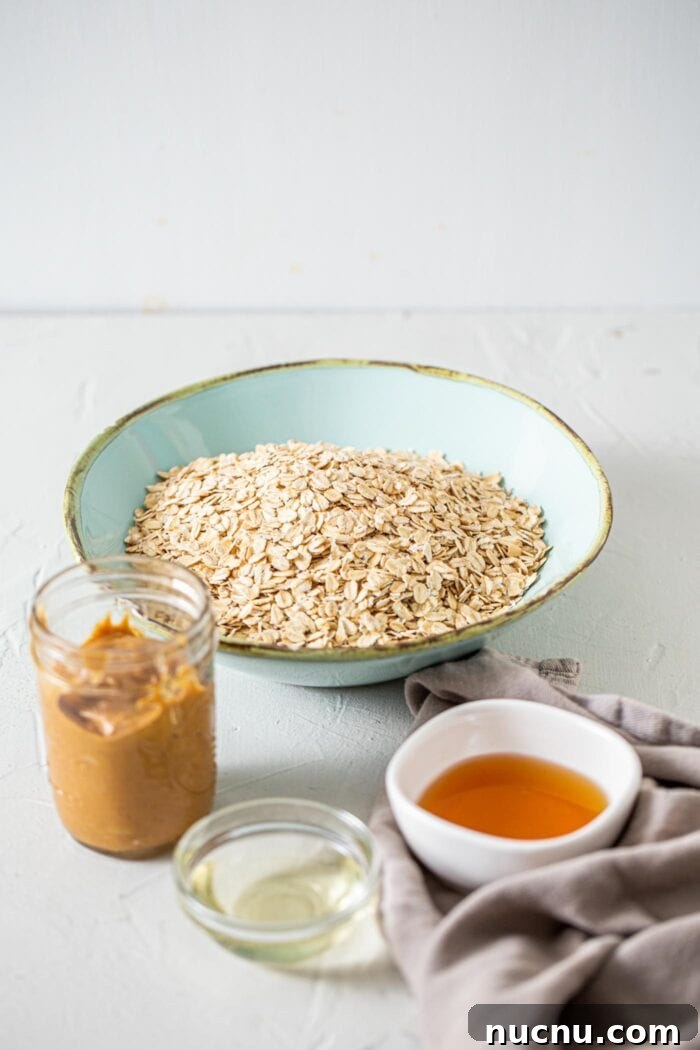
- rolled oats
Oats work for breakfasts, baking, energy bars, pancakes and even as a binder in veggie burgers. I keep both brown and white rice depending on recipe needs and desired cooking time.
Whole Grain Extras
- millet
- couscous
- barley
- bulgur
- wild rice
- freekeh
- black bean or edamame pasta for grain-free, high-protein alternatives
Essential Baking Ingredients
Vegan baking is simple when you stock the basics. These items let you make everything from muffins and cookies to healthier bars and cakes.
- whole-wheat flour
- all-purpose flour
- raw cacao or cocoa powder
- dairy-free chocolate chips
- coconut flour
- baking soda
- baking powder
- pure vanilla extract
- yeast for bread baking
With these staples you can make muffins, cookies, banana bread, flourless treats and more. If you need dairy or egg replacements, simple pantry swaps work well for most recipes.
Extra Baking Ingredients
If you bake gluten-free or want more variety, keep some specialty flours and starches on hand.
- spelt flour
- almond flour
- peanut flour
- arrowroot powder
- tapioca starch
- garbanzo (besan) flour
- hemp or brown rice protein powder
Essential Nuts and Seeds
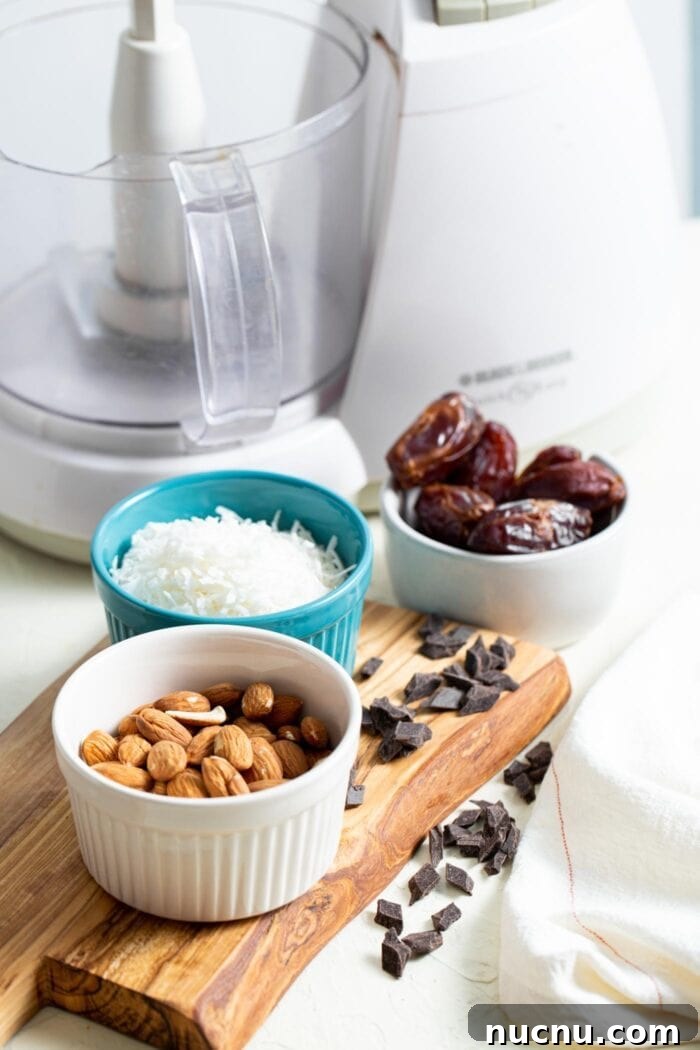
Nuts, seeds and dried fruit are great for snacks, baking, smoothies, granola and adding texture to meals. Keep a selection for variety and nutrition.
- almonds
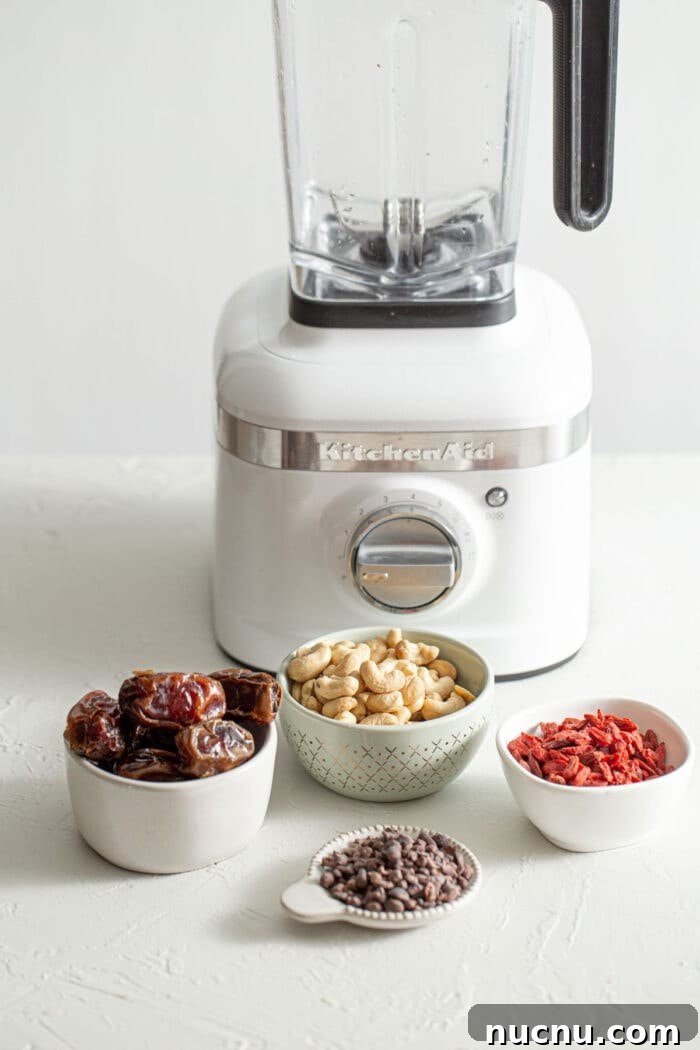
- cashews
- ground flax (store refrigerated)
- chia seeds
- hemp seeds
- pepitas (pumpkin seeds)
- raisins
- unsweetened fine coconut
- coconut flakes
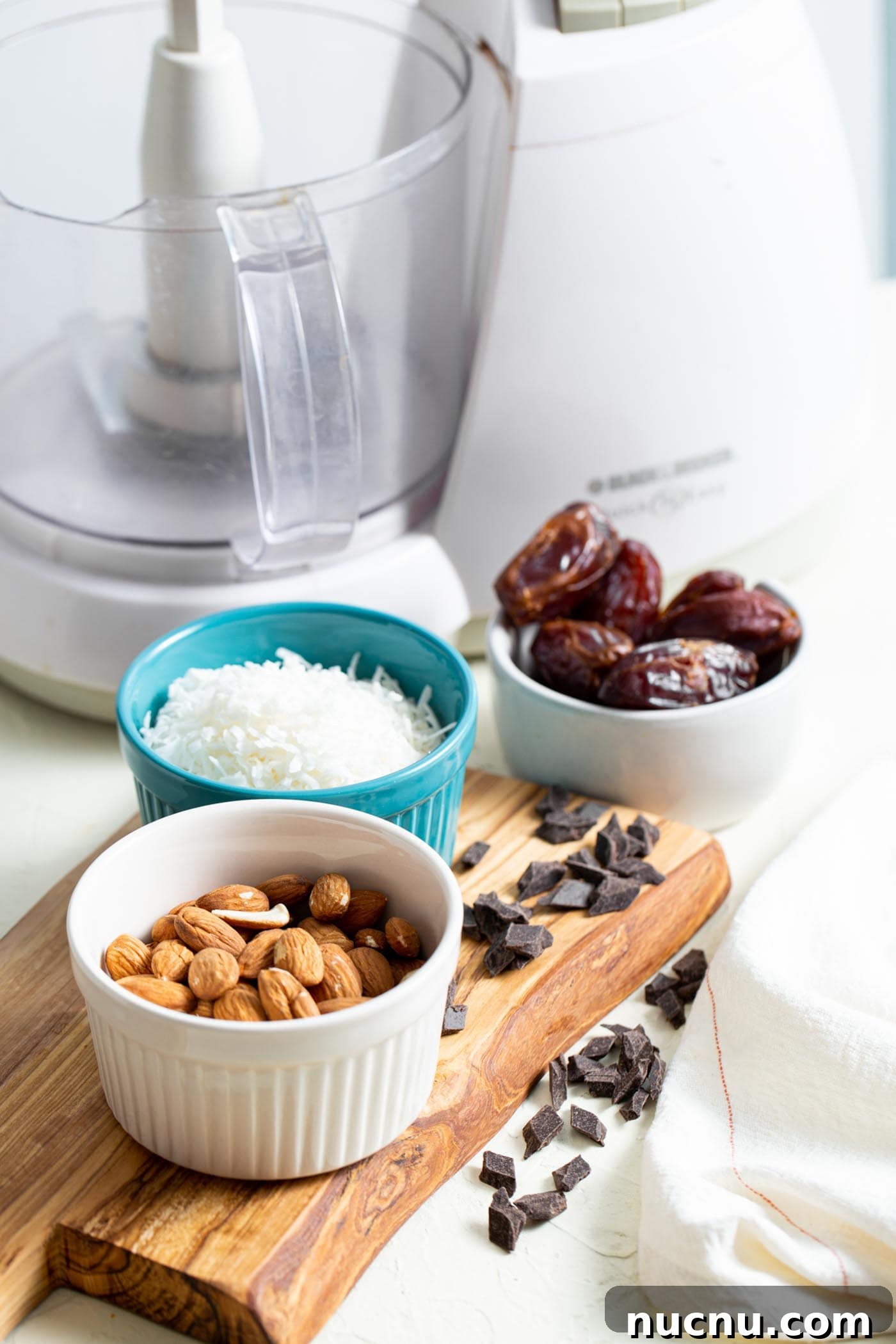
- dates
- unsweetened applesauce
- sunflower seeds
- granola or cereal (store-bought or homemade)
How to Use Nuts and Seeds
Almonds and cashews are great for snacking and making creamy sauces or desserts. Ground flax replaces eggs in baking and boosts omega-3s. Pepitas and sunflower seeds add crunch to salads and bowls. Chia is perfect for puddings and thickening, while hemp seeds are a nutrient-dense topping for smoothies and bowls. Dates sweeten energy bars and balls naturally, and coconut works well in raw desserts, baking and granola.
Keep applesauce for oil replacements in baking or as a simple snack mixed with protein powder.
Extra Nuts, Seeds & Dried Fruits
- walnuts
- pecans
- hazelnuts
- dried cherries
- dried cranberries
- goji berries
Nut and Seed Butters
Nut and seed butters are versatile and delicious. My daily favorites include natural peanut butter, almond butter, tahini and sunflower seed butter. Use them on toast, in smoothies, as toppings, in dressings and in homemade energy bars and baked goods.
- natural peanut butter and powdered peanut butter
- almond butter
- sunflower seed butter
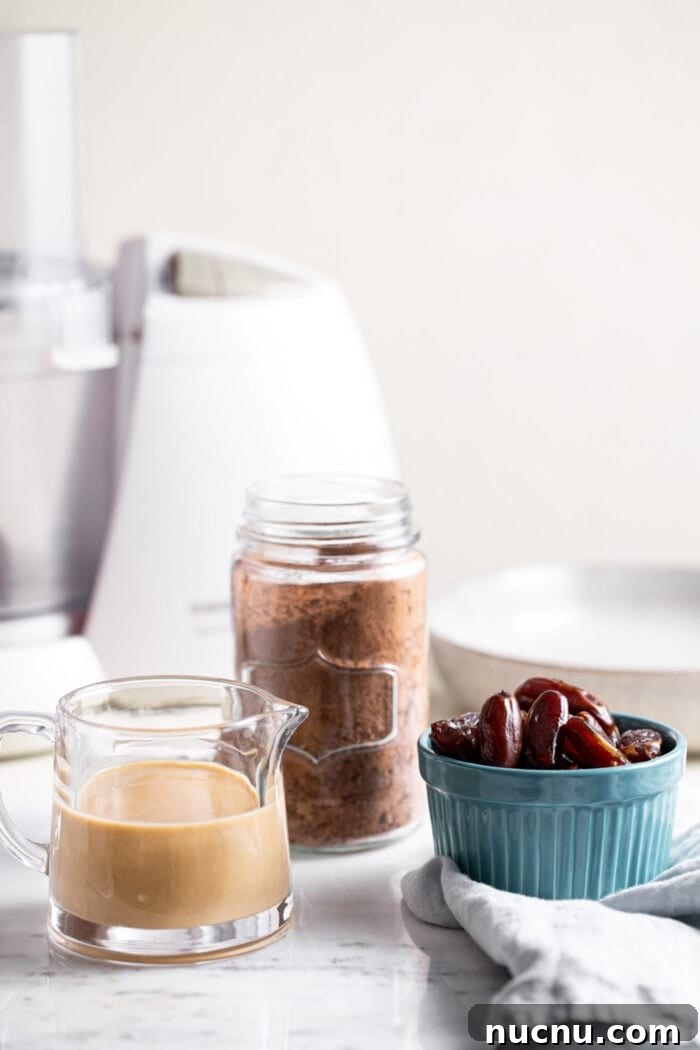
- tahini (refrigerate after opening)
- coconut butter (coconut manna)
Coconut butter is easy to make by processing unsweetened shredded coconut in a high-speed blender until creamy; a pinch of sea salt and vanilla enhances the flavor. Store finished coconut butter in a sealed container.
Canned Goods
Canned items are lifesavers for quick meals and for adding depth to recipes. Keep staples like tomato paste, diced tomatoes, coconut milk and canned pumpkin for soups, curries, desserts and baking.
- tomato paste
- diced tomatoes
- coconut milk (light and full-fat depending on use)
- canned pumpkin
Use light coconut milk to reduce fat in curries and soups, and full-fat coconut milk when you need creaminess for desserts, ice cream or mousse.
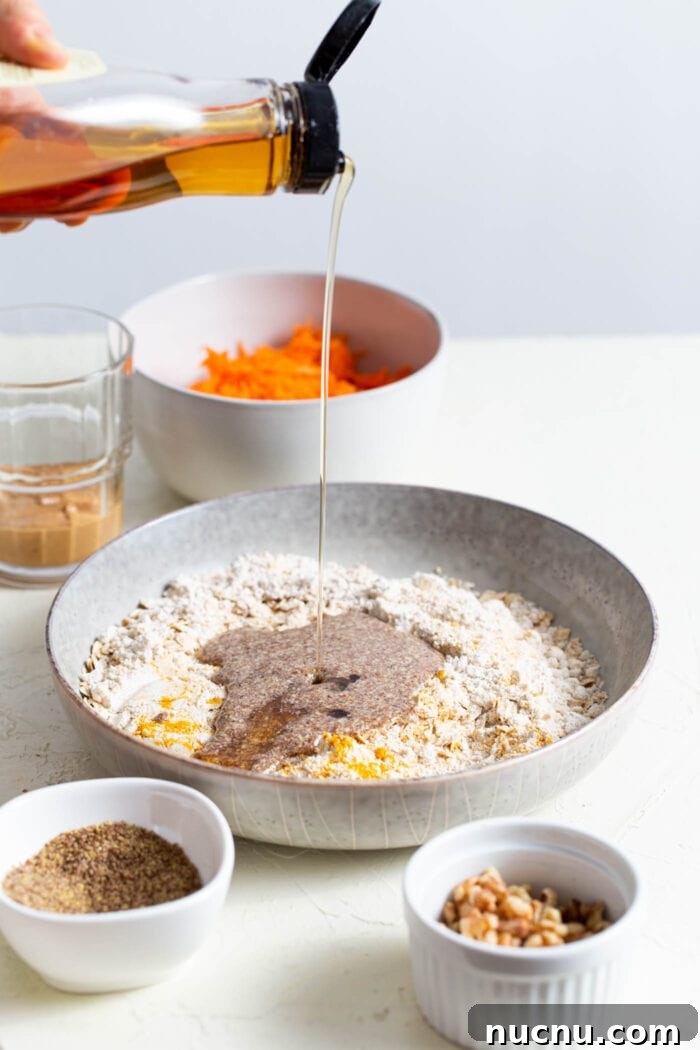
Sweeteners
Replacing refined sugar with natural sweeteners can improve flavor and offer a lower glycemic response. Keep a small selection of natural sweeteners for baking, raw treats and everyday use.
- raw coconut sugar
- pure maple syrup
- molasses
- organic liquid and/or powdered stevia
Agave nectar, brown rice syrup and monk fruit are optional alternatives if you prefer them.
Oil and Vinegar
A selection of oils, vinegars and condiments helps you make flavorful dressings, sauces and marinades. I keep olive and coconut oil for cooking and baking, sesame oil for Asian dishes, and several vinegars for dressings and sauces.
- extra-virgin olive oil
- coconut oil
- rice vinegar
- red wine vinegar
- apple cider vinegar
- balsamic vinegar
- tamari or soy sauce (tamari for gluten-free)
- sesame oil
Extras to consider: hoisin sauce, peanut oil and avocado oil for specific recipes.
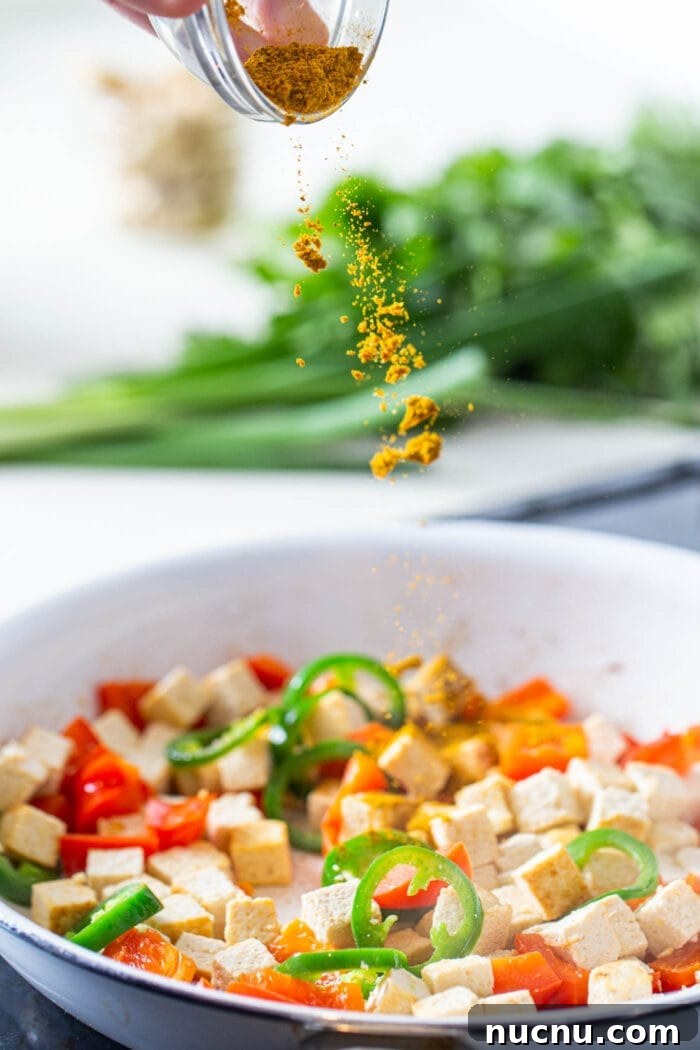
Spices and Herbs Essential
Spices transform simple ingredients into vibrant meals and offer health benefits of their own. These are my everyday essentials.
- fresh garlic
- fresh ginger
- cinnamon
- ground coriander
- ground ginger
- cumin
- chili powder
- cayenne
- red pepper flakes
- turmeric
- onion powder
- rosemary
- unrefined sea salt
- black pepper
- bay leaves
- garam masala
- smoked paprika
- garlic powder
- basil
- dill
- oregano
Other Plant-Based Staples
- nutritional yeast – a savory, cheesy-flavored staple for pasta, sauces, popcorn and dressings
- dark chocolate – keep a bar of extra dark chocolate for snacking and baking
- a variety of onions – essential flavor base for soups, stews and dressings
- potatoes – russets for baking and fries; baby potatoes for simple sides
- sweet potatoes – nutrient-dense, versatile for bowls, fries, soups and baking
- lemons and limes – brighten dishes and add freshness to drinks
- white miso paste – adds umami to soups, dressings and sauces
- vegetable broth or bouillon – for cooking grains, soups and adding depth to recipes
- unsweetened almond milk – or other plant milks for cooking, baking and drinks
- dijon mustard – for dressings and sauces (refrigerate after opening)
- organic soft tofu – useful for low-fat dressings, desserts and creamy sauces
- organic extra-firm tofu – a versatile protein for scrambles, baked tofu and more
- vegan protein powder – optional, useful for meeting protein needs and smoothies
- powdered peanut butter – lower-fat peanut flavor for smoothies and baking
- vital wheat gluten – for making seitan if you use wheat-based proteins
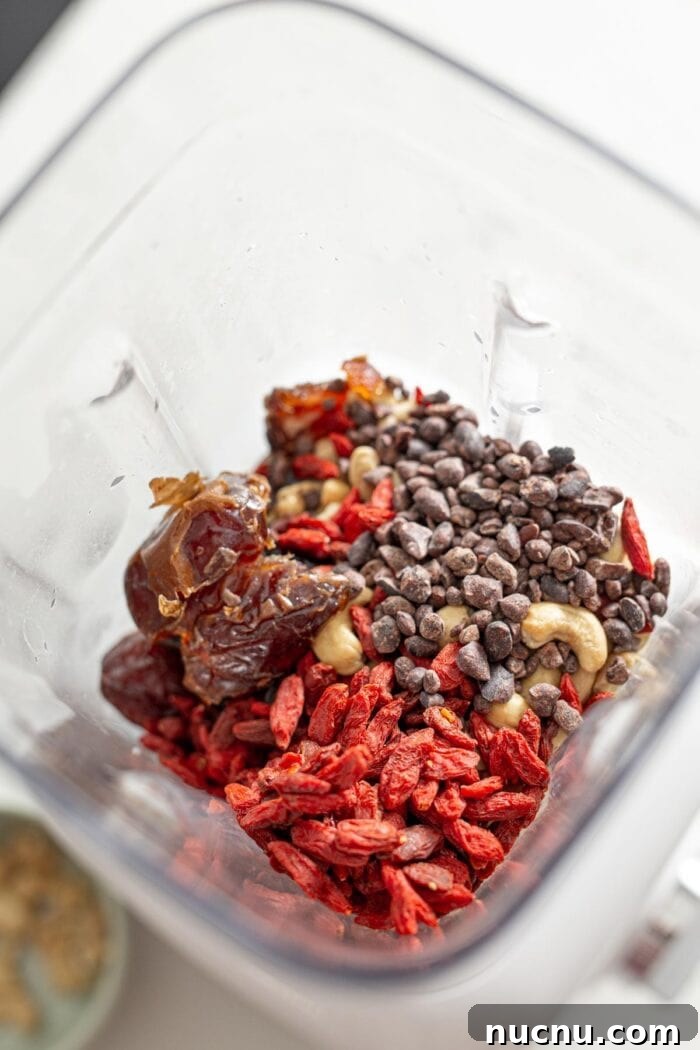
Plant-Based Superfoods
Optional superfoods can add extra nutrition. I buy them when they’re on sale or when I want a nutritional boost.
- goji berries
- spirulina
- cacao nibs
- raw cacao powder
- maca powder
- matcha powder
Build Your Pantry Slowly
Use this list as a starting point and add items gradually. You don’t need everything at once—choose staples that match your cooking style and diet goals, and expand your pantry over time. Small steps lead to lasting change.
Helpful Articles
- How to Transition to a Plant-Based Diet
- Vegan Grocery List
- 3-Day Whole Food Plant-Based Meal Plan
- 7-Day Vegan Meal Plan
- Vegan Macro Guide