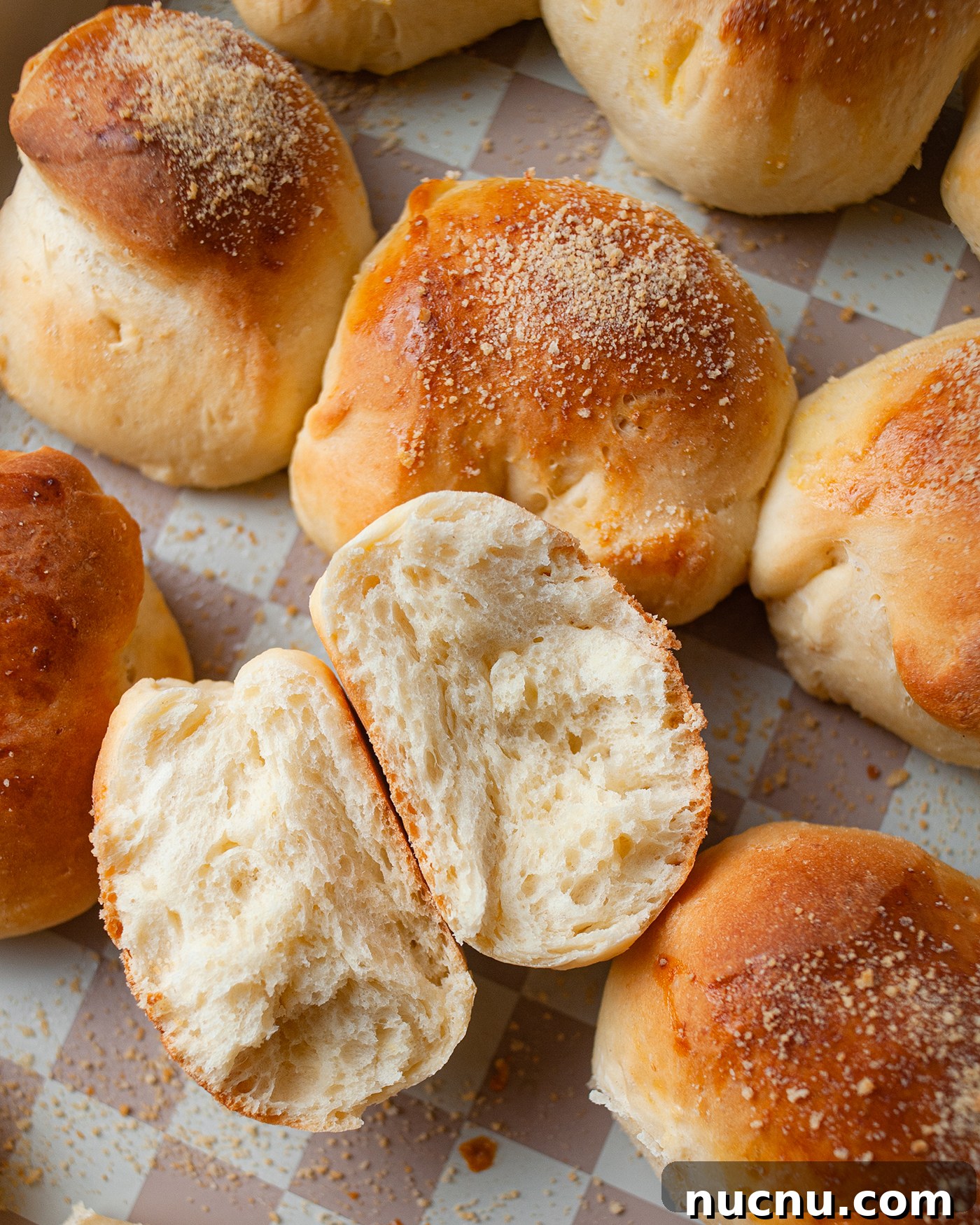
Are you searching for a straightforward, delicious pandesal recipe? You’ve found it.
This easy-to-follow method yields soft, slightly sweet pandesal that will fill your kitchen with a bakery aroma.
Pandesal is one of the most beloved breads in Filipino cuisine. Despite its name—literally “salt bread”—it’s soft and mildly sweet, commonly enjoyed for breakfast or as a snack.
Keep reading to learn a bit about pandesal’s background and to get step-by-step instructions for making it at home.
If you enjoy baking, explore more of our bread and pastry recipes for additional inspiration.
Table of Contents
- History of Pandesal
- Why You Should Make Pandesal
- Tips and Tricks for Making the Best Pandesal
- Frequently Asked Questions
- How to Store and Reheat Pandesal
- How to Eat Pandesal
- Ingredients
- Recipe
- Final Thoughts
History of Pandesal
The exact origins of pandesal are unclear, but it likely evolved after Europeans introduced wheat to the Philippines in the 1500s. Early versions—known as pan de suelo, or “floor bread”—were harder and crustier. Over time, local bakers adapted Spanish and European techniques, and during the American colonial period the availability of commercial yeast, wheat imports, and canned dairy made softer, more affordable bread possible.
Today pandesal is a daily staple found in bakeries and markets across the Philippines, enjoyed at nearly every table.
Why You Should Make Pandesal
Affordable and simple. The recipe uses basic pantry ingredients—flour, sugar, butter, salt, and yeast—so it’s easy on the budget and accessible for most home bakers.
Fresh home-baked flavor. Making pandesal at home means warm rolls right from your oven without an early trip to the bakery.
Great for sharing. The recipe makes multiple rolls, so it’s perfect for serving guests or giving away to friends.
Comforting taste and texture. Fresh pandesal is soft, fluffy, mildly sweet, and pairs with a wide variety of toppings and fillings.
Tips and Tricks for Making the Best Pandesal
- Measure liquid temperature. Use a thermometer to warm milk between 100–110 °F for active dry yeast (or 120–130 °F if using instant yeast) so the yeast activates properly without getting damaged.
- Test gluten development. Knead until the dough feels smooth and elastic. Use a windowpane or poke test to check readiness.
- Weigh ingredients. Using a kitchen scale improves consistency compared with volume measurements.
Frequently Asked Questions
Instant yeast or active dry yeast? Either works. Instant yeast can be mixed with dry ingredients directly. Active dry yeast should be bloomed in warm liquid and sugar first.
Can I use bread flour instead of all-purpose? Yes. Bread flour has more protein and may require slightly more liquid. Expect a chewier texture.
Why didn’t my dough rise? Common causes are inactive yeast, liquids that were too hot or too cold, a cold environment, or insufficient rise time. Troubleshoot by checking yeast freshness and room temperature.
How to Store and Reheat Pandesal
Storage: Once cooled, keep pandesal in a sealed container at room temperature for up to three days, or freeze for up to three months. Refrigeration can extend life to about a week but may dry the rolls; reheat before serving.
Reheating: For room-temperature rolls, cover with a damp paper towel and microwave up to 30 seconds, or reheat wrapped in foil at 350 °F for 5–10 minutes. For frozen rolls, thaw at room temperature then warm in foil at 300 °F for 15–20 minutes.
How to Eat Pandesal
Pandesal is versatile. Try these serving ideas:
- With butter or margarine for a simple classic.
- Dipped in coffee for a comforting pairing.
- With a fried egg—the roll soaks up delicious yolk.
- As a sandwich—egg salad, tuna, breakfast sandwich, or leftover savory fillings make great pandesal sandwiches.
- With cheese—slice, add a cheese slice, and melt in a toaster oven.
- As an ice cream sandwich—add a scoop of your favorite ice cream for a fun treat.
- With butter and hot chocolate—a nostalgic favorite for many.
Have a favorite way to enjoy pandesal? Share it in the comments!
Ingredients
- 4 cups all-purpose flour (600 g)
- 1 packet instant yeast (2¼ tsp or 7 g)
- ½ cup sugar (115 g)
- 1 tsp kosher salt (5 g)
- 1 cup whole milk, warm (236 mL)
- 3 tbsp unsalted butter, melted (42 g)
- 3 large eggs, room temperature (reserve 1 for egg wash)
- Breadcrumbs for topping
Recipe
Make Dough + First Rise
- In a mixing bowl, whisk together flour, instant yeast, salt, and sugar.
- Add warm milk, melted butter, and two eggs a little at a time. The dough will appear lumpy and sticky at first.
- Stir until you can knead by hand. Knead about 8 minutes until smooth and elastic. Check gluten development with a windowpane or poke test.
- Place dough in a lightly oiled bowl, cover with a towel, and put in a warm spot. Let rise until doubled, about 1 hour.
Divide the Dough + Second Rise
- Punch down gently to release excess air. Divide the dough into 12 equal portions and roll each into a ball.
- Brush the tops with egg wash and roll or sprinkle with breadcrumbs.
- Arrange rolls on a lined baking sheet, cover, and let rise for about 20 minutes or until nearly doubled.
Bake
- Preheat oven to 375 °F (190 °C). Remove the towel and bake the rolls 15–20 minutes, until tops are golden brown.
- Transfer rolls to a cooling rack and cool at least five minutes before serving. Serve warm or cool completely before storing.
Final Thoughts
This straightforward pandesal recipe delivers soft, fluffy rolls that pair well with sweet or savory accompaniments. Freshly baked at home, they’re a comforting and budget-friendly treat.
If you make these, please leave a rating and share a photo of your pandesal—we’d love to see your results!