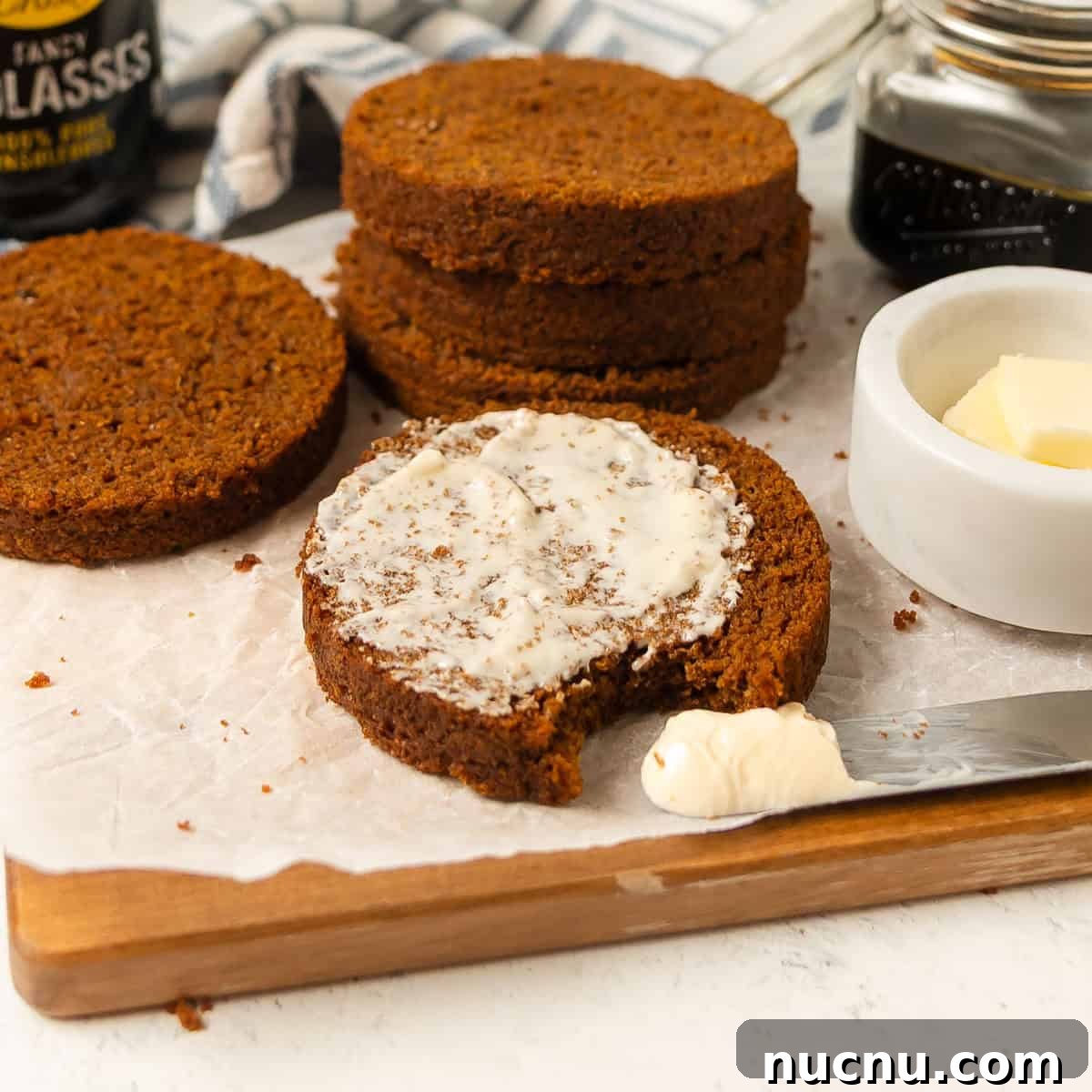
Have you ever tried canned bread? This classic New England recipe produces a dense, dark, slightly sweet Boston brown bread made the traditional way—steamed in a can on the stovetop.
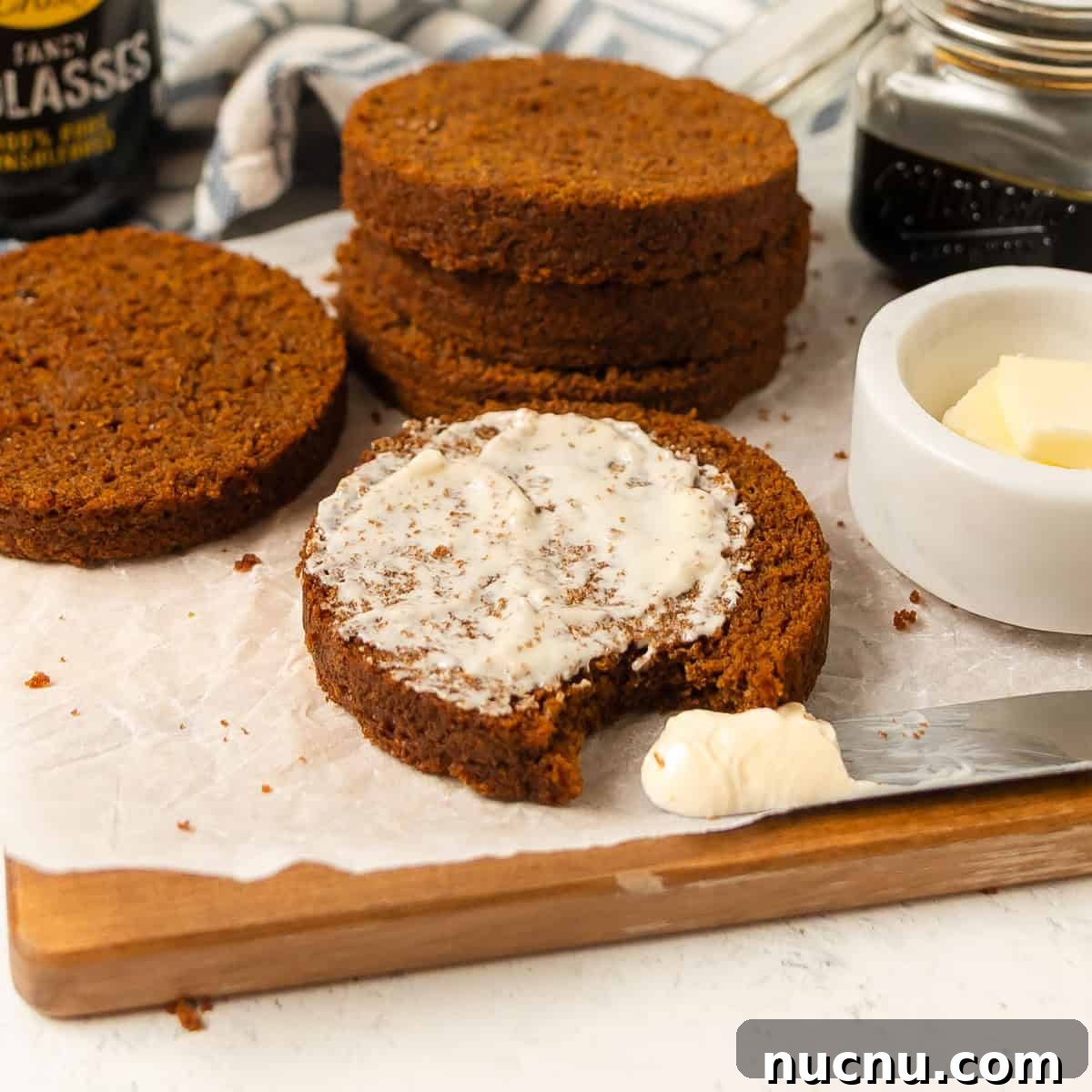
If you’ve spent time in New England, you’re likely familiar with Boston brown bread and the red cans of B&M on grocery shelves. It’s one of those traditional staples that remains popular year after year.
As a Maine food blogger with two decades of cooking experience, I tested this recipe multiple times to make it as authentic as possible at home. Using classic New England ingredients—rye flour, whole wheat, cornmeal, and molasses—this bread is simple to prepare and reliably turns out dense, moist, and full of flavor.
I include oven instructions for those without cans or a large stockpot, but I recommend trying the traditional steaming method at least once. It’s easier than it sounds and fun for the family.
What Is Boston Brown Bread?
Boston brown bread is an old-fashioned New England quick bread made from rye flour, whole wheat flour, and cornmeal. In Puritan-era New England, wheat was harder to grow, so bakers used rye and cornmeal instead. The result is a dense, dark loaf with a hearty, slightly coarse texture—very different from a light sandwich bread.
Why Is Brown Bread Steamed in a Can?
Early New England homes often lacked reliable ovens, so people steamed brown bread in covered cans or tins set over the hearth. The batter behaves more like a quick bread than a yeast dough and needs the structure of a can to hold its shape while cooking. Steaming provides gentle, even heat that helps the dense batter cook through without burning.
Why You’ll Make This Recipe Again and Again
- Two methods provided. Steam it in a can for the authentic version or bake it in a loaf pan—both produce an excellent loaf.
- Common ingredients. Rye flour, whole wheat flour, cornmeal, molasses, and buttermilk are easy to find at most grocery stores.
- Recipe-tested. I adjusted flour ratios, leavening, and moisture until the texture and flavor matched traditional brown bread.
Ingredients
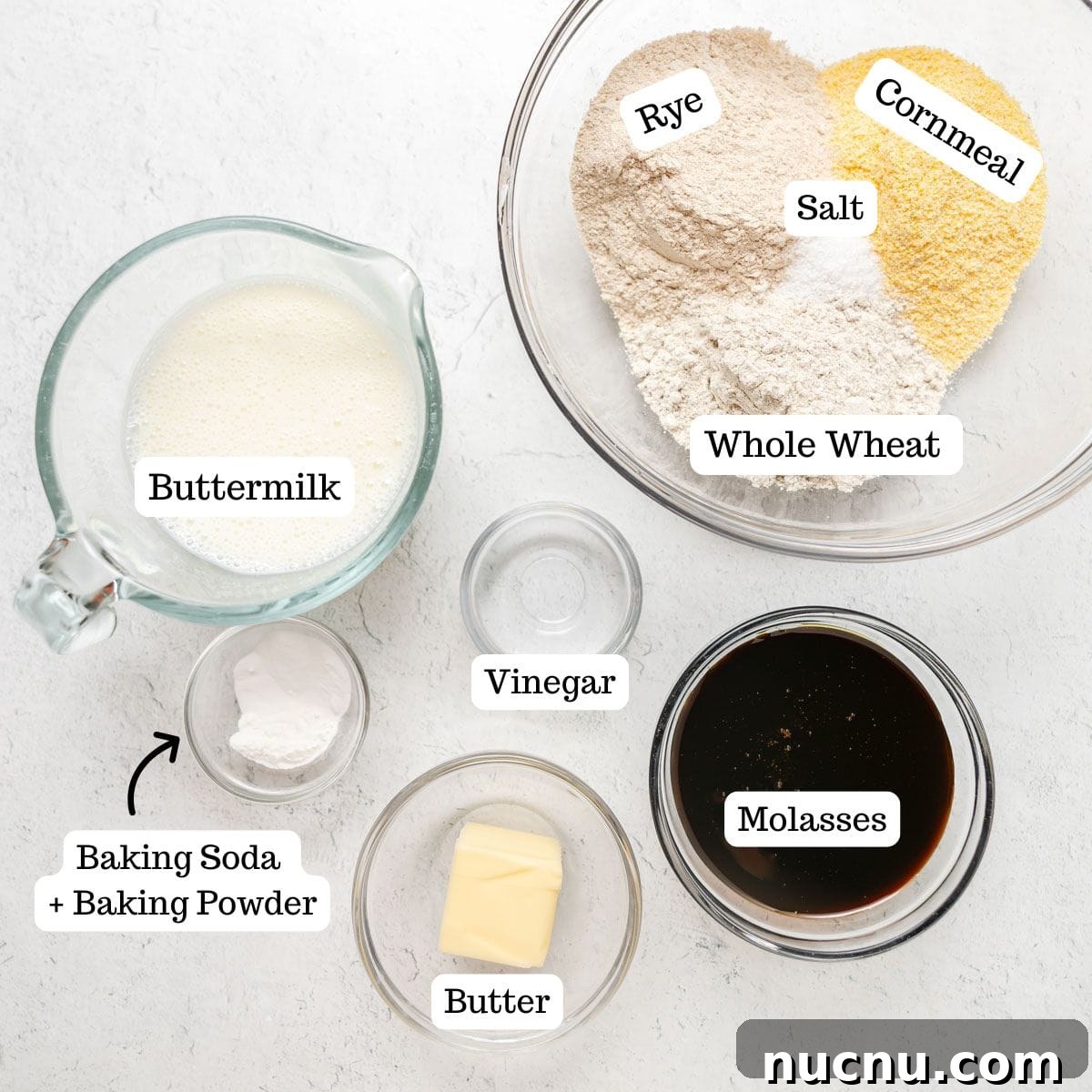
- Rye flour – The backbone of brown bread; it provides the characteristic flavor and color. A medium rye flour works well.
- Whole wheat flour – Adds structure and a subtle nutty sweetness. Historically called “graham flour,” whole wheat is a suitable modern equivalent.
- Fine yellow cornmeal – Gives authentic texture. Use regular cornmeal, not masa or corn flour.
- Baking soda and baking powder – Lighten the batter so the loaf isn’t overly heavy. The loaf won’t rise much, but these leaveners prevent a dense, brick-like result.
- Salt – Balances the molasses and enhances flavor.
- Buttermilk – Provides moisture and reacts with baking soda to tenderize the crumb.
- Molasses – The primary sweetener that yields the deep color and classic taste.
- Melted butter – Optional for added richness; you can omit it if steaming for a more traditional loaf.
- White vinegar – Neutralizes any metallic taste from baking soda and helps with tenderizing.
- Raisins (optional) – Traditional in many recipes. If using, soak briefly in hot water so they don’t draw moisture from the batter.
Equipment for Steaming
- Two 28-ounce cans – Clean, label-free cans such as crushed tomato cans work well.
- Large stockpot – Tall enough to hold a few quarts of water with the cans standing inside.
- Steamer rack or trivet – Optional, but useful to keep cans slightly elevated off the pot bottom.
How to Make Brown Bread In A Can
Step 1
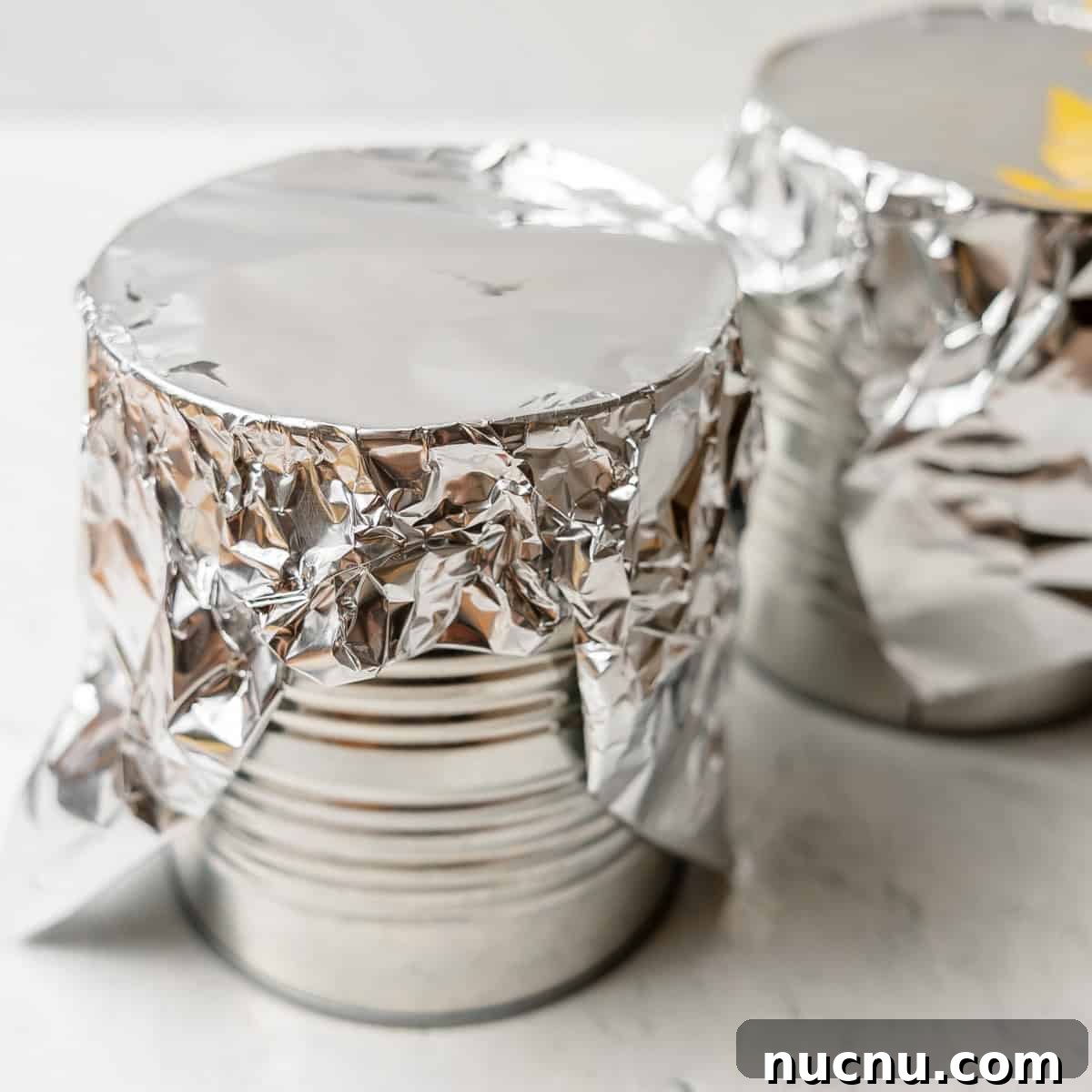
Spray two clean 28-ounce cans with cooking spray and cut two pieces of foil; spray one side of each foil piece. Fill a large pot with enough water to come about 2 inches up the sides of the cans and bring it to a boil.
Step 2
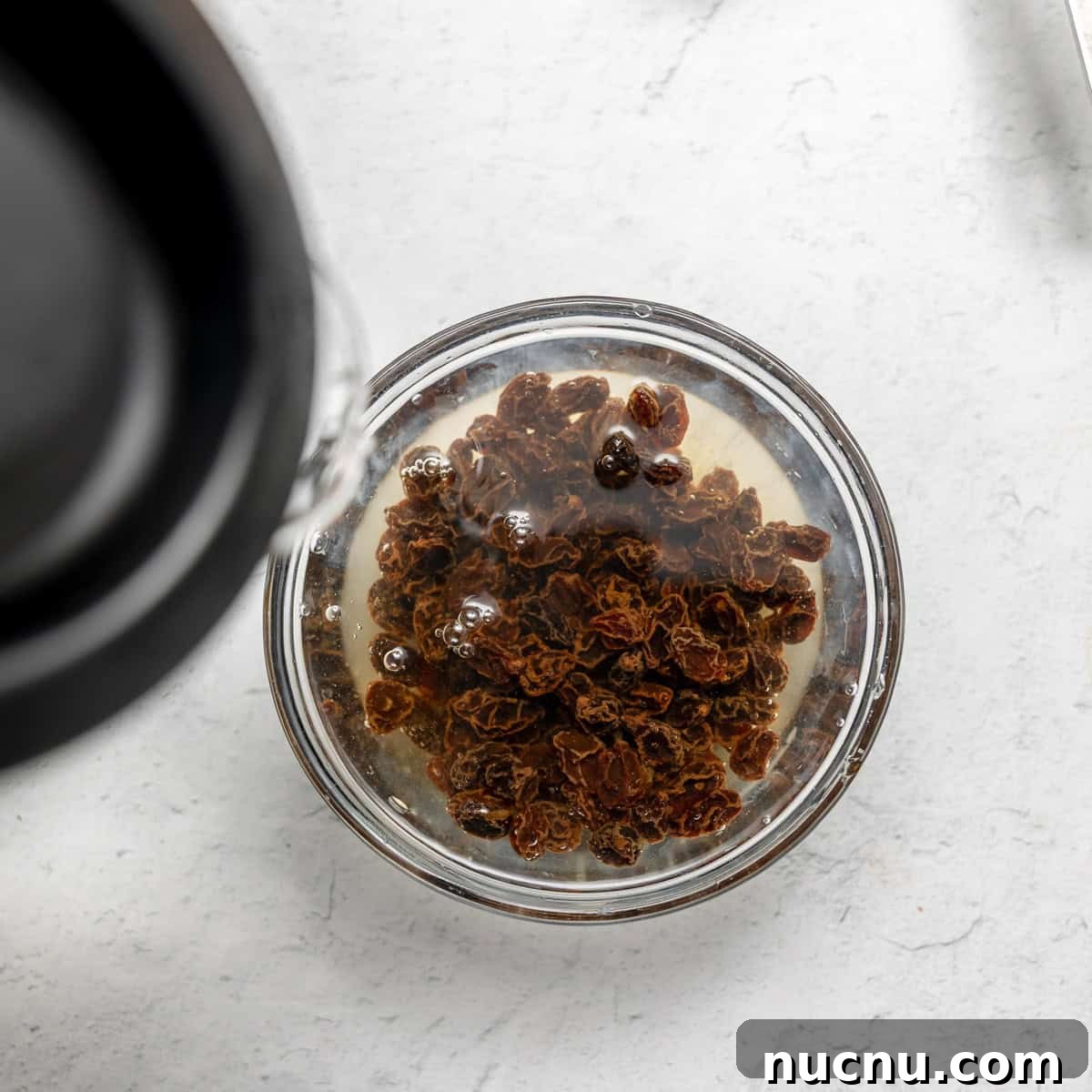
If using raisins, soak them in hot water for 15 minutes while you prepare the batter, then drain and set aside.
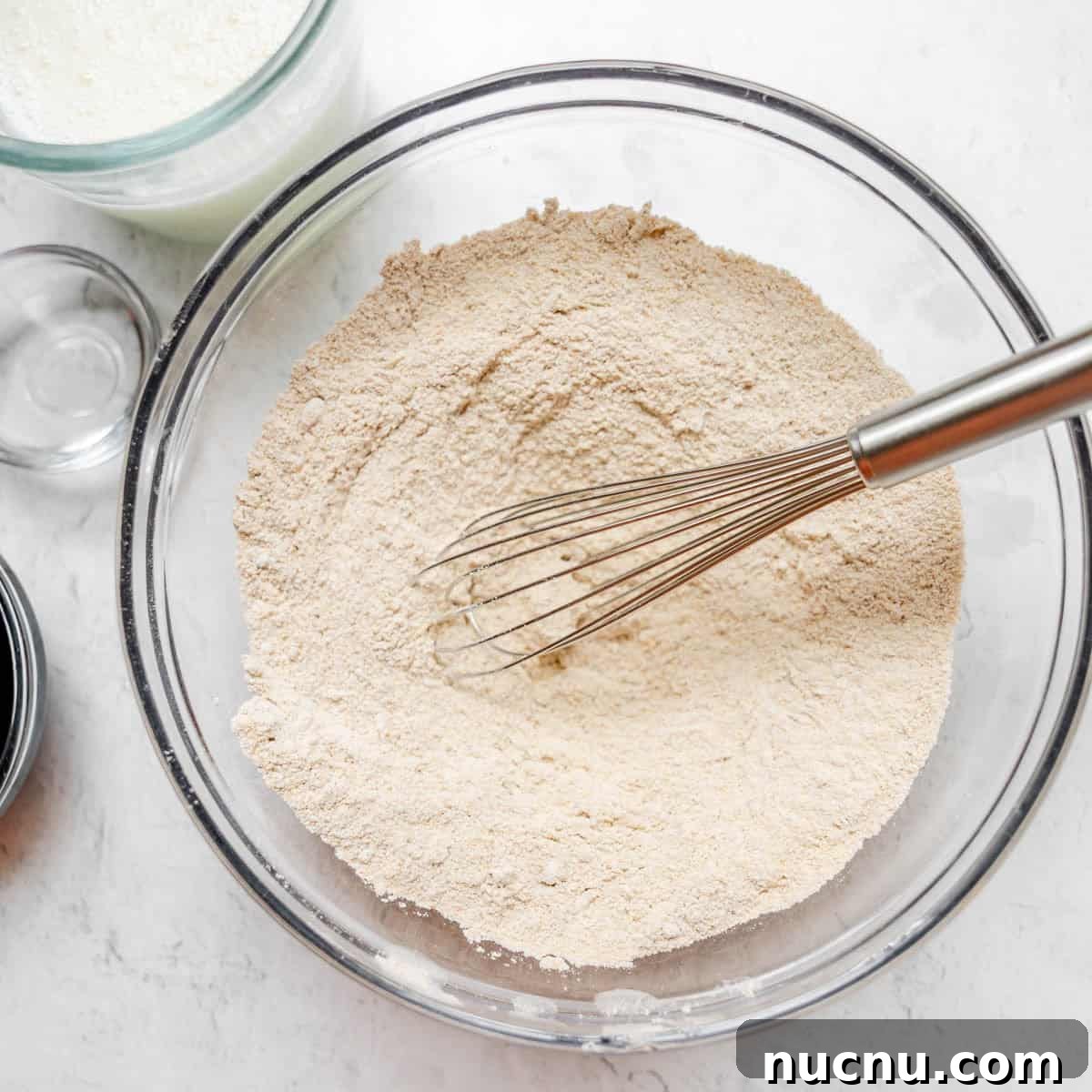
In a large bowl, whisk together the dry ingredients until well combined.
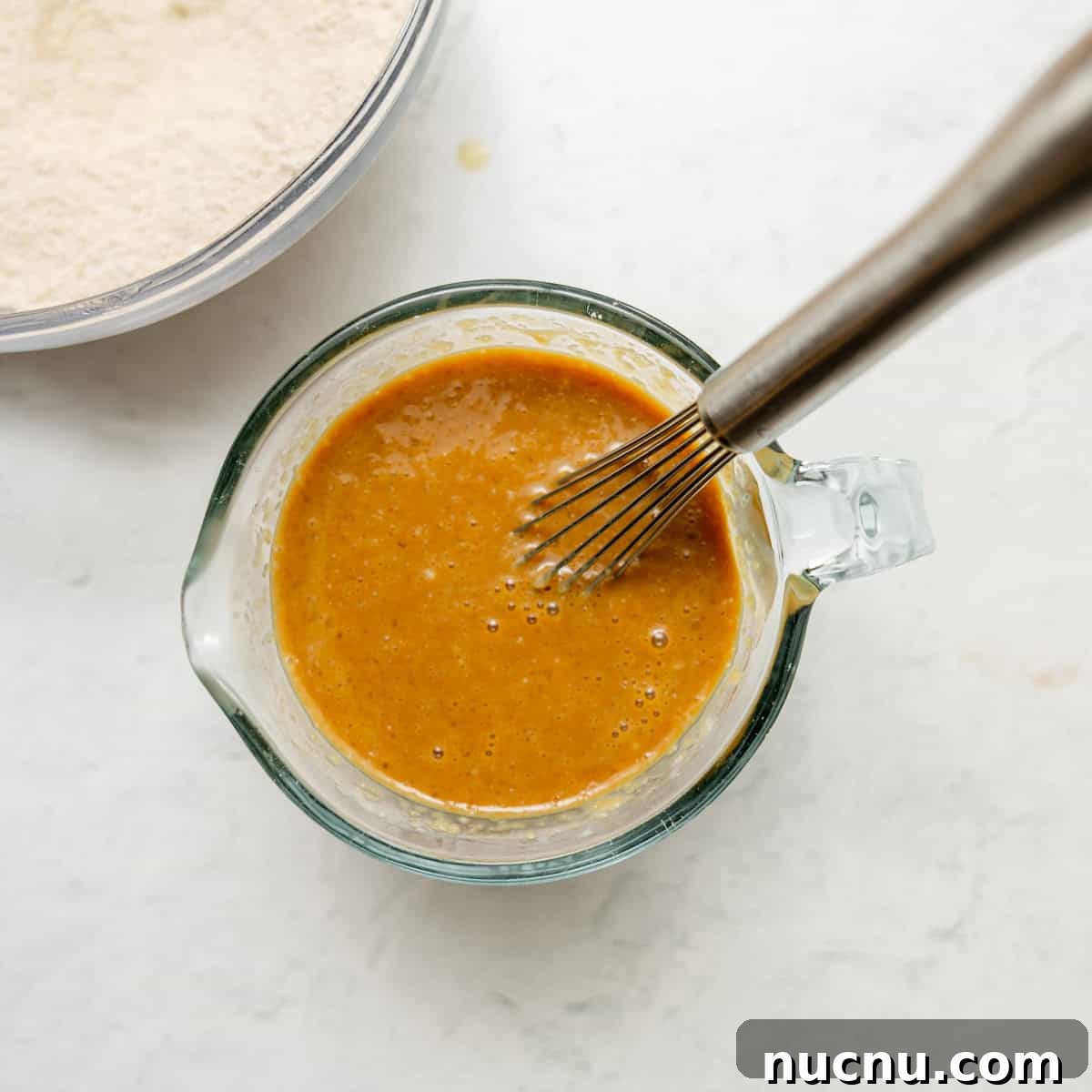
In a separate bowl, whisk the wet ingredients together.
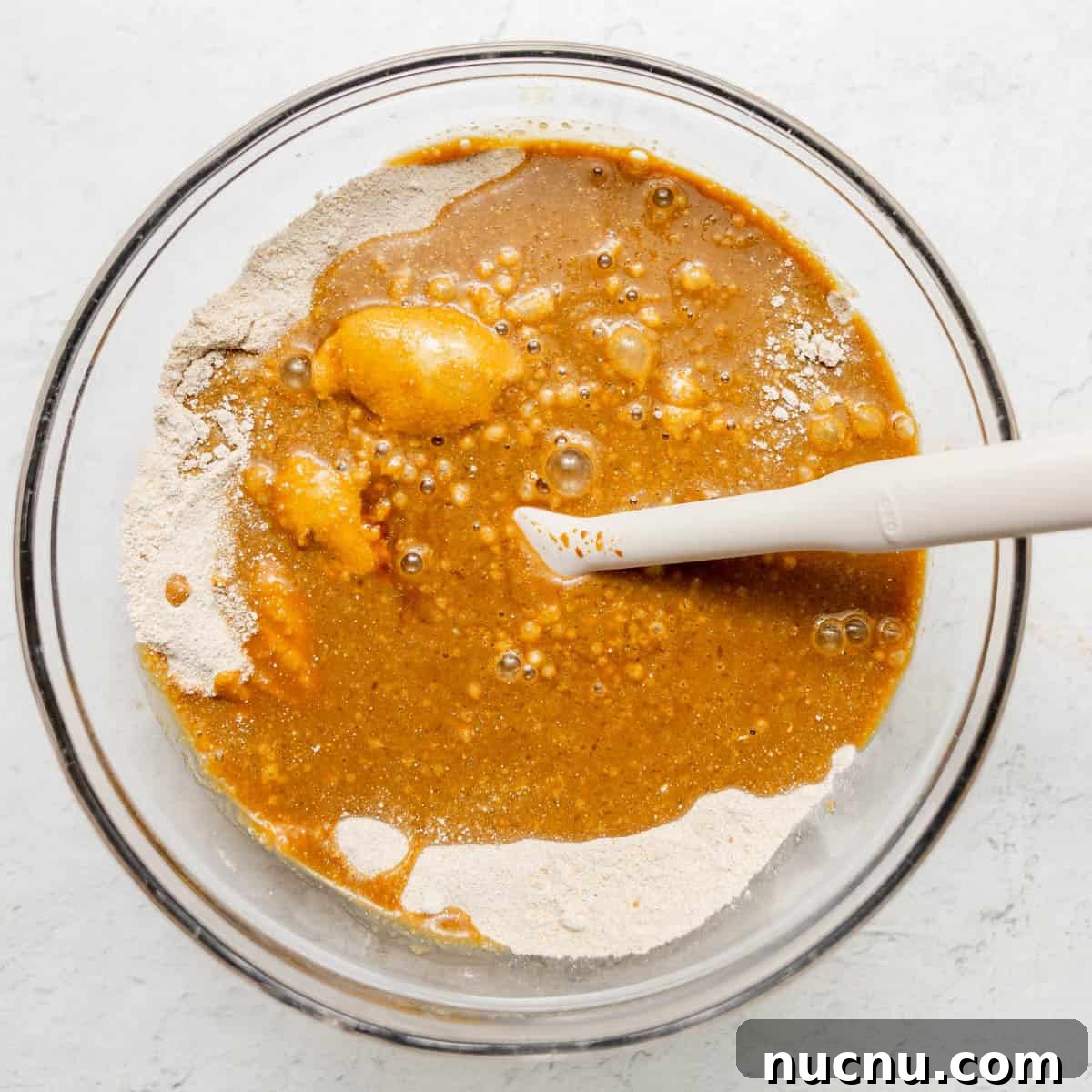
Pour the wet ingredients into the dry and fold together. Add the drained raisins if using.
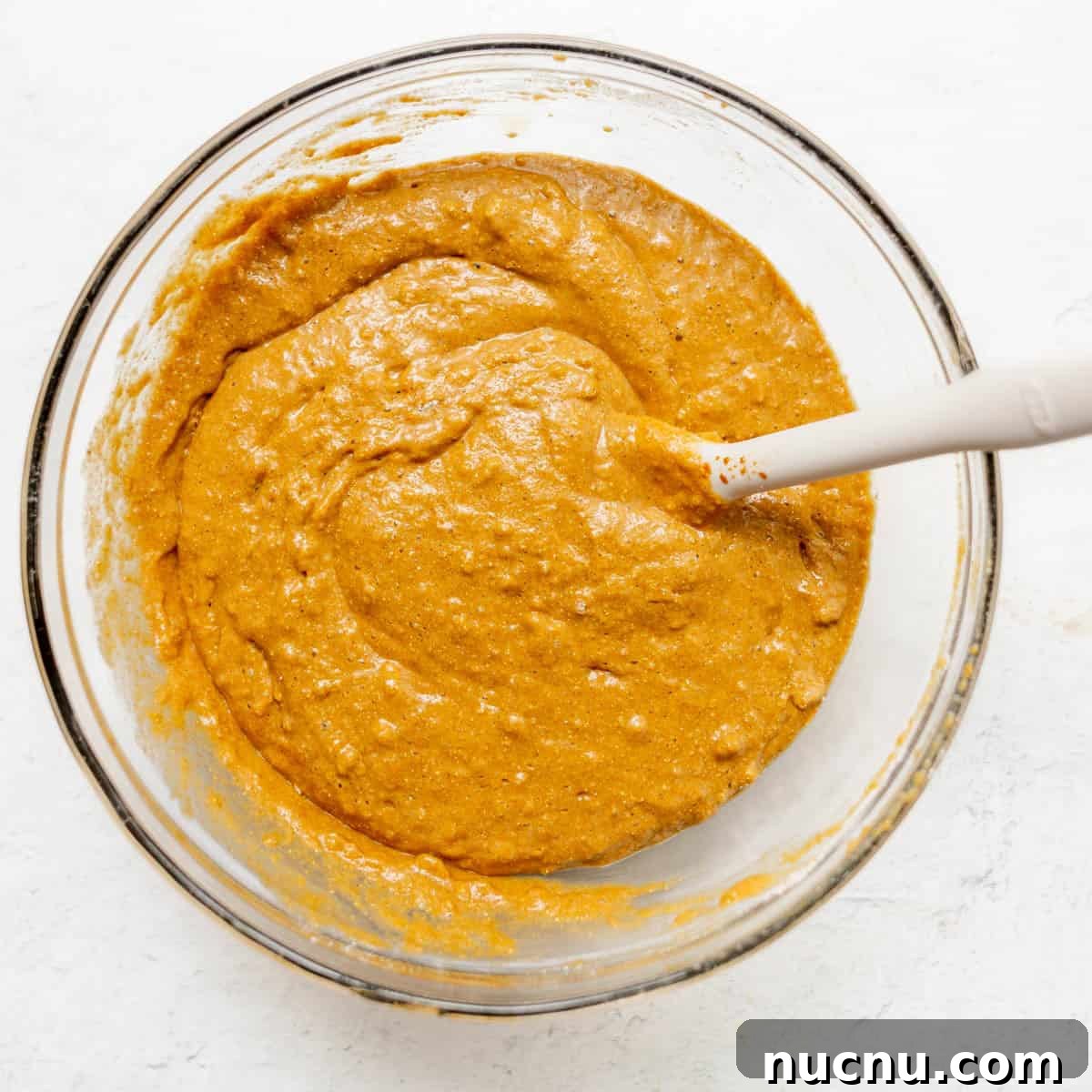
Stir just until no flour streaks remain; avoid overmixing.
Step 3
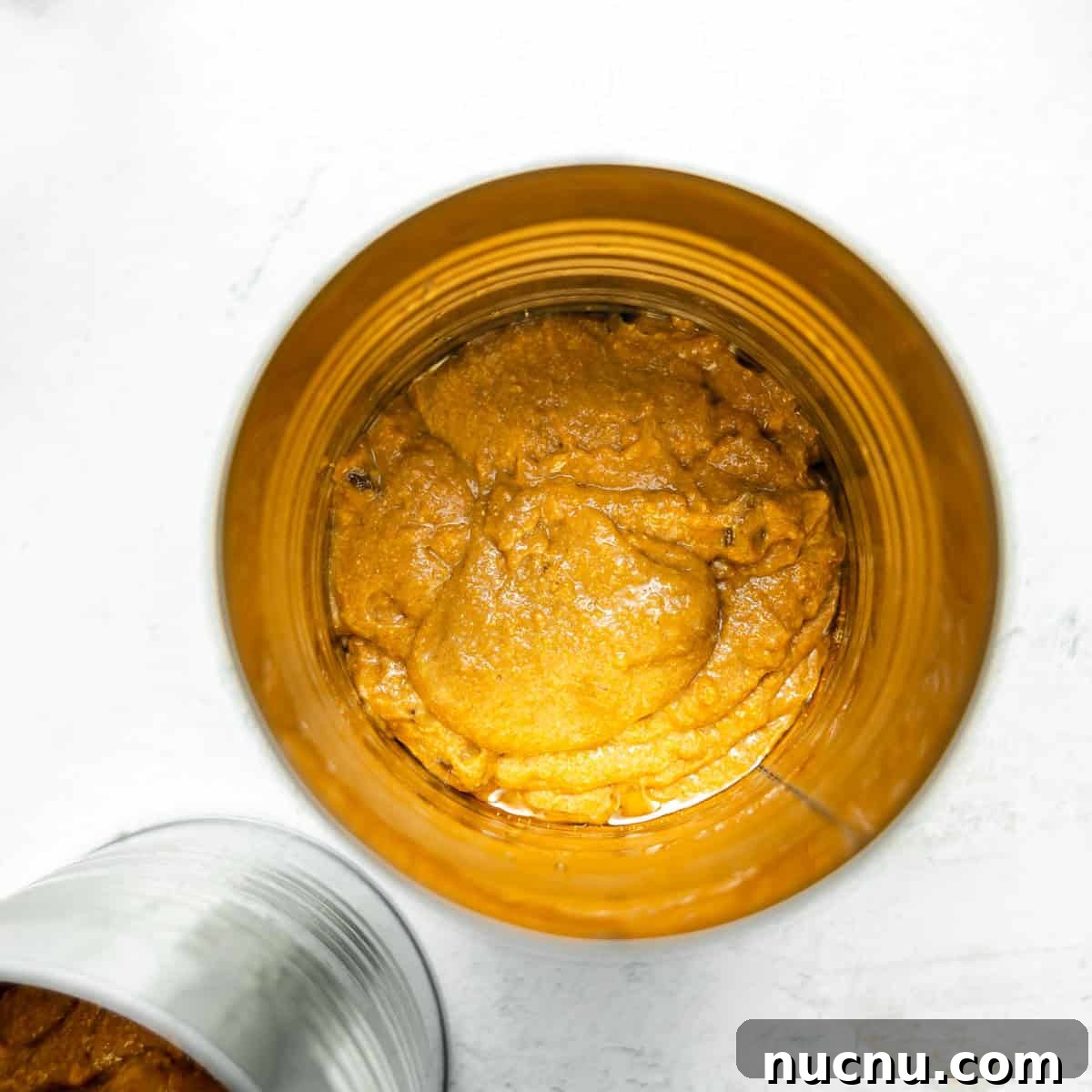
Divide the batter evenly between the prepared cans.
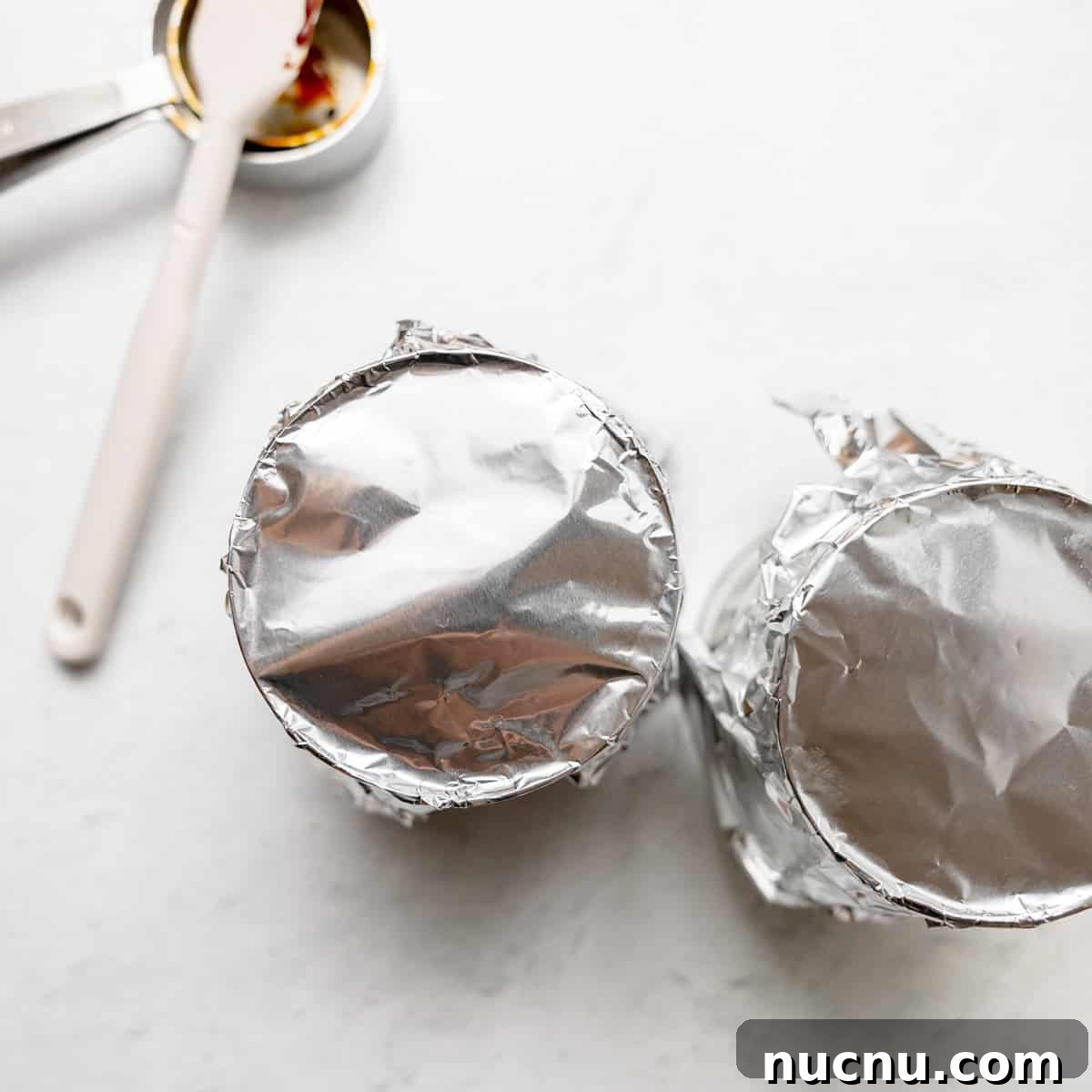
Cover each can tightly with the greased foil (sprayed side down), pinching the edges securely around the rim.
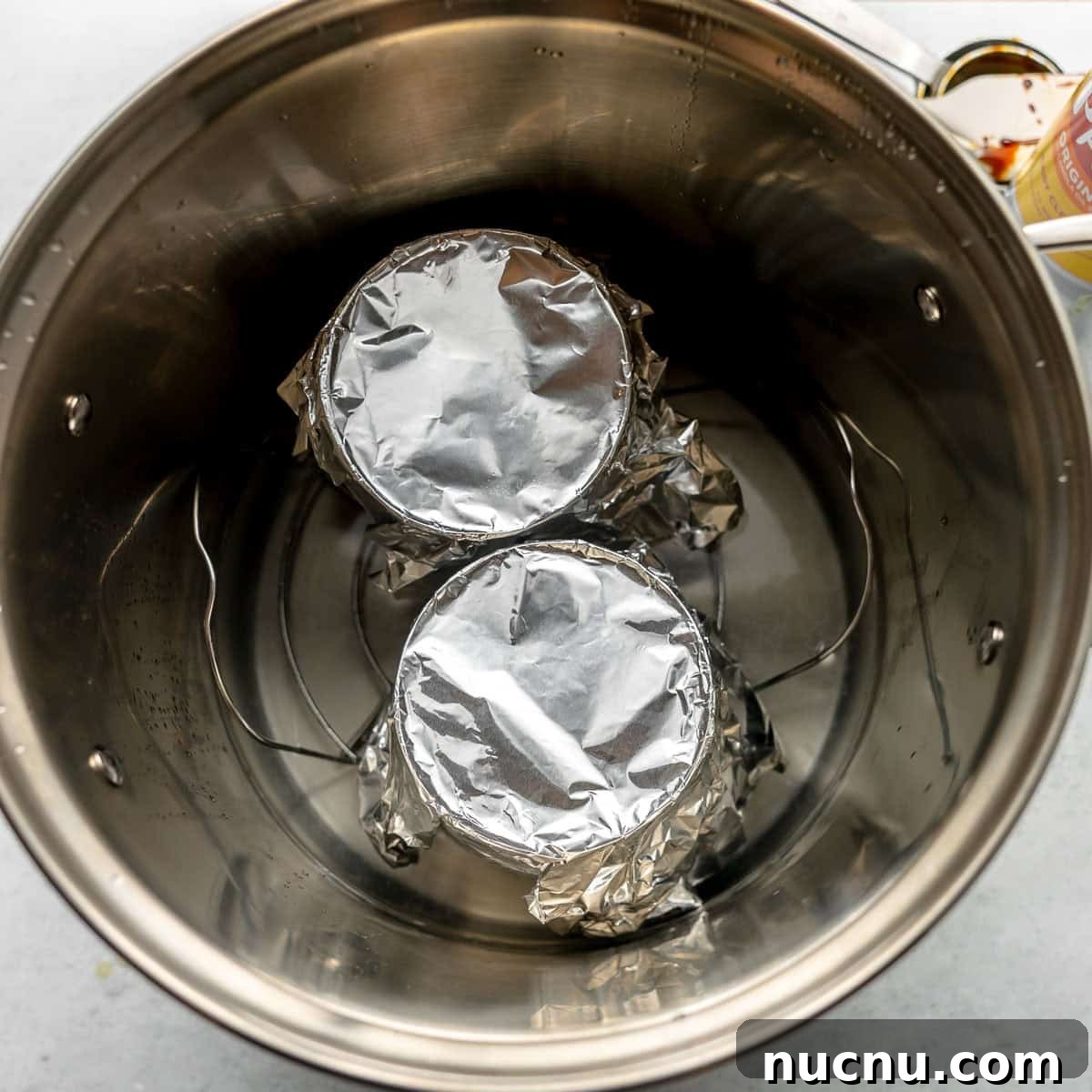
Use tongs to lower the cans into the boiling water. Reduce heat to a gentle simmer, cover the pot, and steam for 90 minutes to 2 hours, or until a skewer in the center comes out with only a few light crumbs. Check the water occasionally and add more if needed to maintain a simmer.
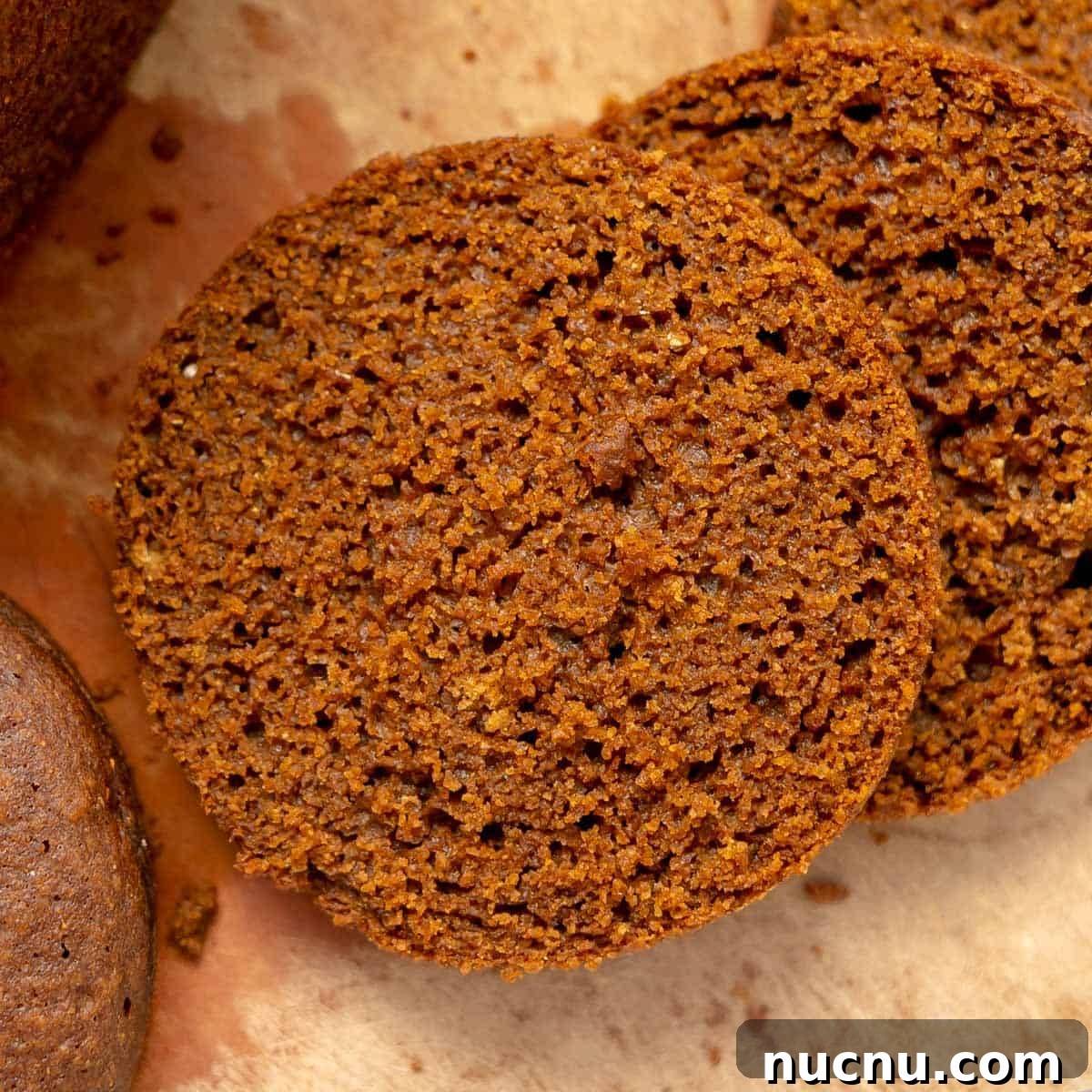
What to expect: Loaves will dome slightly and won’t rise dramatically; centers often sink a bit—this is normal and part of the traditional texture.
Step 4
Carefully remove the cans and let them rest for 5 minutes. The bread should start to pull away from the sides. Slide loaves onto a cooling rack and cool completely before slicing.
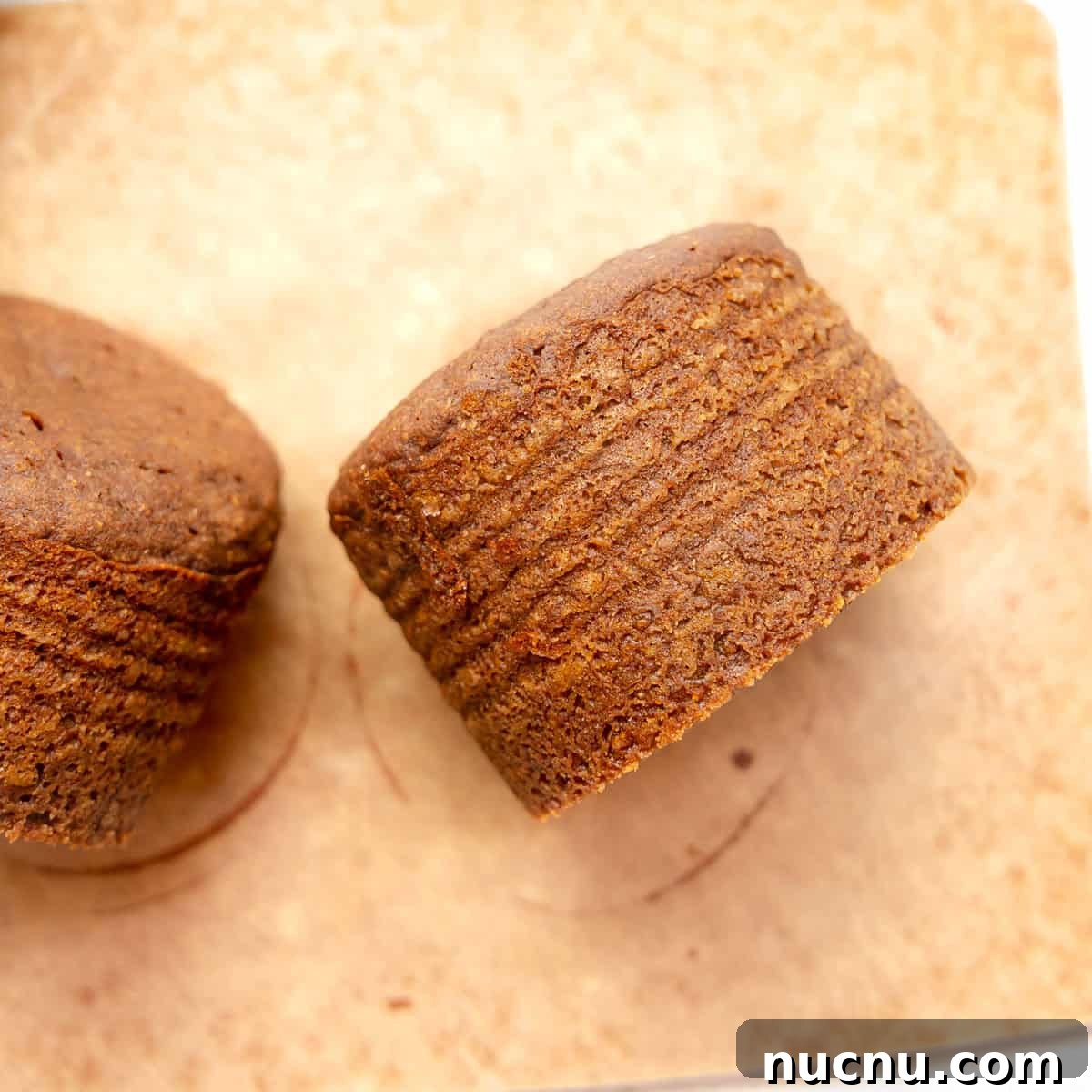
How to Bake Brown Bread (Oven Method)
Preheat the oven to 350°F and grease an 8×4-inch loaf pan. Pour the batter into the pan and cover loosely with foil (tent it so it doesn’t touch the top). Bake 45–50 minutes, until a toothpick shows a few fudgy crumbs and the loaf pulls away from the sides. Let the bread rest in the pan for 5 minutes, then turn it out onto a cooling rack.
Don’t worry if the center sinks slightly or the loaf doesn’t rise much—that dense, moist texture is intentional and typical for brown bread.
Serving Suggestions
Brown bread is traditionally paired with homemade baked beans for a classic New England meal. It also works well:
- With franks or red hot dogs
- Toasted with salted butter or whipped honey butter
- Sliced for breakfast with casseroles or crispy glazed bacon
- Alongside chowders such as New England clam chowder, corn chowder, or cod chowder
Storage
Store leftover slices in an airtight container at room temperature for up to four days. Warm or toast slices before serving to refresh them.
To freeze: Wrap slices or whole loaves tightly in plastic wrap and freeze for up to three months. Thaw before toasting or serving.
More New England Bread Recipes
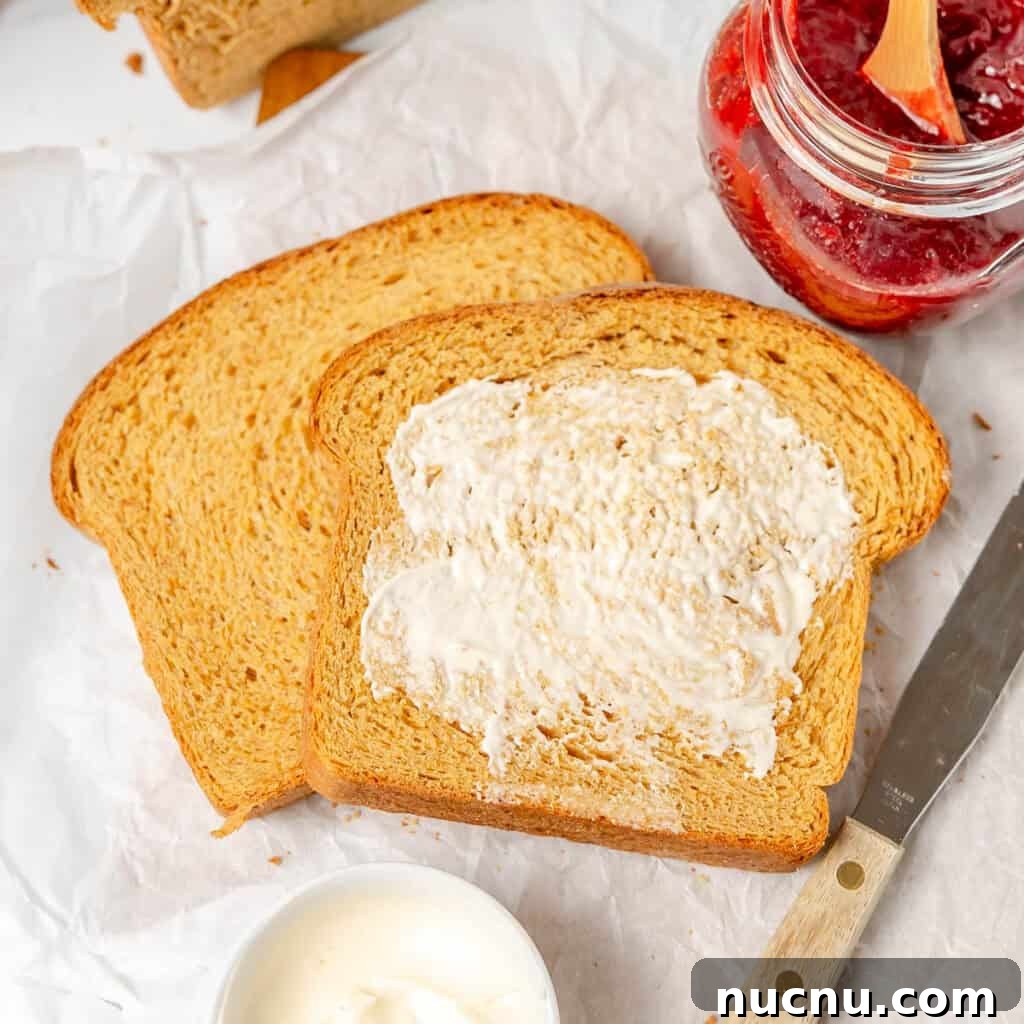
Old-Fashioned Anadama Bread
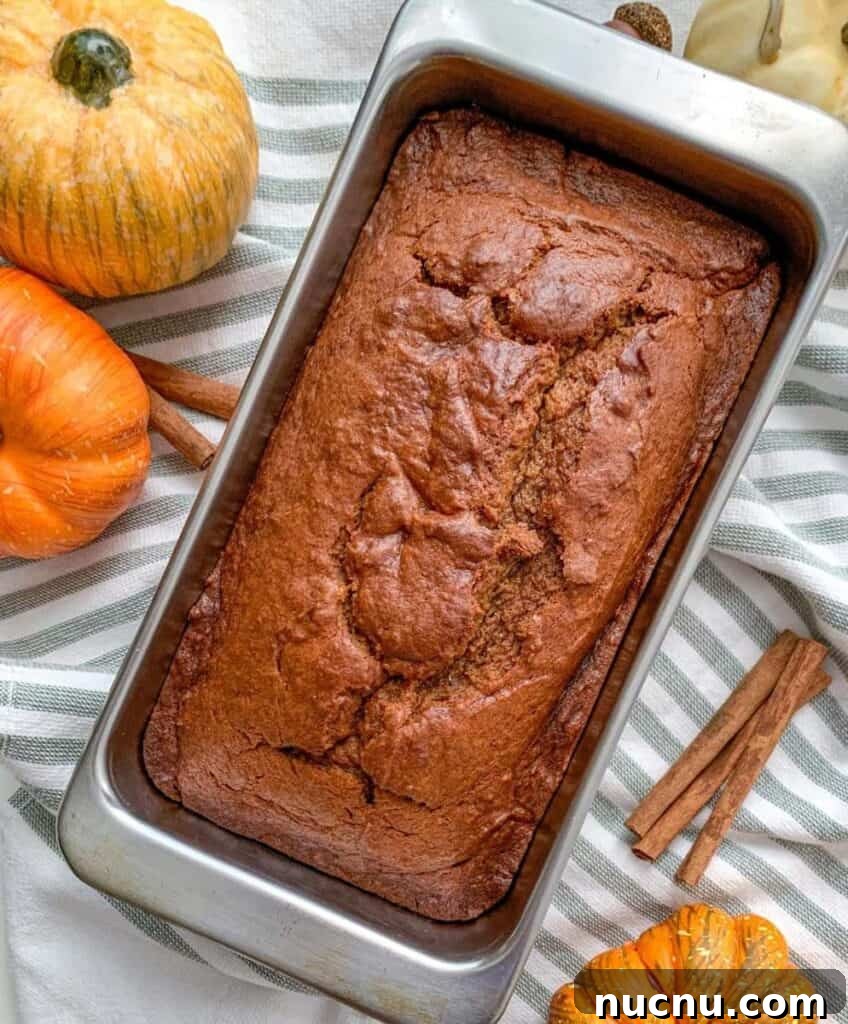
Simple Downeast Maine Pumpkin Bread
Soft and Fluffy Parker House Rolls
Blueberry Zucchini Bread With Lemon Glaze
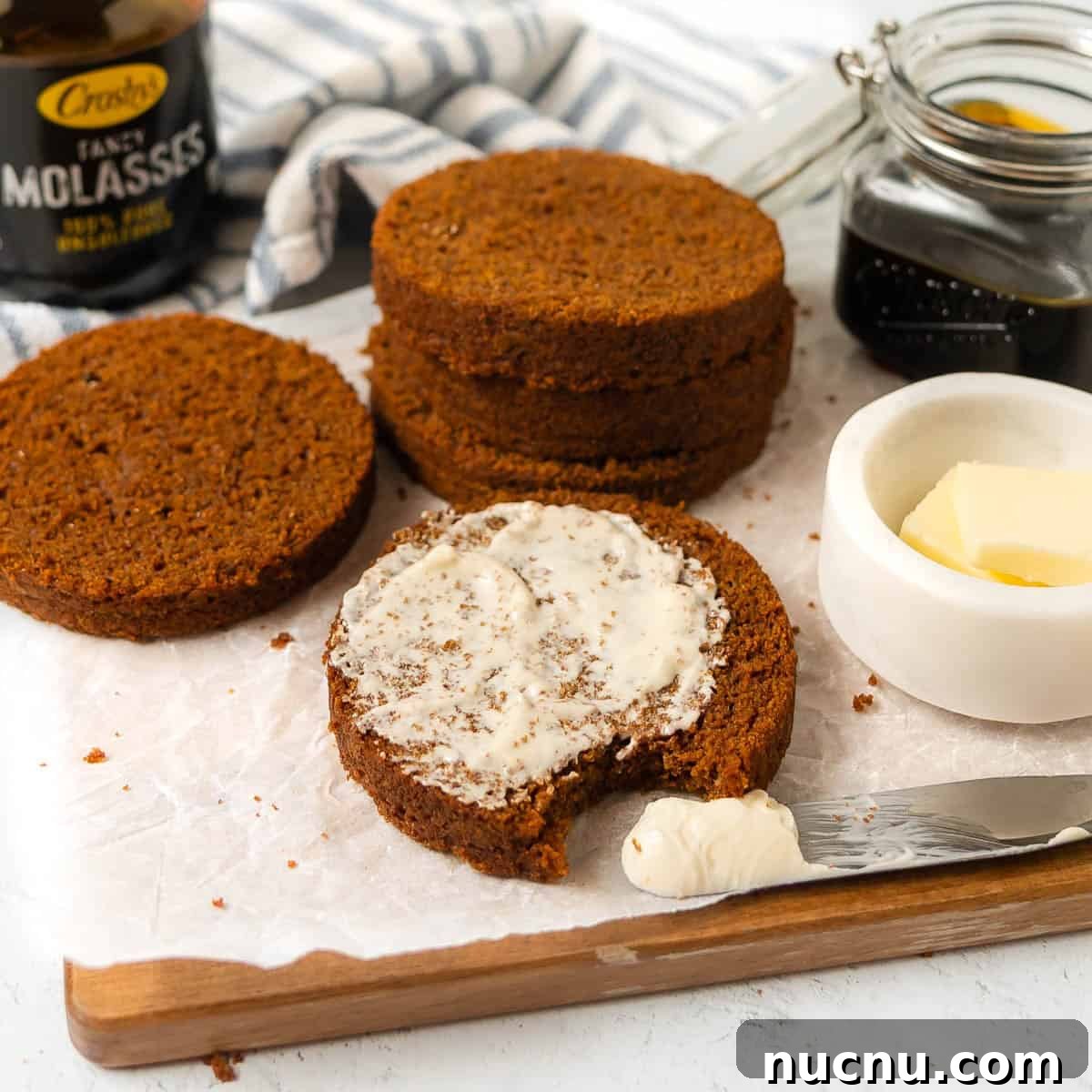
Boston Brown Bread Recipe
Print
Pin
Rate
Equipment
- 1 12-qt stock pot
- 2 cans (28 oz each), cleaned with labels removed
- Steam rack (optional)
Ingredients
- 1/2 cup rye flour
- 1/2 cup whole wheat flour
- 1/2 cup fine yellow cornmeal
- 3/4 teaspoon baking soda
- 1/2 teaspoon baking powder
- 1/2 teaspoon coarse Kosher salt
- 1 cup buttermilk
- 1/3 cup molasses
- 2 teaspoons white vinegar
- 2 tablespoons unsalted butter, melted (optional)
- 1/2 cup raisins (optional)
Instructions
- If using raisins: Place them in a small bowl, cover with hot water, soak 15 minutes, then drain and set aside.
- Whisk the flours, cornmeal, baking soda, baking powder, and salt together in a large bowl.
- Whisk the wet ingredients together in a separate bowl. Pour the wet into the dry and stir until no flour streaks remain. Fold in the drained raisins if using.
Steaming In A Can
- Spray two clean 28-ounce cans with cooking spray. Spray one side of two foil pieces. Fill a large pot with water to 2 inches up the sides of the cans and bring to a boil. Place a steamer rack in the pot if available.
- Divide batter evenly between the cans (about 6.5 oz per can). Cover each can tightly with the greased foil, sprayed side down, and pinch edges to seal. Use tongs to lower the cans into boiling water.
- Reduce heat to a simmer, cover the pot, and steam 90 minutes to 2 hours, until a skewer comes out with just a few light crumbs. Keep an eye on the water level and add more if needed.
- Remove the cans carefully and let rest 5 minutes. The bread should pull away from the can sides. Slide loaves onto a cooling rack and cool completely before slicing.
Baking Instructions
- Preheat oven to 350°F and spray an 8×4-inch loaf pan. Pour batter into the pan.
- Cover the pan loosely with foil (tent so it doesn’t touch the bread) and bake 45–50 minutes, until a toothpick shows a few fudgy crumbs and the bread pulls away from the sides.
- Let rest in the pan 5 minutes, then turn out onto a cooling rack. Allow to cool before slicing.
Notes
Nutrition
| Calories: 198kcal