It’s been five weeks since I started this journey, and there have been highs and lows. I’ve experienced six clear incidents of gluten contamination, which has been eye-opening. I’m surprised by how many everyday products contain wheat and by how little exposure can trigger a reaction. For example, I ordered a hamburger without the bun at a restaurant. When it arrived, the vegetables were placed on the top bun and the patty rested on the bottom bun. I mentioned the error, but by then it had taken too long to fix, so I removed the bun and sent it back. That one side of the burger briefly touching the bun caused a reaction the next morning. It wasn’t life-threatening, but it was unmistakable.
Another unexpected source was Play-Doh. I didn’t eat it, yet handling ten jars over two days led to symptoms. That experience made me realize how easily cross-contact can happen in ordinary situations.
Because my reactions haven’t been severe anaphylaxis, it’s tempting to underestimate the seriousness. It’s clear that avoiding large servings of food made with flour, wheat, or gluten prevents the worst outcomes, but even small exposures make me anxious. I worry the reaction will last and affect my ability to work or travel. I’m still learning how to navigate this new reality.
Shopping for staple gluten-free items can be straightforward. Labels and in-store markers, like the green “gluten free” stickers at Whole Foods, make choices easier. Yet I try to be practical: rather than buying packaged gluten-free bread crumbs, I can make my own from safe ingredients and store them correctly. I avoid buying gluten-free stir-fry sauce when I don’t want the same flavor every time I cook. At the same time, some substitutions are daunting—replacing gluten in baking is tricky—so I’m willing to buy a reliable gluten-free baking mix and call it a day.
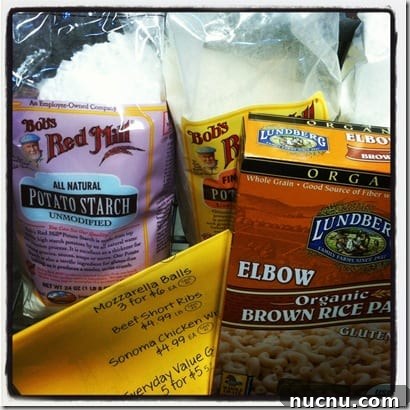
It’s easy for someone new to a restricted diet to fill a cart with convenience packages, but I keep returning to my nutrition goals: prioritize whole foods, minimize processing, and limit added sugars and refined carbs. For my first round of shopping I focused on versatile items: nut flours, potato starch, a pancake mix, granola, brown rice wraps, and gluten-free pasta. Potato starch is great for thickening gravies, sauces, and soups. Almond and coconut flours work well for baking recipes that don’t require significant rising. The pancake mix is for quick mornings or when I need convenience.
There are bright spots: kettle-cooked potato chips are gluten-free, and dark chocolate remains a safe and welcome treat. Small comforts like these help as I adapt to a gluten-free lifestyle.