This post contains affiliate links, but the review is my own. I received the ProLon box for free, in exchange for my honest review.
The science supporting anti-aging effects of fasting and calorie restriction is growing. I was curious to try the ProLon Fasting Mimicking Diet, so here is my honest review.
During fasting or calorie restriction the body initiates autophagy, a cellular cleanup process that removes damaged proteins and organelles and supports cell repair. Animal studies suggest this process can slow aspects of aging, though human research is still evolving. When I read Valter Longo’s work on fasting, I was intrigued by his ProLon Fasting Mimicking Diet (FMD): a five-day, pre-portioned program designed to trick the body into a fasting state while delivering modest nourishment so you don’t feel starved.
What is the Prolon Diet?
The ProLon Fasting Mimicking Diet is a five-day kit of pre-portioned, packaged foods formulated to provide the right balance of micro- and macronutrients so your body behaves as if it is fasting while still receiving minimal calories to support metabolism and energy. The kit is convenient but not inexpensive — retail price is around $250 — and that cost can make participants more committed to completing the full five days.
What do you eat on the Prolon Diet?
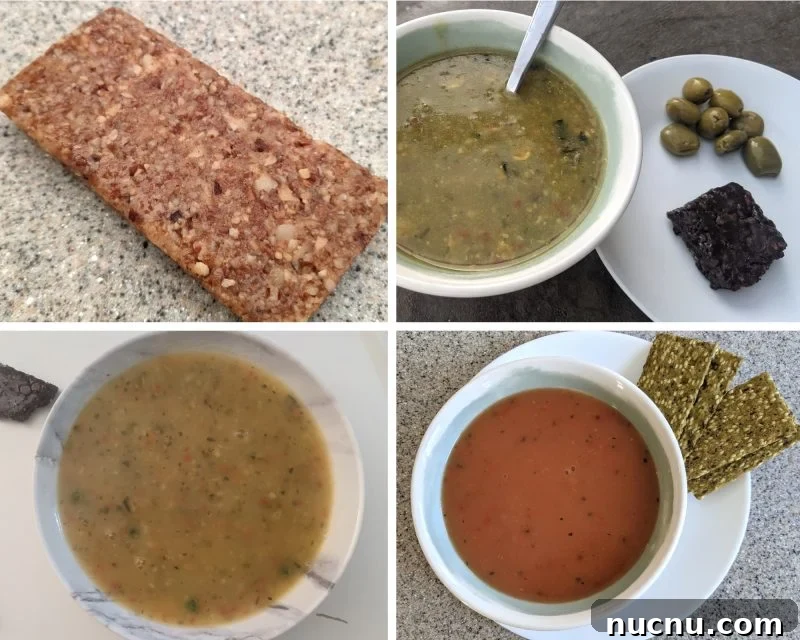
The ProLon meals are intentionally low in protein and carbohydrates and moderately higher in fats sourced from nuts, crackers, and olives. Typical items in the kit include herbal teas, vitamin supplements, soups, olives, bars, crackers, and a specially formulated drink. Day 1 contains the most calories (around 1,100), while days 2–5 range roughly between 660 and 800 calories.
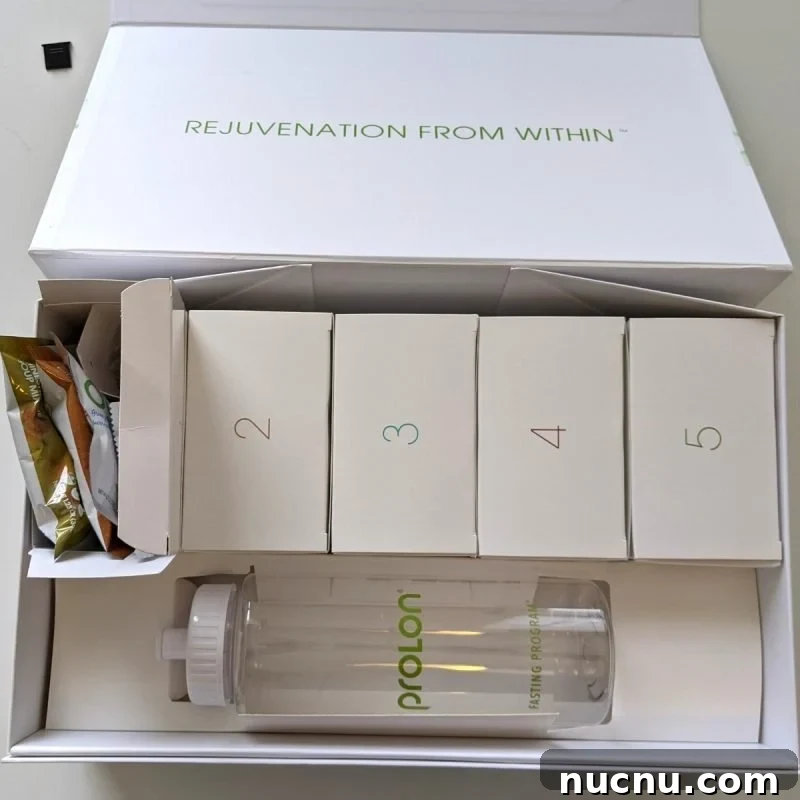
Each day typically includes a combination of:
- The L-Bar, a chewy nut bar similar to other nut bars.
- Shelf-stable soups in flavors such as tomato, minestrone, vegetable, and quinoa minestrone.
- Sesame kale crackers on select days.
- Small servings of olives, flavored with garlic or sea salt on some days.
- A chocolate crisp bar on a couple of days.
- Herbal teas like mint, mint & lemon, and hibiscus.
- A few supplements including a formulated drink and vitamins.
My Review and Results of the Prolon Diet
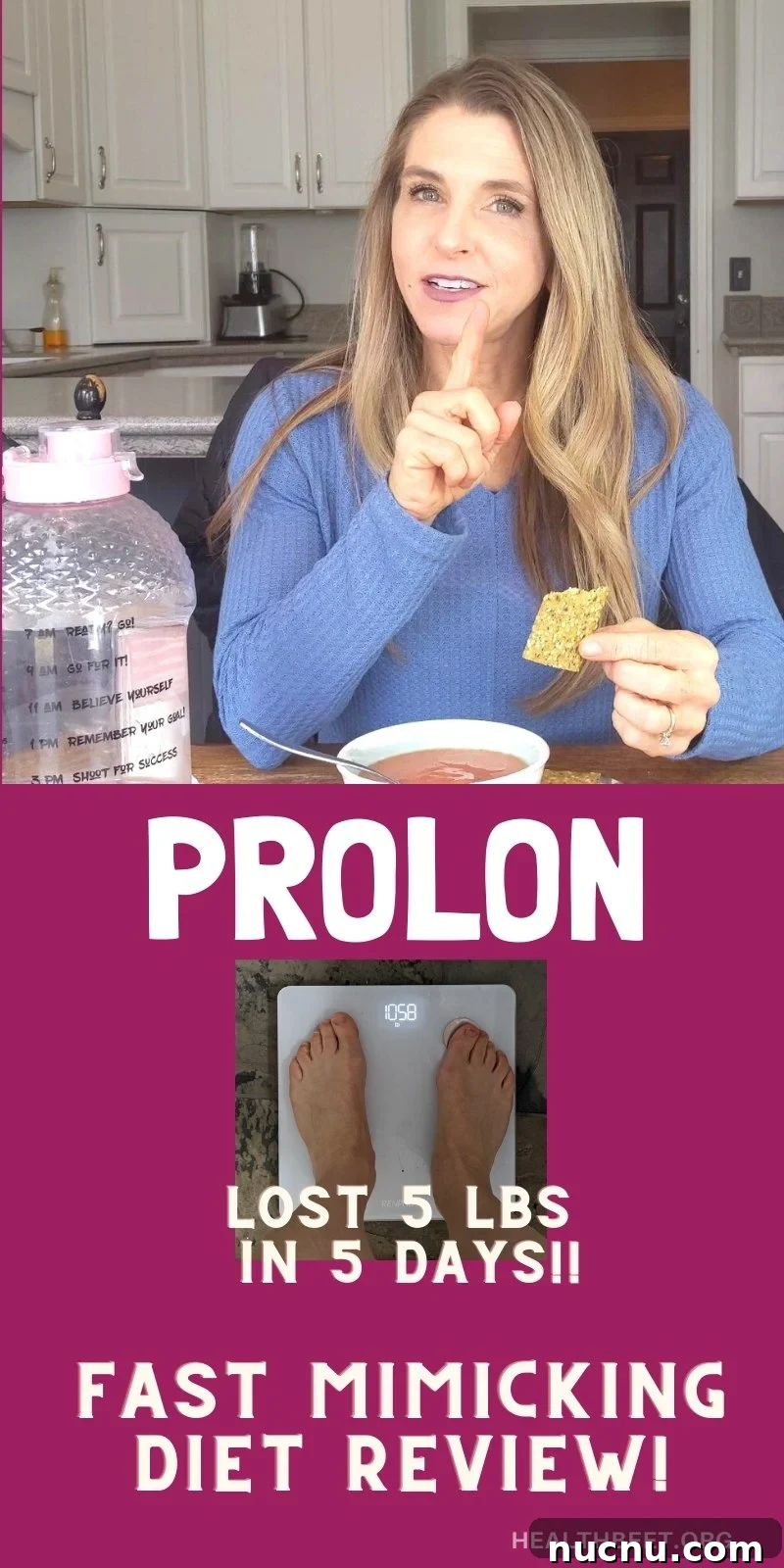
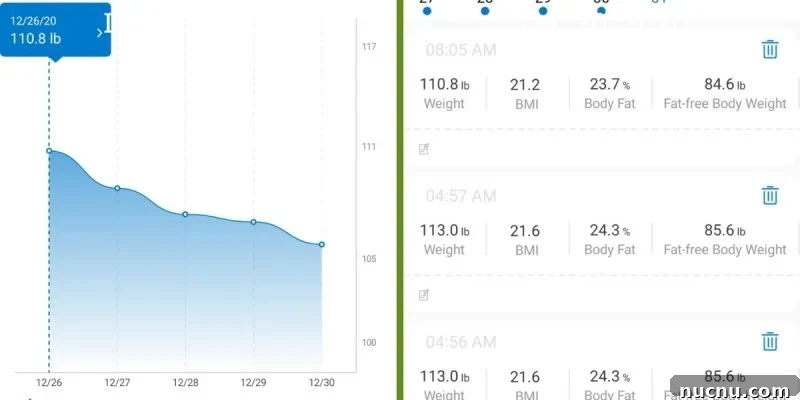
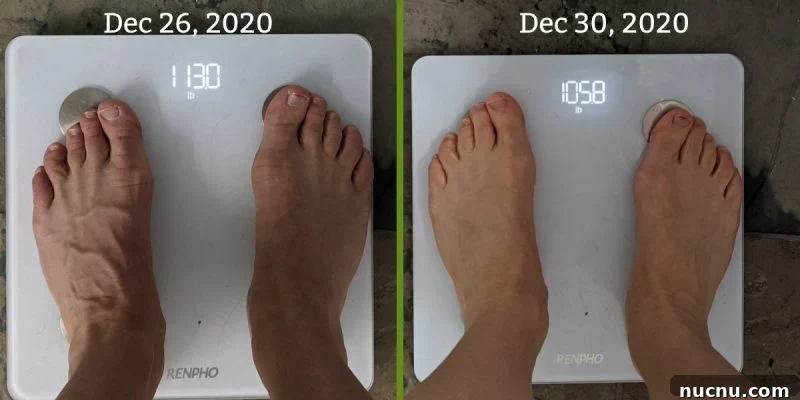
I wasn’t attempting to lose weight, but I did drop five pounds over the five days (eight pounds if counting a higher morning weight immediately after the holidays). While weight changes can reflect fluid shifts as well as fat loss, I did feel noticeably better during the program.
During the five days I experienced:
- Plenty of energy for daily tasks.
- Greater productivity at work, likely helped by reduced eating and fewer kitchen distractions.
- Good sleep quality.
Could I have achieved similar effects by self-imposed calorie restriction? Possibly, but the main benefit of the ProLon kit was convenience and structure. Having pre-portioned items removed the need to calculate or prepare meals, and minimized time in the kitchen where I’m more likely to snack. The kit also highlighted how often I eat out of boredom; staying busy and distracted made the days much easier.
What did the 5 days of ProLon look like?
Day 1: The most food of the program (about 1,035 calories). I delayed breakfast and felt satisfied, energetic, and motivated to continue.
Day 2: Around 690 calories. I stayed busy—church and a movie—and enjoyed the soup and granola-style bar. Foods tasted especially good when hungry.
Day 3: Rougher mentally. At about 882 calories, it felt like the longest day. Distraction helped; I watched a movie and went to bed early.
Day 4: Approximately 680 calories. I prioritized sleep and activity—yoga, volunteering and work—and felt steady with good energy.
Day 5: Final day at about 660 calories. I felt productive and not especially hungry, though happy to finish the program.
What I liked about the ProLon Diet
- It reinforced that calories matter—despite the higher fat and lower protein composition, the calorie restriction produced weight loss.
- The program revealed mental and emotional eating patterns; it forced me to face boredom and stress without turning to food, and I found alternative coping tools helpful.
- I learned that many hunger cues are driven by boredom rather than true need.
- The portion control helped me avoid overeating on low-calorie, high-volume items and left me feeling lighter.
- While it’s unclear whether specific benefits come from the particular foods in the box or simply from calorie restriction, the convenience of a ready-made plan removes the burden of meal planning and tracking.
What I didn’t like about the ProLon Diet
- The price is high relative to the quantity of food provided.
- Excessive single-use packaging creates more waste to manage.
- Some flavors, like the teas and certain drinks, were not to my taste.
Would I do it again?
ProLon recommends repeating the five-day cycle every three to four months for optimal results. I’m likely to try it again. I’m skeptical of “cleanses” that rely on dubious drinks, but I do find the science around periodic calorie restriction and cellular rejuvenation compelling enough to repeat the program occasionally.
I’d love to hear if you’ve tried ProLon and what your experience was. Share your thoughts in the comments.
If you decide to try it, I used an affiliate link and a coupon code during my purchase.
Download the free 7 Day Meal Plan here.
If you liked these Printable Portion Sizes Chart options, you might also like
- 5 Steps to Calorie Counting for Weight Loss {With Printable calorie planner}
- 100 Calorie Mug Brownie
- 9 Healthy Chicken Recipes for Weight Loss
- Cinnamon Maple Roasted Butternut Squash
- Dark and Creamy Chocolate Banana Smoothie
- Low Cal Bread
- 1400 Calorie Meal Plan High Protein
- Low Calories Pasta Recipe
- MyPlate Meals
- 1400 Calories a Day Meal Plan
- Weight Watcher Brownie Cheesecake Recipe