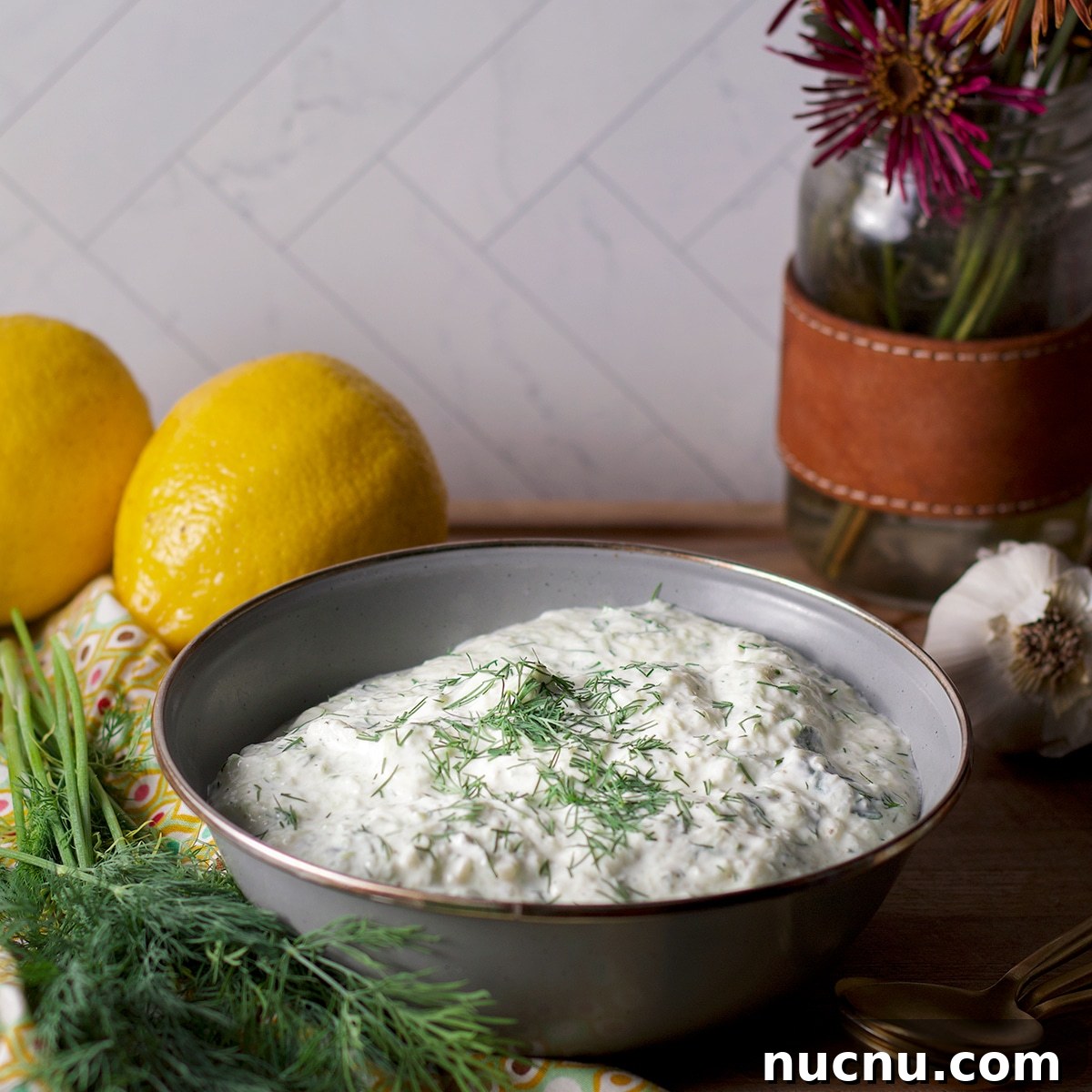
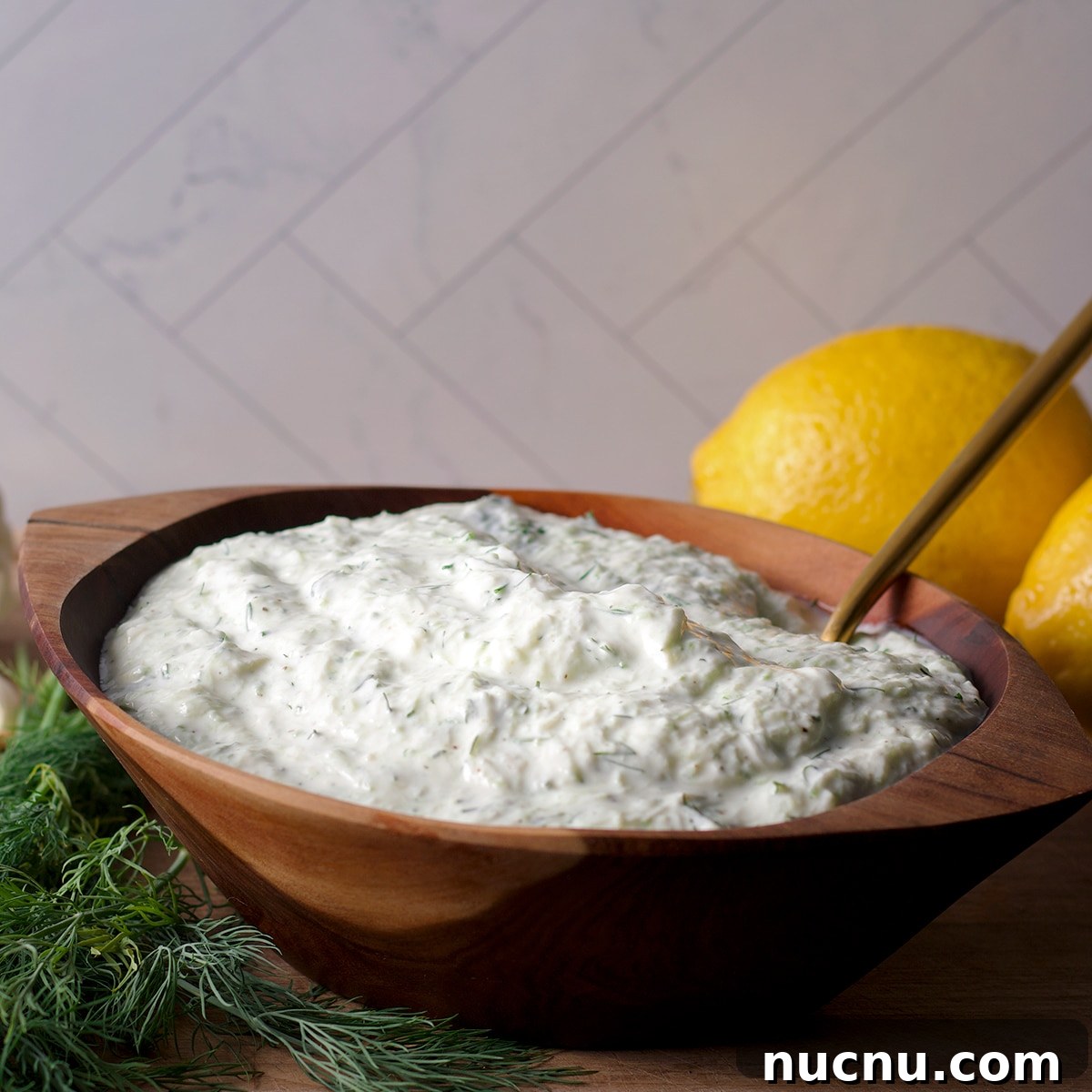
Tzatziki is a quick 10-minute yogurt sauce that plays a central role in Greek and Mediterranean cooking. It’s cool, creamy, and mildly tangy, with bright notes of garlic, lemon, and fresh herbs like dill.
The charm of tzatziki is its flexibility. You can make it vegan simply by choosing a non-dairy, Greek-style yogurt. Swap dill for mint, adjust the garlic or lemon to taste, or add other herbs and spices to suit your meal.
Homemade tzatziki is a versatile condiment: use it as a dip, a sauce, or a dressing to elevate vegetables, grilled or roasted meats, fish, salads, sandwiches, wraps, cheese boards, and mezze platters in minutes.
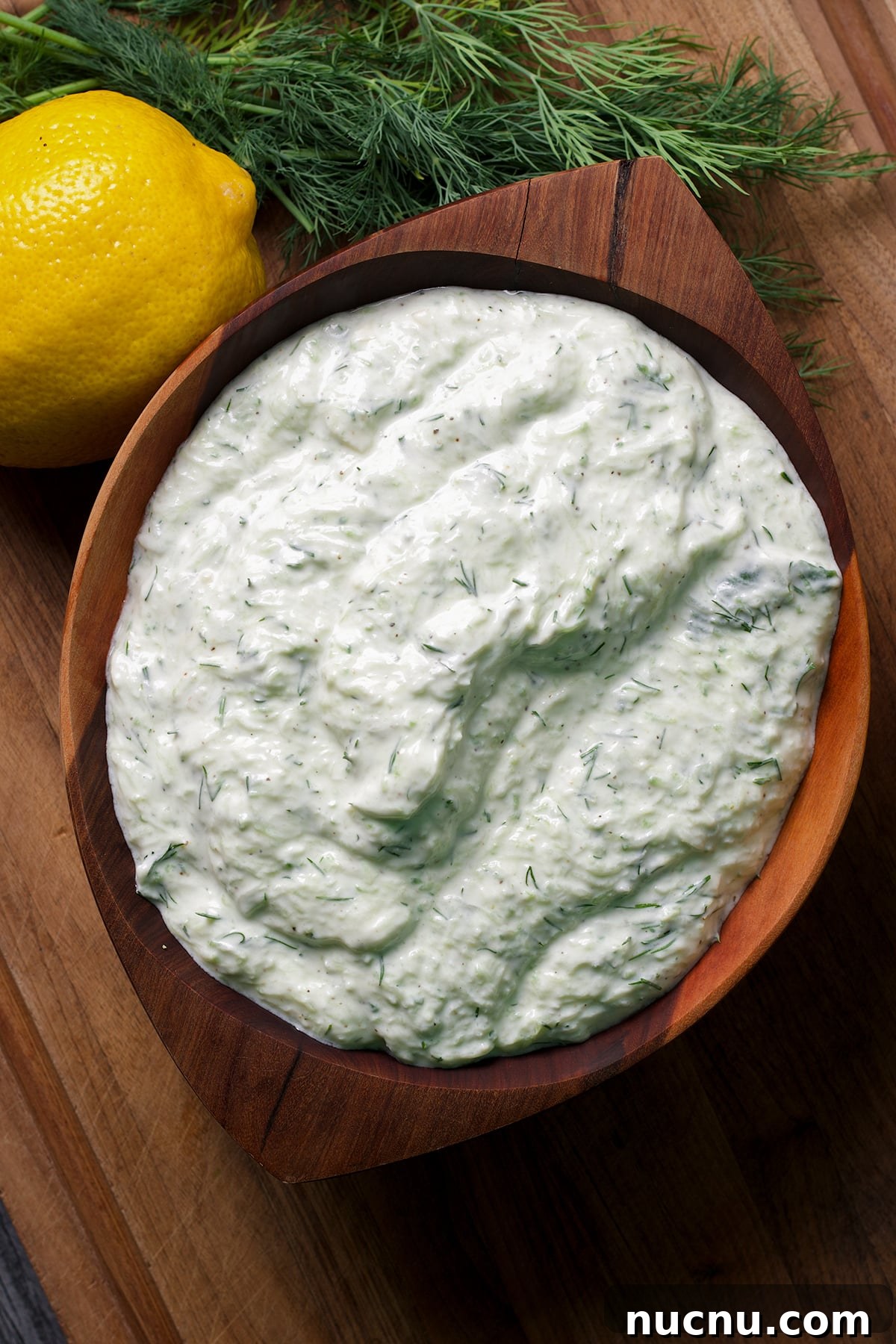
Why make tzatziki at home instead of buying it?
Store-bought tzatziki is convenient, but flavors and quality vary widely between brands and locations. Making your own ensures the fresh taste you want and lets you tailor the sauce to your preferences. Best of all, it takes about 10 minutes to prepare.
Reasons to make homemade tzatziki:
- Customize the balance of lemon, garlic, and herbs to suit your palate.
- Quick and simple: most recipes take roughly 10 minutes and leftovers keep for a few days in the refrigerator.
- Uses common, easy-to-find ingredients.
- Traditional and vegan versions differ only by the type of yogurt you choose.
SUMMARIZE AND SAVE THIS RECIPE ON:
Ingredients Needed to Prepare this Recipe
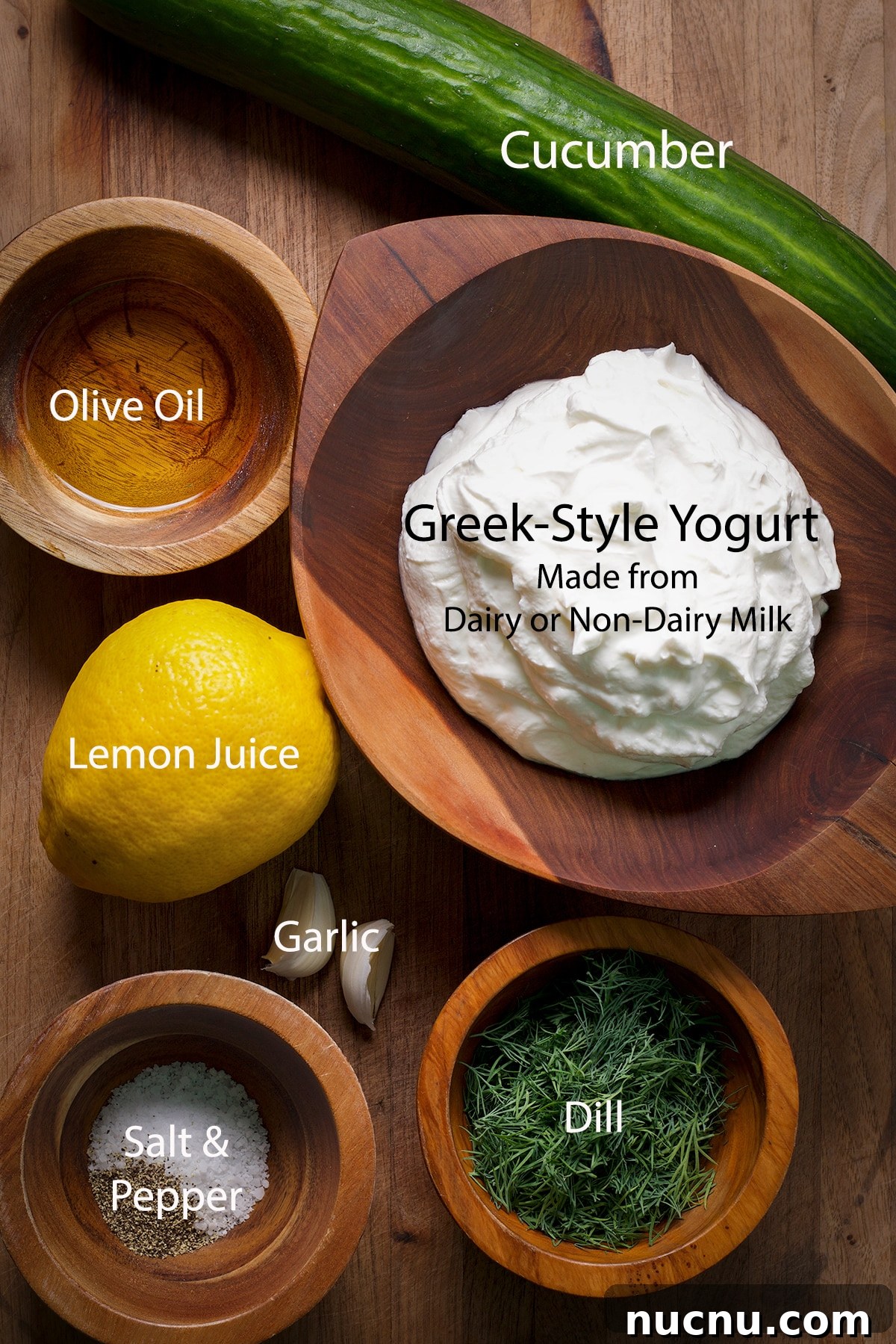
- Grated cucumber. English cucumbers are ideal because they’re less bitter, have thinner skins, and have smaller seeds that are easier to grate and eat.
- Greek-style yogurt. The consistency of the yogurt matters—Greek-style yogurt keeps tzatziki from becoming too runny. For a traditional version use dairy Greek yogurt; for vegan tzatziki choose a thick, Greek-style dairy-free yogurt.
- Extra virgin olive oil. A small amount adds richness and rounds the flavors.
- Fresh dill. If you don’t like dill, substitute mint, parsley, or omit it entirely.
- Lemon juice. Acid brightens the sauce; white or red wine vinegar also works if you prefer.
- Garlic. Start with one or two cloves, then adjust to taste—garlic intensity varies, so taste and add more if desired.
- Salt and black pepper to finish.
Step by Step Photos and Instructions
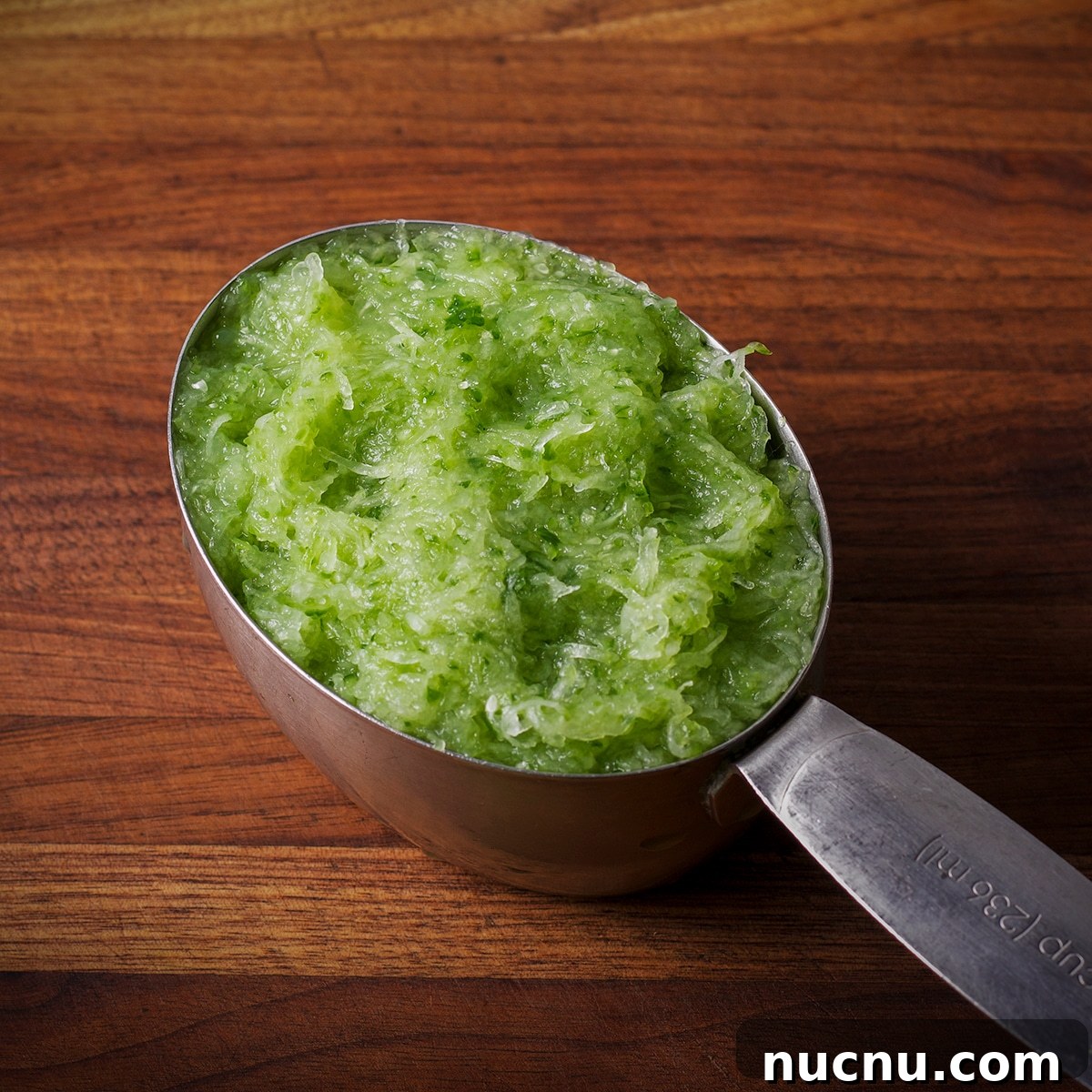
Grate the cucumbers. Cucumbers hold a lot of water, so after grating, squeeze out as much liquid as possible by hand or in a clean kitchen towel. Pack the drained cucumber into a 1-cup measure.
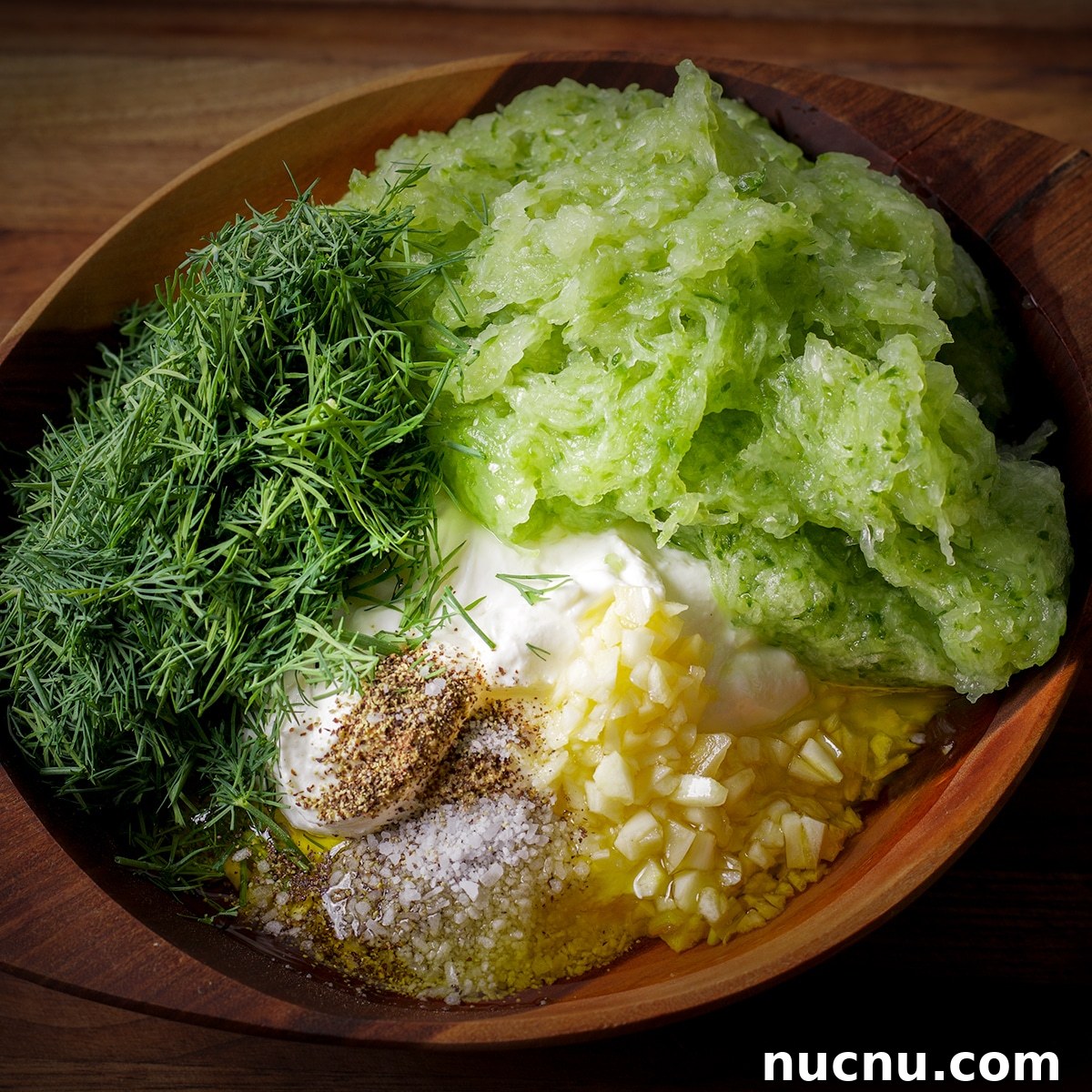
Place the drained cucumber in a medium bowl and add the yogurt, olive oil, chopped dill, lemon juice, minced garlic, salt, and pepper.
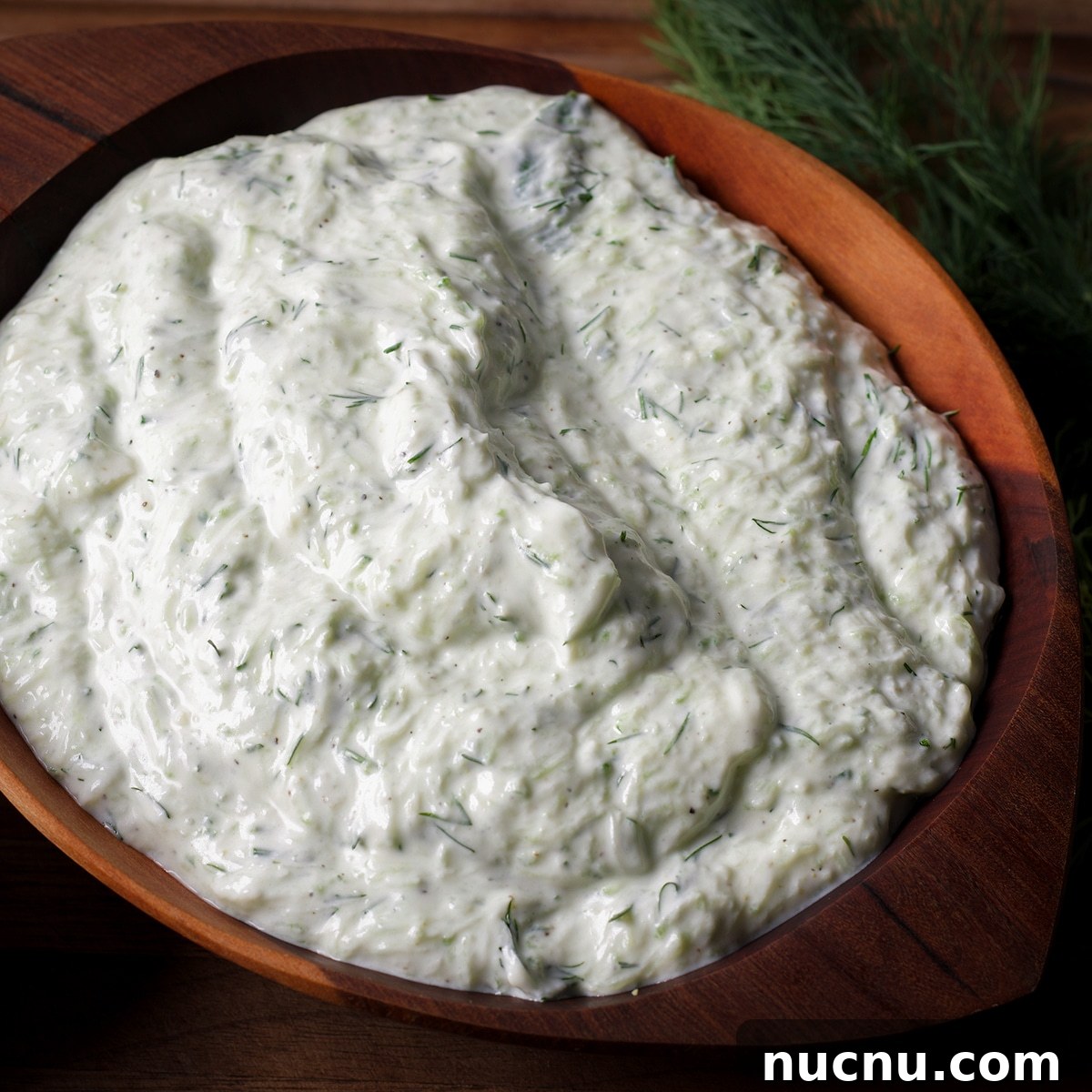
Stir everything until combined, then let the mixture rest for 5–10 minutes so the flavors meld. Taste and adjust salt, lemon, dill, or garlic as needed.
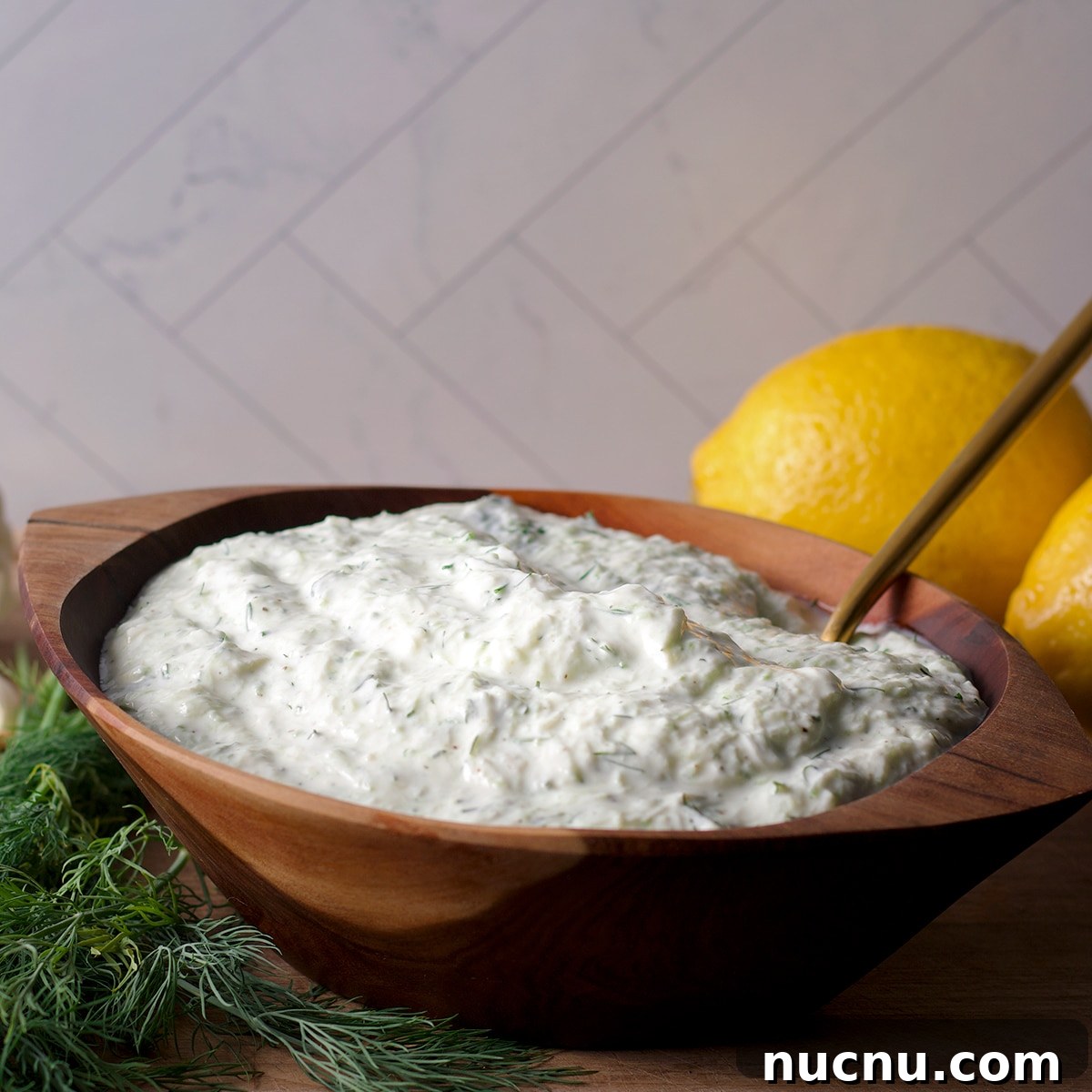
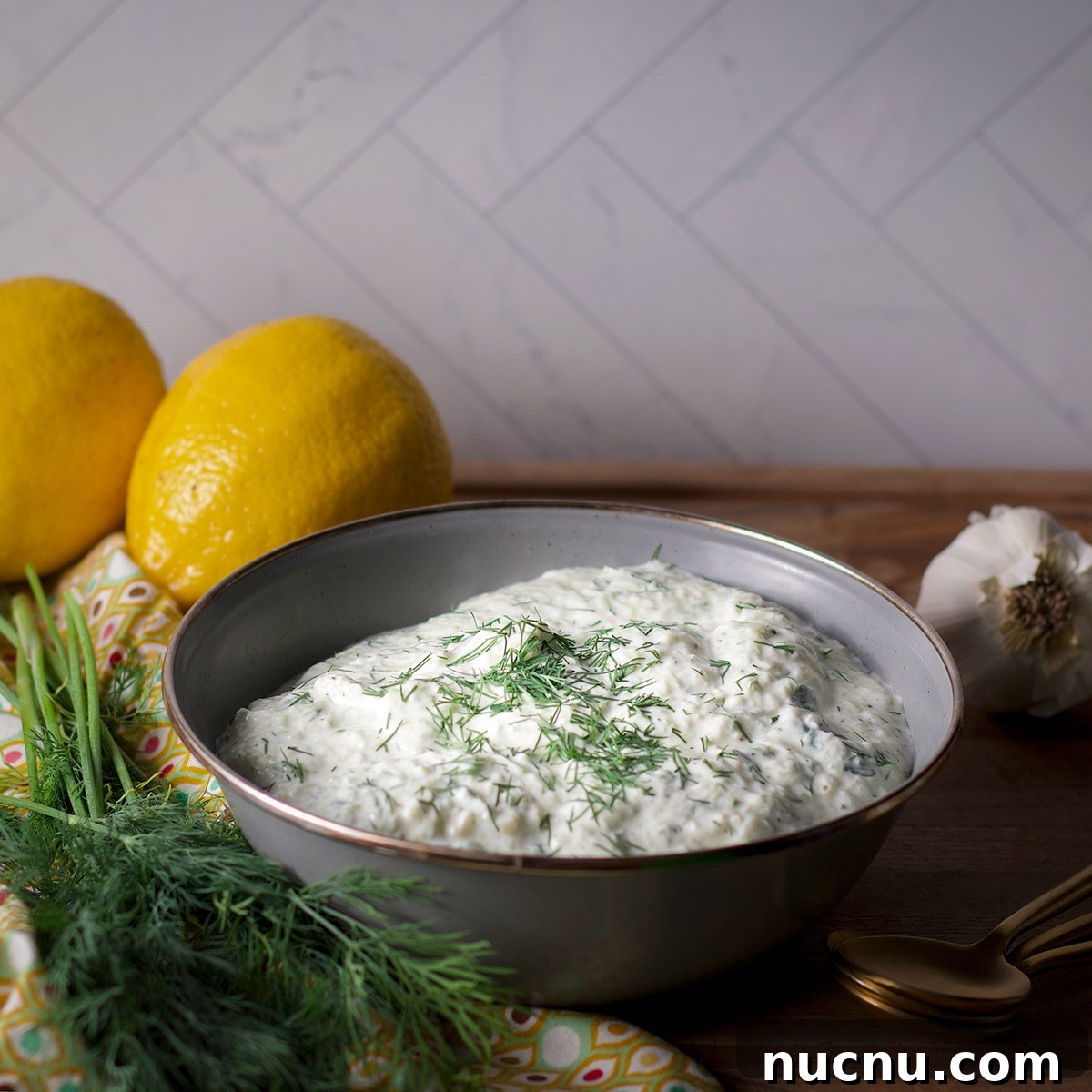
That’s it—your tzatziki is ready. Serve immediately or store in a covered container in the refrigerator for up to three days.
Variations, Substitutions, and Additions
Tzatziki is highly adaptable. Adjust it to the dish you’re serving or to personal preference. Ideas include:
- Za’atar: Stir in raw za’atar or briefly toast it in olive oil first to deepen the flavor.
- Herb swaps: Substitute mint, fennel fronds, or flat-leaf parsley if you don’t care for dill.
- Acid swaps: Use red or white wine vinegar in place of lemon juice if you prefer.
- Chopped nuts: In some regional variations, toasted walnuts add texture—try walnut oil instead of olive oil for a richer profile.
- Extra crunch: Add shredded carrots, diced bell pepper, celery, or sliced radish for texture.
- Dried spices: Sumac, paprika, or Aleppo pepper can be stirred in or briefly warmed in olive oil to release their aroma before adding.
Serving Suggestions
Tzatziki pairs with many cuisines and dishes across Europe and the Middle East. It can also be enjoyed as a chilled soup in some traditions. Try these serving ideas:
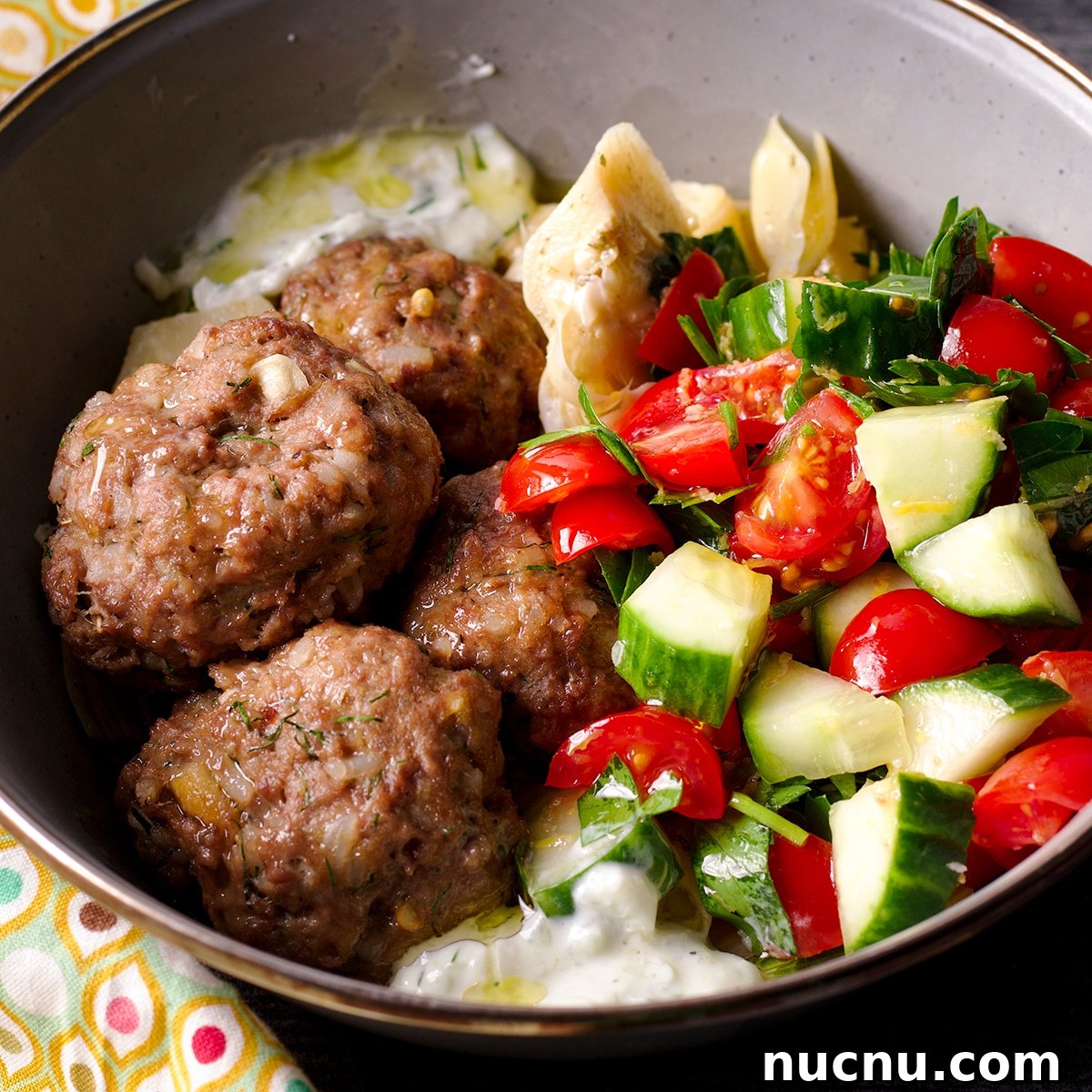
- With Greek meatballs: Spoon tzatziki over sheet-pan or baked meatballs.
- On gyros: Use tzatziki as the classic sauce for pita-wrapped gyros or as a dressing for a gyro-style salad.
- With grilled or roasted meats and seafood: Tzatziki complements a wide variety of proteins.
- With raw or cooked vegetables: Offer it as a dip for crudités or roasted vegetables.
- As a salad dressing: Use tzatziki in place of creamy dressings for grain salads or mixed greens.
- As a dip: Serve with pita chips, crusty bread, or skewers.
- Drizzled over bowls: Add to grain, bean, or vegetable bowls for instant freshness.
- With fries: Use tzatziki instead of ketchup or aioli for a bright, cooling dip.
- On cheese boards or mezze platters: A small bowl of tzatziki is a natural fit.
How to Store Tzatziki Sauce
Both traditional and vegan tzatziki are best within 48 hours, though they will keep for up to 3–4 days in the refrigerator. Store in a sealed container and stir before serving.
Check for off odors to detect spoilage. Discard immediately if you notice any mold or a pungent, sour smell.
Other Popular Dips and Sauces
-
Almond Salsa with Green Chiles
-
Bolognese Sauce {with Bacon and Wine}
-
Chimichurri Sauce
-
Za’atar Labneh with Crispy Garlic



If you try this recipe, consider leaving a comment and rating to share your experience.
📖 Recipe
Traditional or Vegan Tzatziki
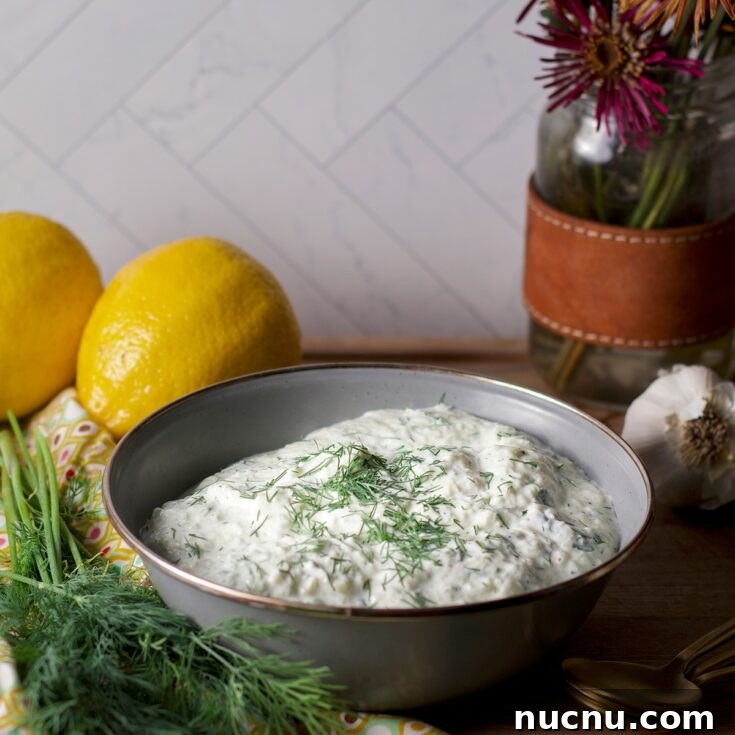
Tzatziki is a fast, tangy, and creamy sauce flavored with garlic, lemon, and herbs. Make it vegan by using a dairy-free Greek-style yogurt.
Serve as a dip, sauce, or dressing to add instant flavor to many dishes.
10 minutes
10 minutes
20 minutes
Ingredients
- I cup grated cucumber (about 2 English cucumbers), squeezed of excess water
- 1 ½ cups (12 ounces / 340 grams) plain Greek yogurt or Greek-style vegan yogurt
- 2 tablespoons (25 grams) extra virgin olive oil
- 3 tablespoons chopped fresh dill, more or less to taste
- 1 ½ tablespoons (21 grams) lemon juice, to taste
- 2 minced garlic cloves, more or less to taste
- ½–1 teaspoon salt, to taste
- ¼ teaspoon black pepper
Instructions
- Measure 1 cup of grated cucumber after squeezing out excess water. This typically requires about 1 lb 4 oz of cucumber (roughly 2 English cucumbers).
- Place the drained cucumber in a medium bowl.
- Add the yogurt, olive oil, dill, lemon juice, garlic, salt, and pepper, and stir to combine.
- Let the tzatziki rest 5–10 minutes to allow flavors to meld. Taste and adjust seasoning if needed.
- Use immediately or store in an airtight container in the refrigerator for up to 3 days.
Notes
Measuring grated cucumber
Grate the cucumber (no need to peel), then squeeze out excess water and pack the drained cucumber into a 1-cup measure. This usually means grating about two English cucumbers.
Best dairy-free yogurt options
Choose a thick, Greek-style dairy-free yogurt for the best texture in vegan tzatziki. Brands made from coconut or almond milk work well—look for a plain, unsweetened variety.
Cucumber choice
Any cucumber will work, but English cucumbers are preferred for milder flavor and smaller seeds.
Nutrition Information:
Serving Size:
¼ cup
Amount Per Serving:
Calories: 52Total Fat: 3gSodium: 121mgCarbohydrates: 3gProtein: 4g