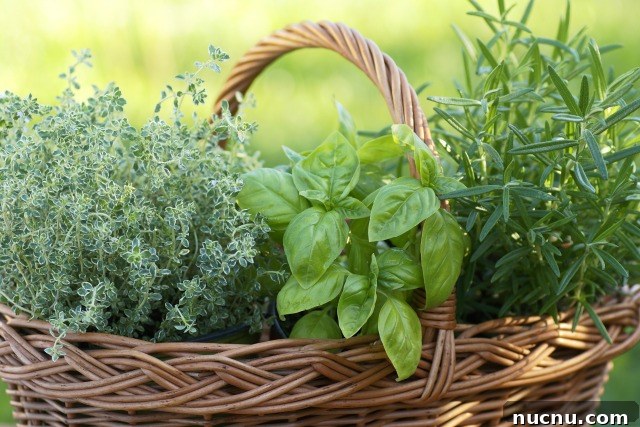
Growing herbs is an easy way to begin gardening and cut grocery costs. Here are eight essential herbs anyone can grow at home.
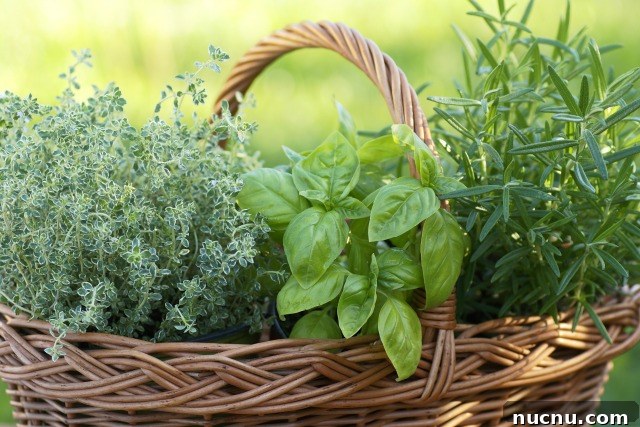
Whether you have a large backyard, a balcony, or just a sunny windowsill, anyone can grow herbs. They are forgiving plants, useful in the kitchen, and a great way to add fresh flavour and nutrients to meals without spending much money.
Fresh herbs elevate wholefood cooking, adding bright taste and health benefits. Yet store-bought herbs are often expensive and perishable, which leads to waste. Growing your own solves those problems: herbs are inexpensive to produce, ready when you need them, and easily harvested in small amounts to avoid spoilage.
Tips for Growing Herbs at Home
You don’t need a garden bed to get started. Herbs thrive in pots, old tins, or vertical planters on a sunny wall. A bright windowsill is perfect for many varieties and makes year-round growing possible in cooler climates.
Start from seed if you enjoy the process, or choose seedlings for a quicker path to harvest—both options work well. Many herbs will self-seed if allowed to flower, giving you free plants season after season.
Indoors, place pots where they receive plenty of light. Outdoors, most herbs prefer a sunny spot and well-draining soil. In general, herbs require minimal fuss: avoid overwatering and overfeeding. Woody Mediterranean herbs such as rosemary and thyme prefer drier, grittier soil and tolerate neglect.
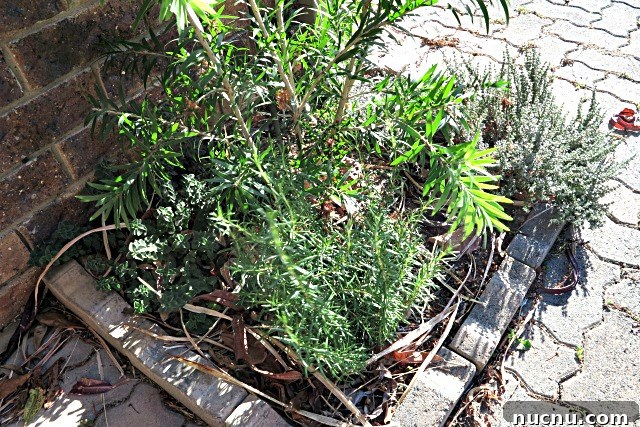
Even poor soil can be improved with a little compost and organic matter. A small makeover can transform a rocky, neglected patch into a thriving herb bed. Some herbs, like rosemary, will tolerate full sun and little water and can form long-lasting hedges or focal plants.
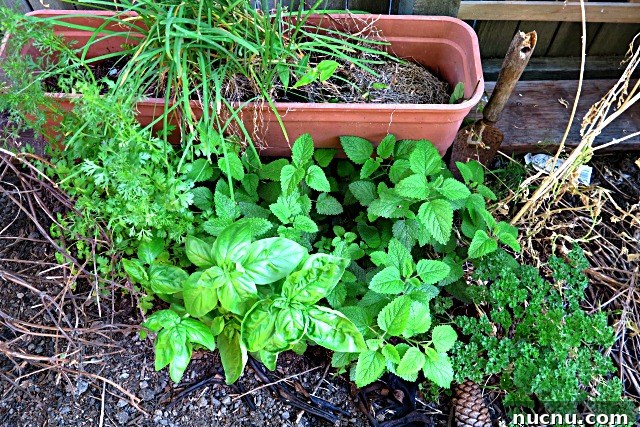
Many common kitchen herbs self-seed and return year after year with minimal care. Mint and basil often reappear enthusiastically, and parsley typically recovers quickly after rain. If you want to limit spread, keep vigorous herbs like mint contained in pots.
8 Essential Herbs to Grow at Home
Here are eight reliable, easy-to-grow herbs that suit a variety of conditions and cuisines. They work equally well in containers, raised beds, or garden borders.
1. Chives
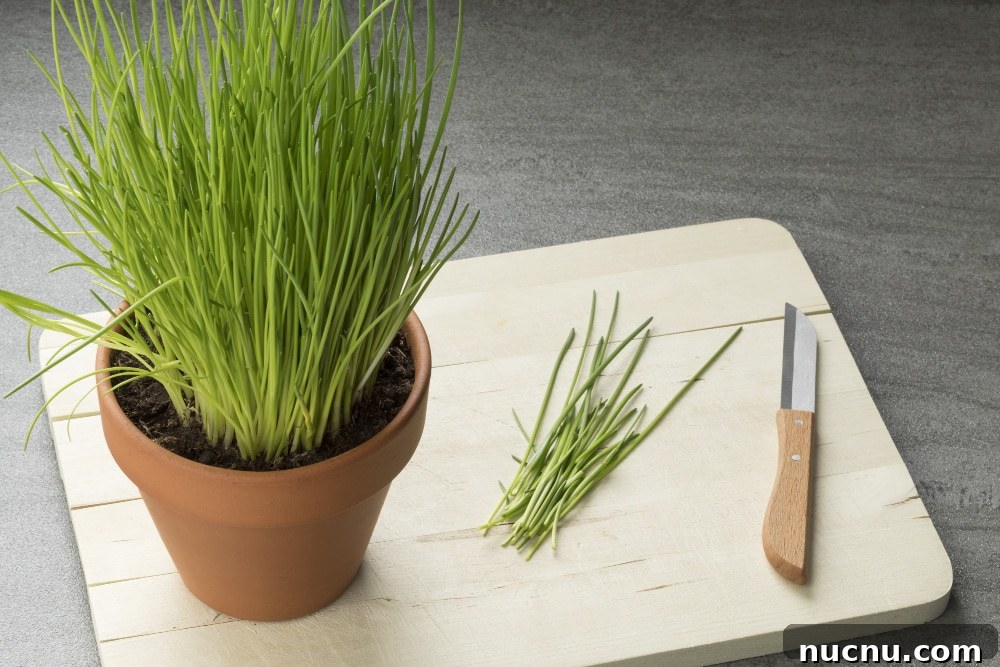
Chives provide a gentle onion-like flavour perfect for salads, scrambled eggs, soups, steamed vegetables, fritters, and as a fresh garnish. They are hardy and long-lived; garlic chives can persist in the same pot for years with little soil or water. Chives die back seasonally but will regrow; dividing clumps every few years refreshes plants and gives you extras to share.
2. Parsley
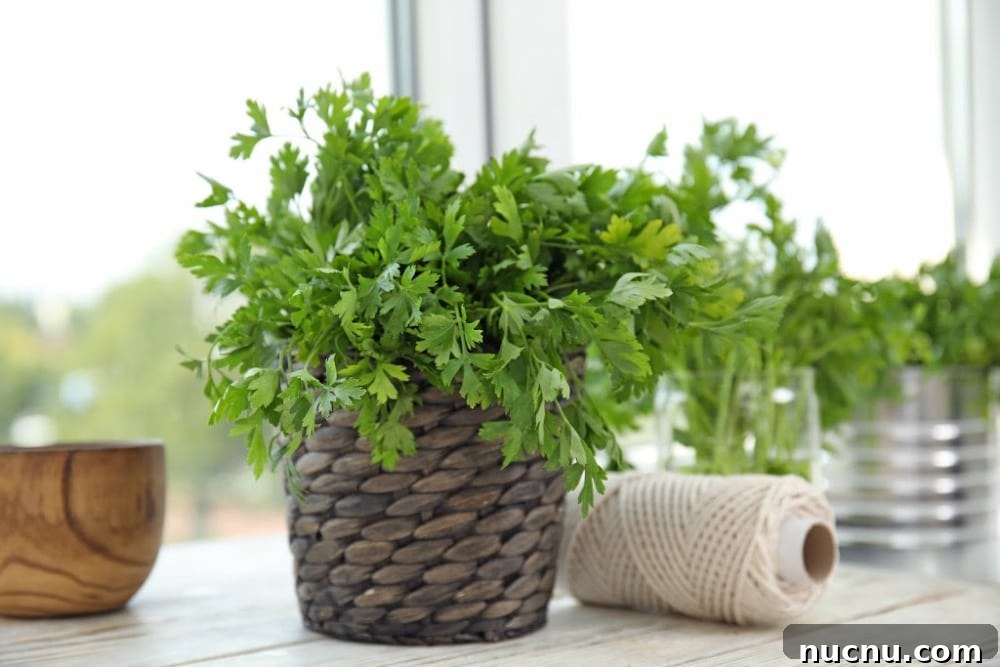
Parsley is versatile and widely used as an ingredient and garnish. Nutrient-dense, it contributes vitamins A, C, K and several B vitamins. Plant either curly or flat-leaf (Italian) parsley; both are useful. Parsley tolerates partial shade and will often self-seed, providing new plants over time.
3. Rosemary
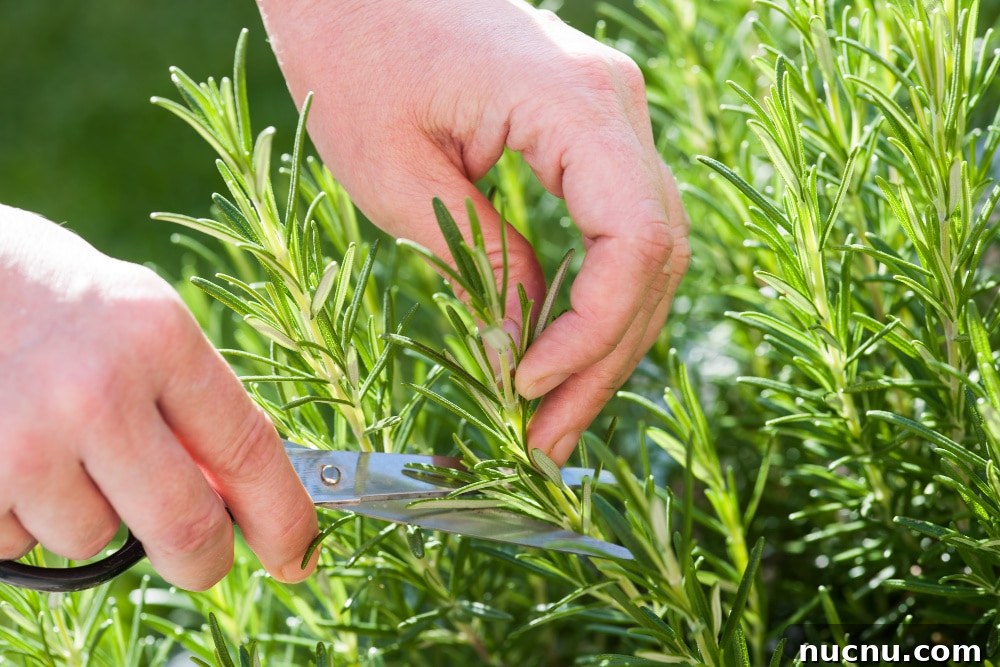
Rosemary is a resilient, fragrant shrub that handles heat and drought well. It can be grown as a large bush, groundcover, or clipped hedge, and also does fine in pots. Harvest year-round once established. Culinary uses include roast lamb, roasted vegetables, sautés and bread. Rosemary is low-maintenance and well-suited to poor, sunny sites.
4. Thyme
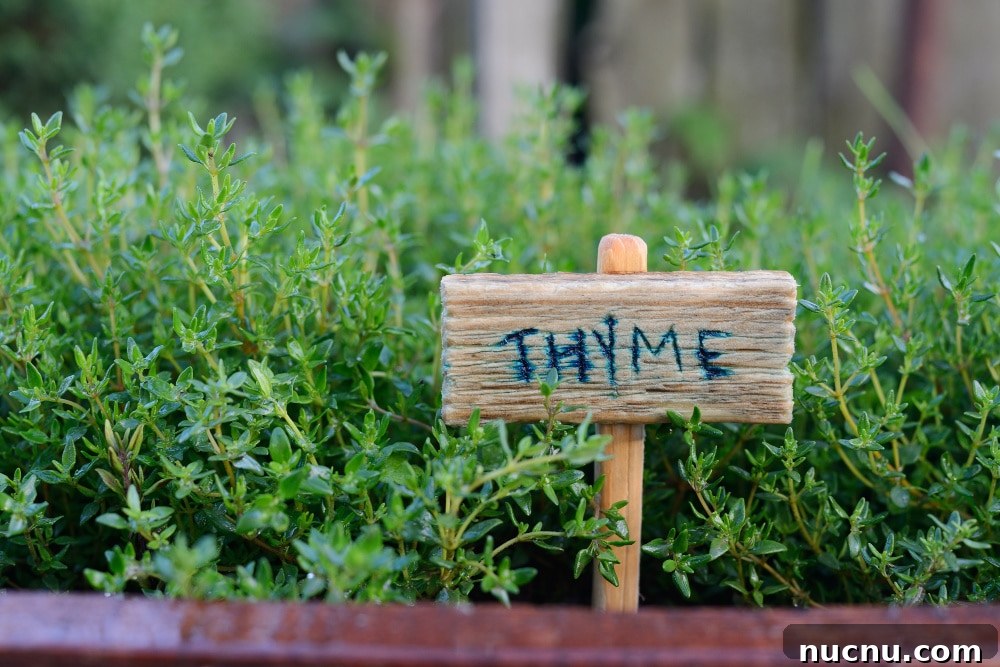
Thyme is another tough Mediterranean herb that prefers full sun and well-draining, gritty soil. Varieties include lemon thyme and groundcover types that tolerate foot traffic. Use whole sprigs in stews and sauces, or strip small leaves into dishes. Thyme is a classic component of bouquet garni and pairs well with many savory recipes.
5. Basil
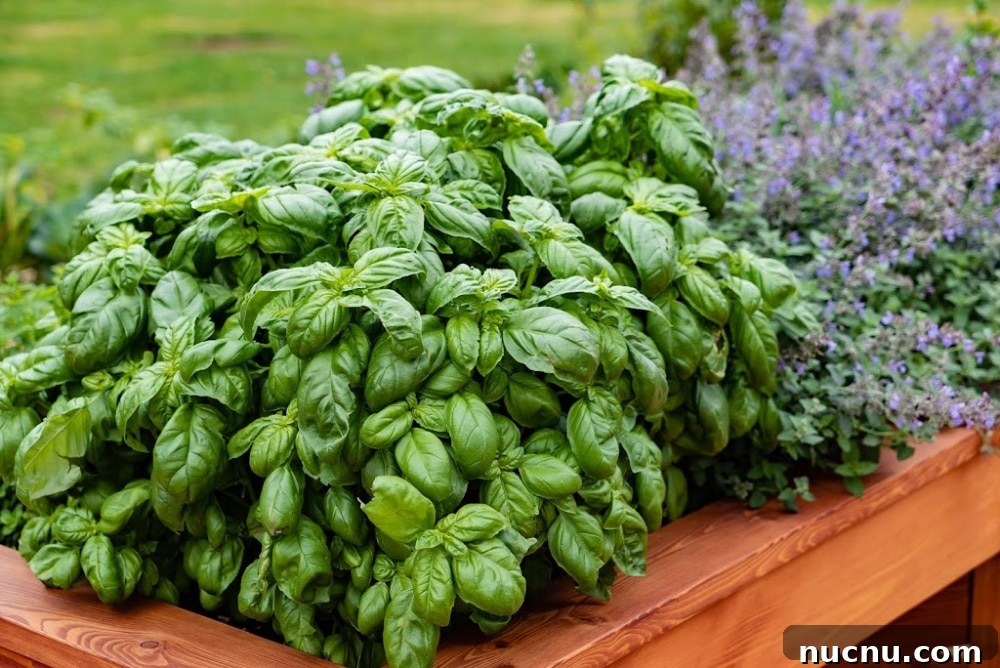
Basil thrives in warm, sunny conditions and is often grown as an annual in cooler climates. It loves rich soil and regular moisture. Letting a few plants go to seed will produce the next generation of seedlings. Use basil fresh for pesto, salads, pizzas and pasta—add it at the end of cooking to preserve its bright flavour.
6. Oregano
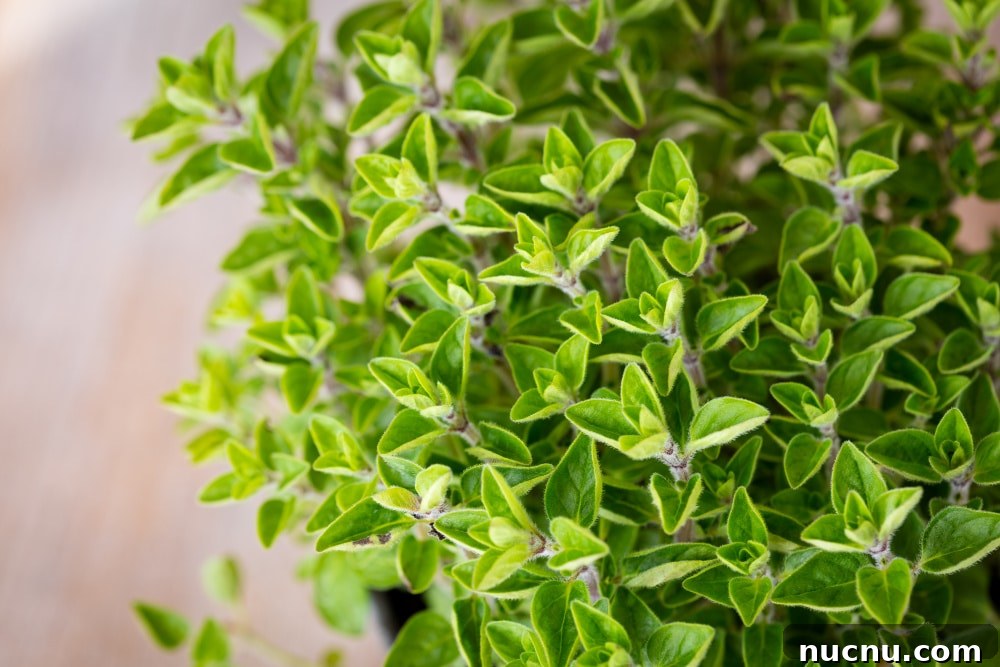
Oregano is a perennial that’s indispensable for Mediterranean and Mexican dishes. It prefers full sun and well-draining soil, and responds well to regular pruning to keep it bushy. Use it in pizza sauce, tacos, soups and casseroles—the dried flavour is especially robust but fresh leaves are excellent too.
7. Mint
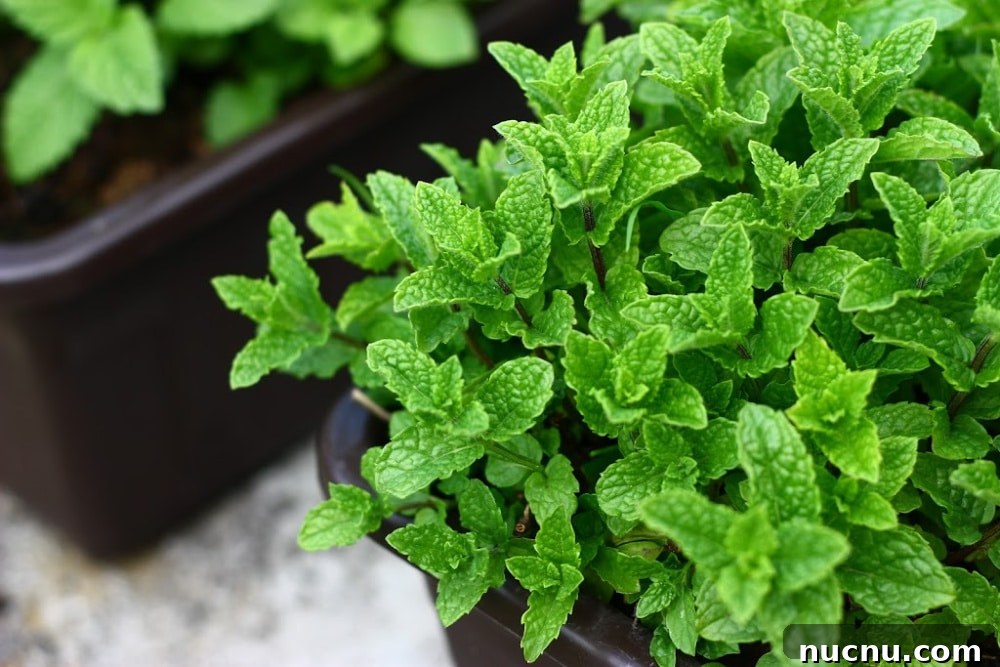
Mint is vigorous and persistent; once planted it often returns year after year and spreads readily. It tolerates shade and poor spots where little else will grow, but can become invasive if left unchecked—contain it in pots if you want to control spread. Mint enjoys regular moisture and is great in drinks, salads, sauces, steamed vegetables, mint sauce for roast lamb, or brewed as tea.
8. Wildcard: Grow Your Favourite Herb
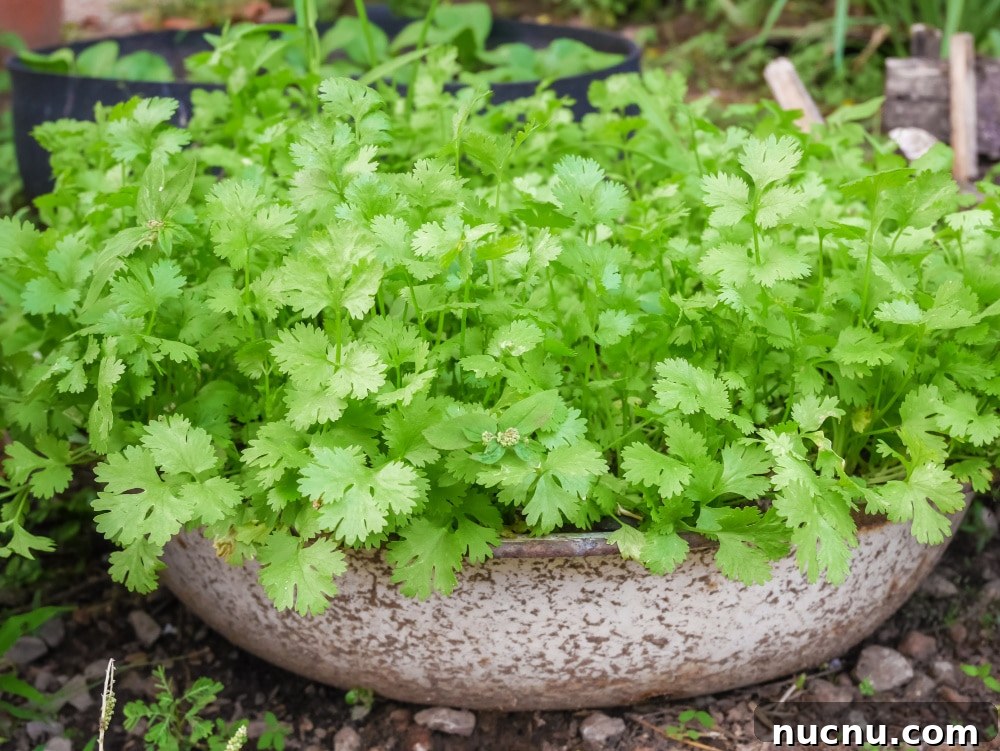
Beyond these eight, many other herbs are worth growing depending on your cuisine and climate. Coriander (cilantro) is great for Asian, Mexican and Middle Eastern dishes. Sage, dill, tarragon, and stevia each have culinary and sometimes medicinal uses. In subtropical regions, lemongrass, ginger and turmeric can be both attractive and practical. Fenugreek is common in South Asian cooking, and bay, curry bush or a small citrus-scented herb may suit your tastes.
No matter your space or experience level, you can grow a few herbs to enhance everyday meals. Homegrown herbs are economical, flavoursome and nutritious—adding freshness and depth to simple cooking and making ordinary meals feel special.
You might also like:
- Building a raised garden bed
- How to make super-fast compost
- Lazy gardening with self-seeding